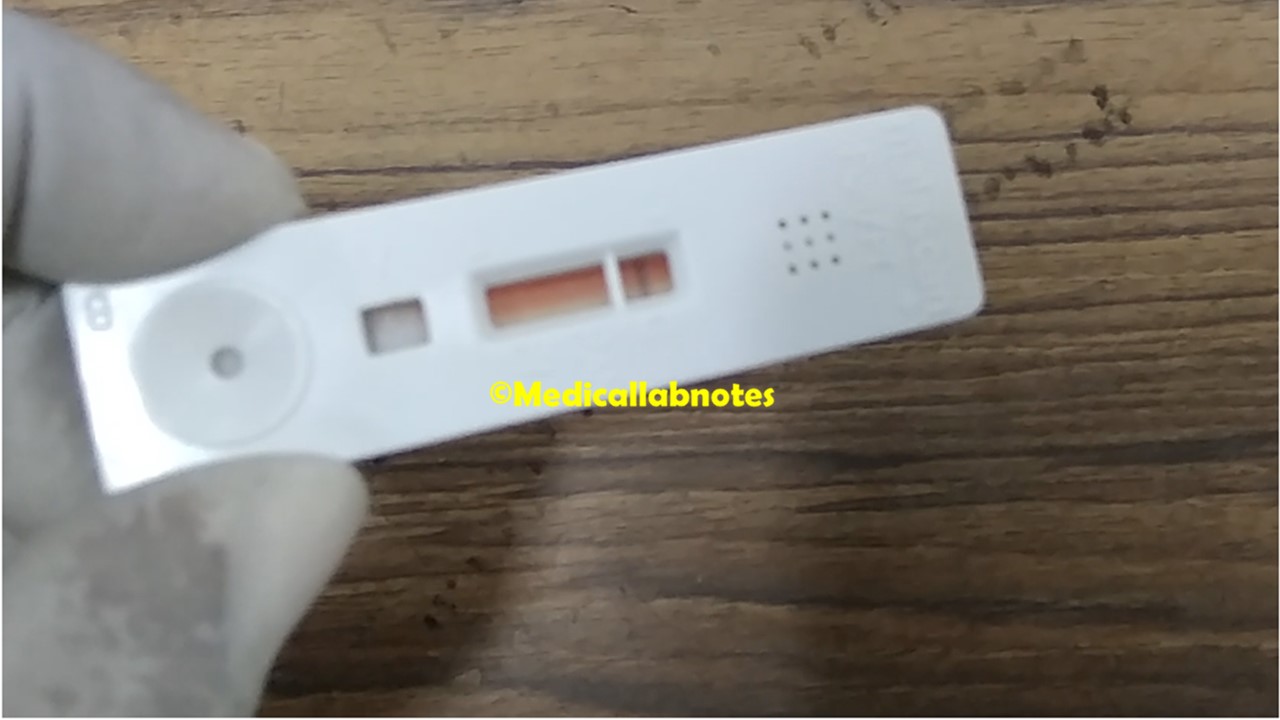
Fever Panel Test-Introduction, Test Result, Unit, Normal Range, Test Method, Clinical Significance, and Keynotes
Table of Contents
The Fever Panel Test is a comprehensive diagnostic technique designed to identify the root cause of fever. Moreover, it combines multiple tests into a single panel for efficient detection of ecological agents/pathogens. Furthermore, this assay evaluates bacterial, viral, and parasitic infections contributing to fever symptoms. Besides, it provides rapid results, aiding early diagnosis and timely treatment. Notably, the test finds common fever-causing agents like malaria, typhoid, and dengue. Besides, it helps healthcare providers make informed decisions for better patient treatment. Hence, it is mandatory for managing infectious diseases effectively. Moreover, this panel minimizes diagnostic delays in critical situations. Consequently, it assists improve clinical outcomes for patients.
The Fever Panel Test holds immense clinical significance in diagnosing fever-related illnesses promptly and accurately. Moreover, it aids in identifying multiple pathogens simultaneously, streamlining the diagnostic process. Furthermore, this test supports early detection of life-threatening conditions like malaria, dengue, and typhoid fever. In addition, it helps clinicians initiate targeted treatment plans based on specific pathogen identification. Consequently, it reduces the risk of complications caused by delayed or inappropriate treatment. Besides, the test ensures better patient management by providing reliable and timely results. Therefore, it plays a crucial role in managing infectious diseases effectively. Moreover, the this panel test enhances diagnostic precision, preventing unnecessary treatments or further investigations.
The Fever Panel Test is a vital diagnostic tool for identifying fever-related infections with accuracy. Moreover, it combines multiple diagnostic tests into one panel for efficiency. Furthermore, it detects bacterial, viral, and parasitic pathogens causing fever symptoms. In addition, the test provides rapid results, aiding timely medical intervention. Consequently, it minimizes delays in initiating appropriate treatment. Besides, the test is essential for detecting life-threatening infections like malaria, typhoid, and dengue. Therefore, it supports clinicians in delivering targeted and effective patient care. Moreover, it reduces unnecessary investigations and improves overall diagnostic efficiency.
Introduction Klebsiella aerogenes (formerly known as Enterobacter aerogenes) is a Gram-negative, rod-shaped, motile bacterium belonging…
Introduction and Taxonomy Staphylococcus pseudintermedius is a major veterinary pathogen that serves as a primary…
Introduction 0.5 ng/µL of DNA is detectable and can yield a positive result by PCR.…
Introduction The Quick-DNA™ Fungal/Bacterial Miniprep Kit is designed for the simple and rapid extraction of…
Introduction Kocuria rosea is a Gram-positive, aerobic coccus belonging to the family Micrococcaceae. Formerly classified…
Introduction Taxonomy: Belongs to the kingdom Fungi, phylum Ascomycota, and family Herpotrichiellaceae. Synonyms: Cladophialophora bantiana…