Streptococcus mitis: Introduction, Morphology, Pathogenicity, Lab Diagnosis, Treatment, Prevention, and Keynotes

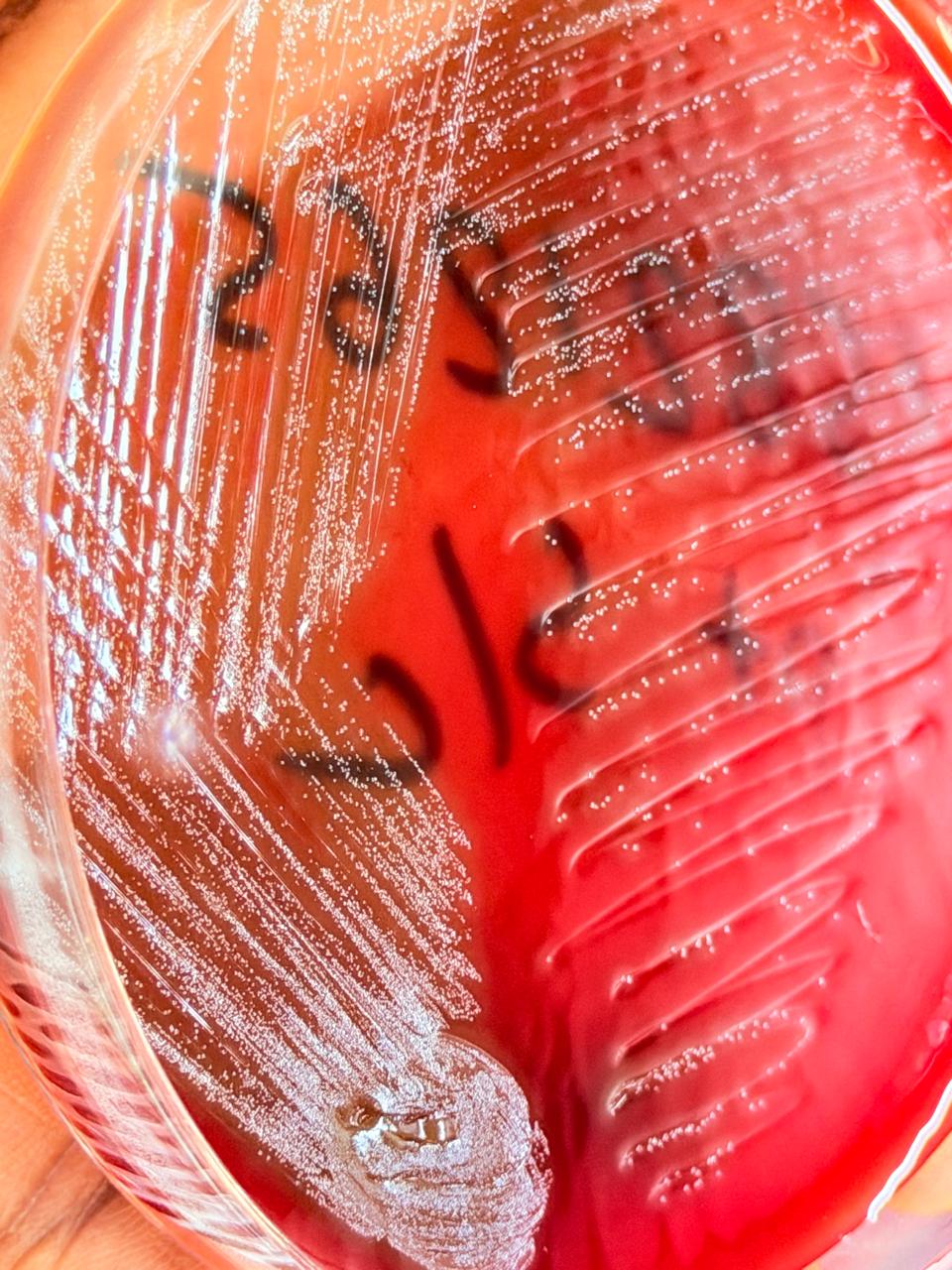
Streptococcus mitis colony morphology on blood agar

Introduction Streptococcus mitis is a Gram-positive, alpha-hemolytic bacterium commonly found as a harmless commensal in the human oral cavity, but it can act as an opportunistic pathogen causing severe infections like infective endocarditis. Morphology Pathogenicity Lab Diagnosis Treatment Prevention Keynotes Further Reading

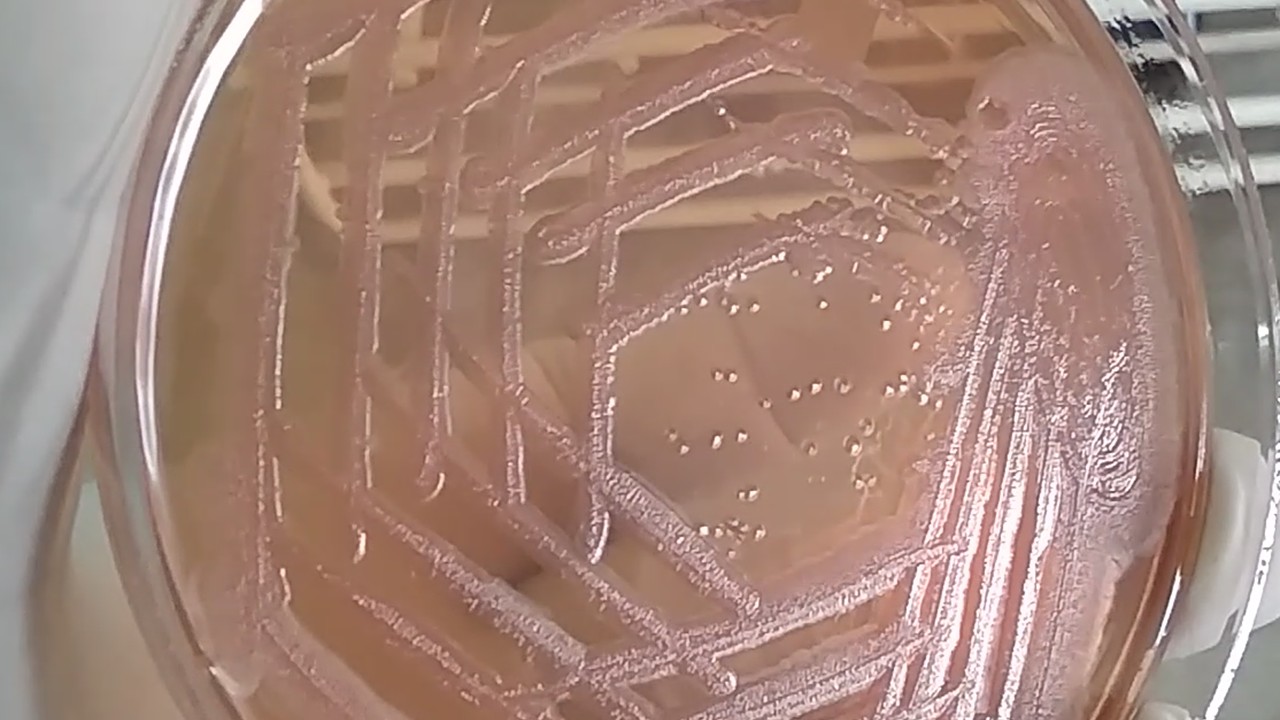
Sphingomonas paucimobilis-Introduction, Morphology, Pathogenicity, Lab Diagnosis, Treatment, Prevention, and Keynotes

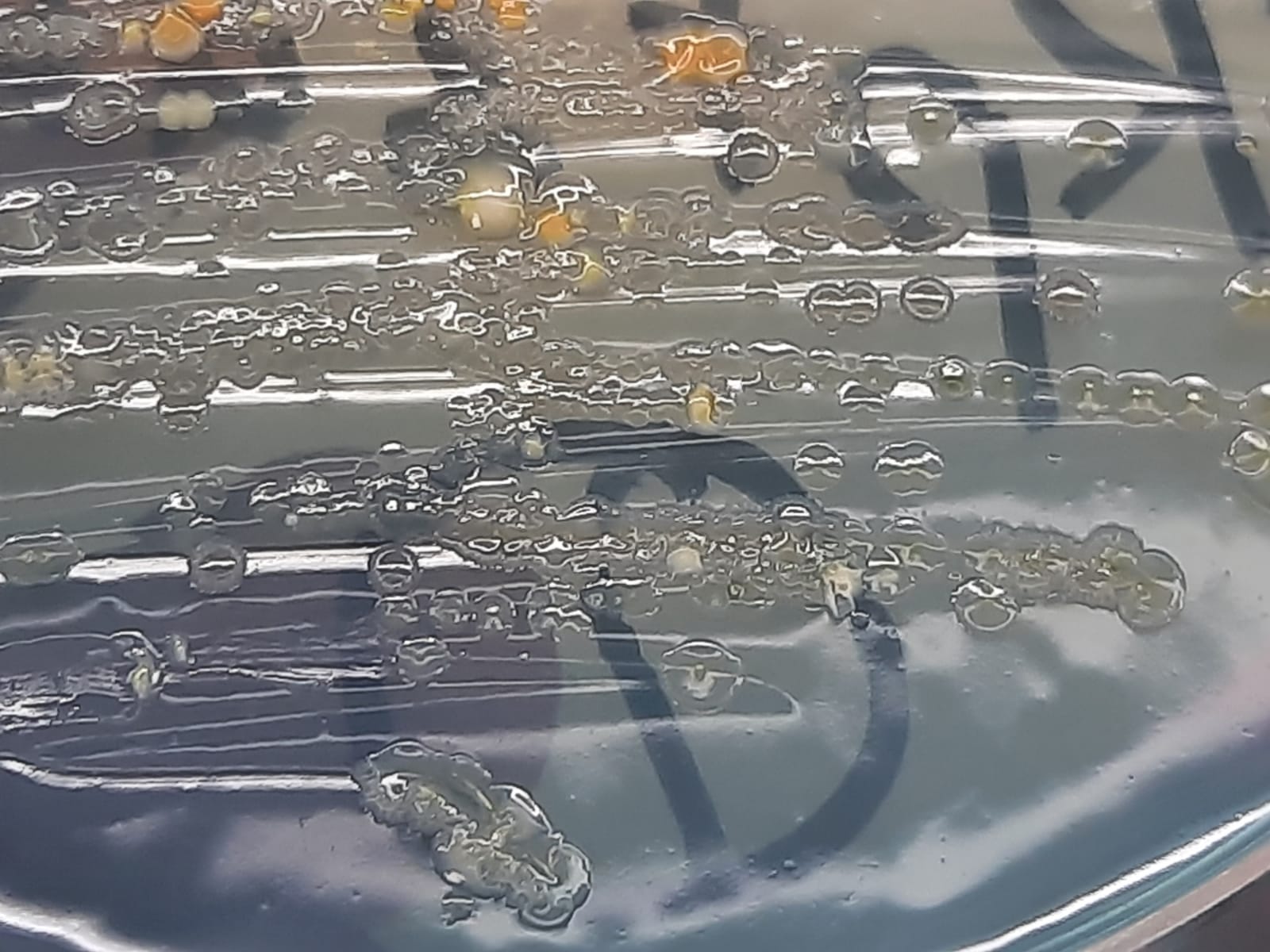
Sphingomonas paucimobilis colony morphology on CLED agar

Introduction Sphingomonas paucimobilis (formerly classified as Pseudomonas paucimobilis) is a strictly aerobic, non-fermenting, Gram-negative bacillus. It is an environmental oligotroph found widely in soil and water systems. It serves as a stealthy opportunistic pathogen in clinical settings. It can survive in nutrient-poor conditions and form …

Read more

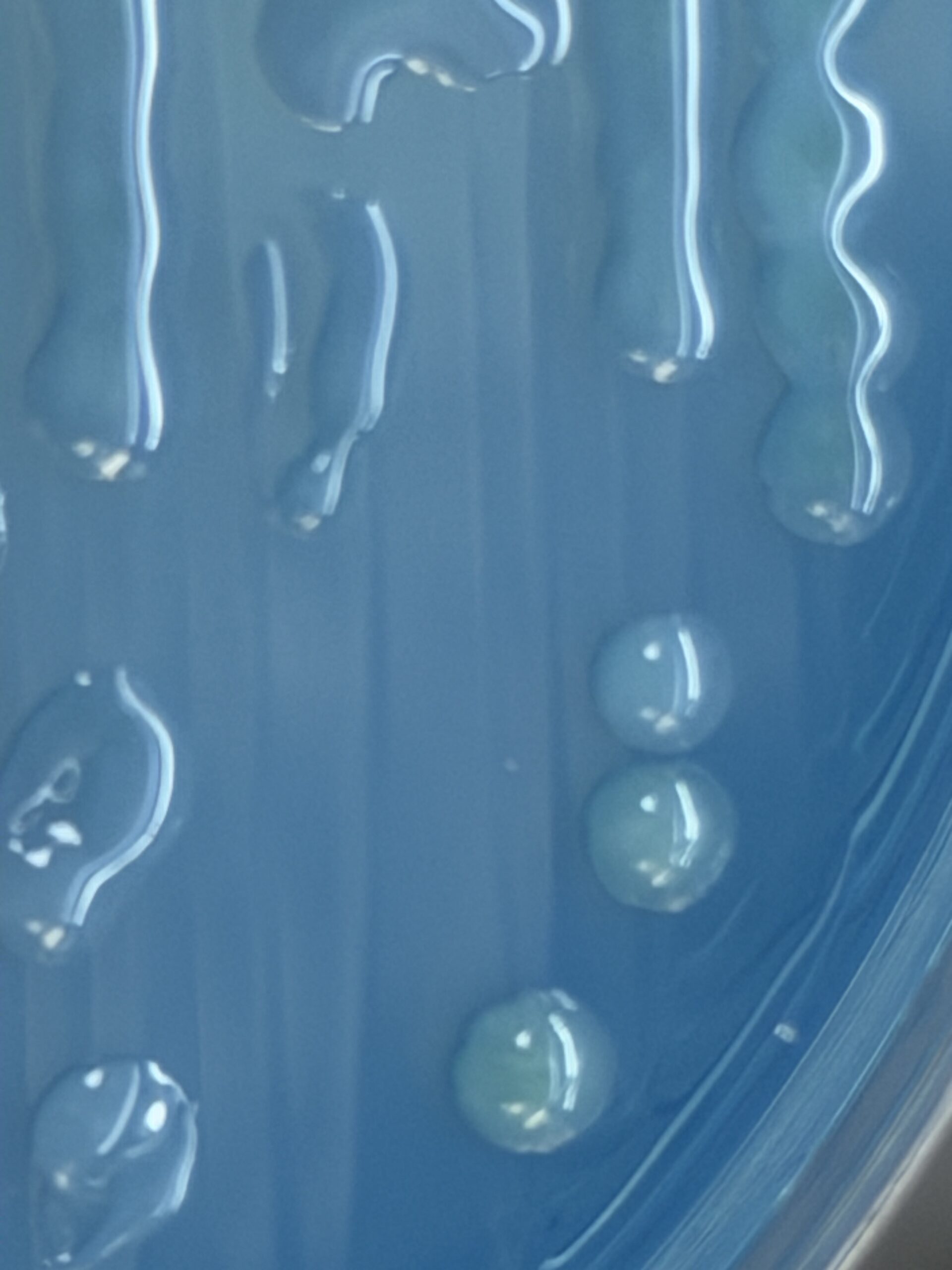
Alcaligenes faecalis: Introduction, Morphology, Pathogenicity, Lab Diagnosis, Treatment, Prevention, and Keynotes

Alcaligenes faecalis growth on MacConkey agar

Introduction Alcaligenes faecalis is a Gram-negative, aerobic, rod-shaped bacterium primarily found in water and soil, but also as a commensal in the human intestinal tract. While it is generally nonpathogenic, it is a significant opportunistic pathogen, particularly in hospital settings where it thrives in moist …

Read more

Acinetobacter haemolyticus-Introduction, Morphology, Pathogenicity, Lab Diagnosis, Treatment, Prevention, and Keynotes

Acinetobacter haemolyticus growth on CLED agar

Introduction Acinetobacter haemolyticus is an aerobic, non-fermenting bacterium found in nature and hospital environments. It belongs to the Acinetobacter genus, frequently causing healthcare-associated infections. It is generally considered less virulent than Acinetobacter baumannii but is increasingly recognized in human infections.  Morphology Pathogenicity Lab Diagnosis Treatment Prevention Keynotes Further Readings

Aerococcus viridans: Introduction, Morphology, Pathogenicity, Lab Diagnosis, Treatment, Prevention, and Keynotes

Aerococcus viridans in Gram staining of culture

Introduction Aerococcus viridans is a gram-positive coccus that rarely infects humans. It usually inhabits hospital environments. Moreover, it exists in air and water. It causes urinary tract infections, endocarditis, and bacteremia. Additionally, it appears in various clinical specimens. Furthermore, laboratories sometimes misidentify it as viridans …

Read more

Proteus penneri– Introduction, Morphology, Pathogenicity, Lab Diagnosis, Treatment, Prevention, and Keynote
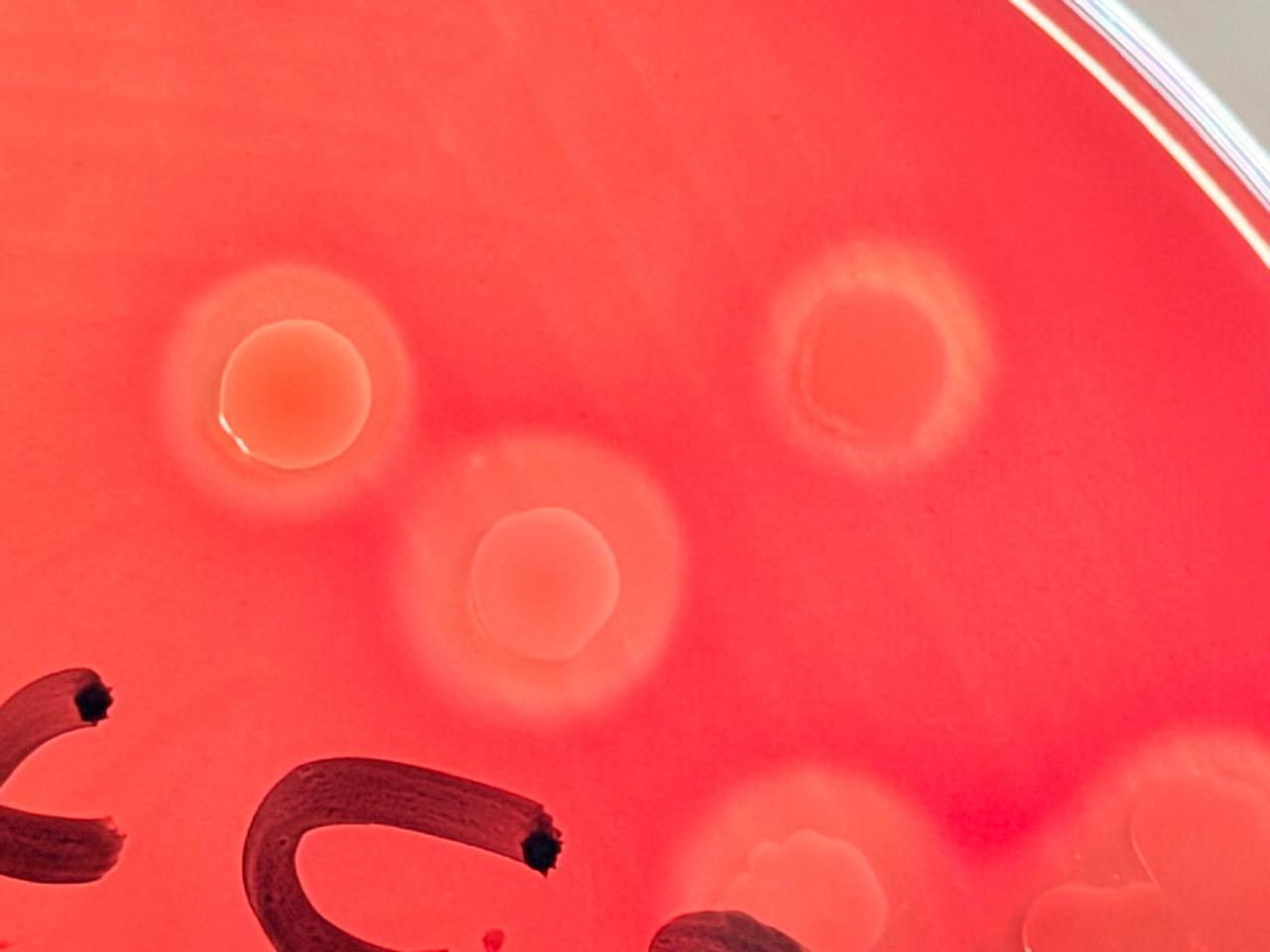
Proteus penneri growth on CLED agar

Introduction Proteus penneri is a Gram-negative bacterium found in various environments, including water and soil. It belongs to the family Enterobacteriaceae, sharing characteristics with other Proteus species. However, it differs from its relatives, like Proteus mirabilis, in its biochemical properties. This species can cause infections …

Read more

Gemella morbillorum-Introduction, Morphology, Pathogenicity, Lab Diagnosis, Treatment, Prevention, and Keynotes

Gemella morbillorum in Gram staining of culture microscopy

Introduction Gemella morbillorum is a gram-positive bacterium, typically found in the human mouth, throat, and respiratory tract. It occasionally causes infections, particularly in immunocompromised individuals or those with underlying health conditions. Common infections include endocarditis, bacteremia, and abscesses. Notably, it can lead to serious complications …

Read more

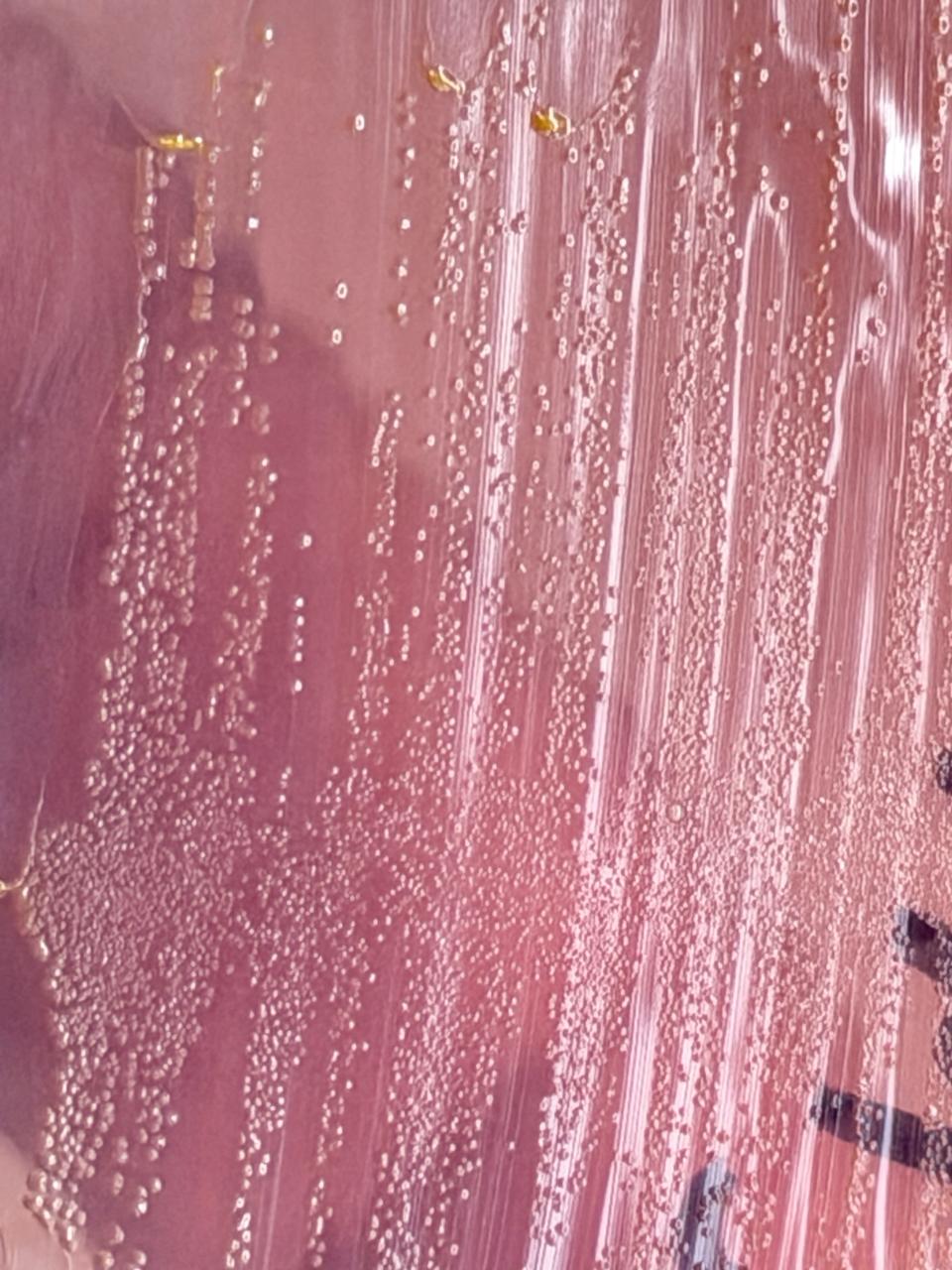
Streptococcus sanguinis-Introduction, Morphology, Pathogenicity, Lab Diagnosis, Treatment, Prevention, and Keynotes

Streptococcus sanguinis colony morphology on blood agar of urine culture

Introduction Streptococcus sanguinis is a Gram-positive bacterium belonging to the Streptococcaceae family. It is a commensal bacterium commonly found in the human oral cavity and is part of the normal oral microbiota. While it generally coexists peacefully with its host, S. sanguinis can also play …

Read more