HiCrome Candida Differential Agar: Introduction, Principle, Test Requirement, Procedure, Result-Interpretation, and Keynotes

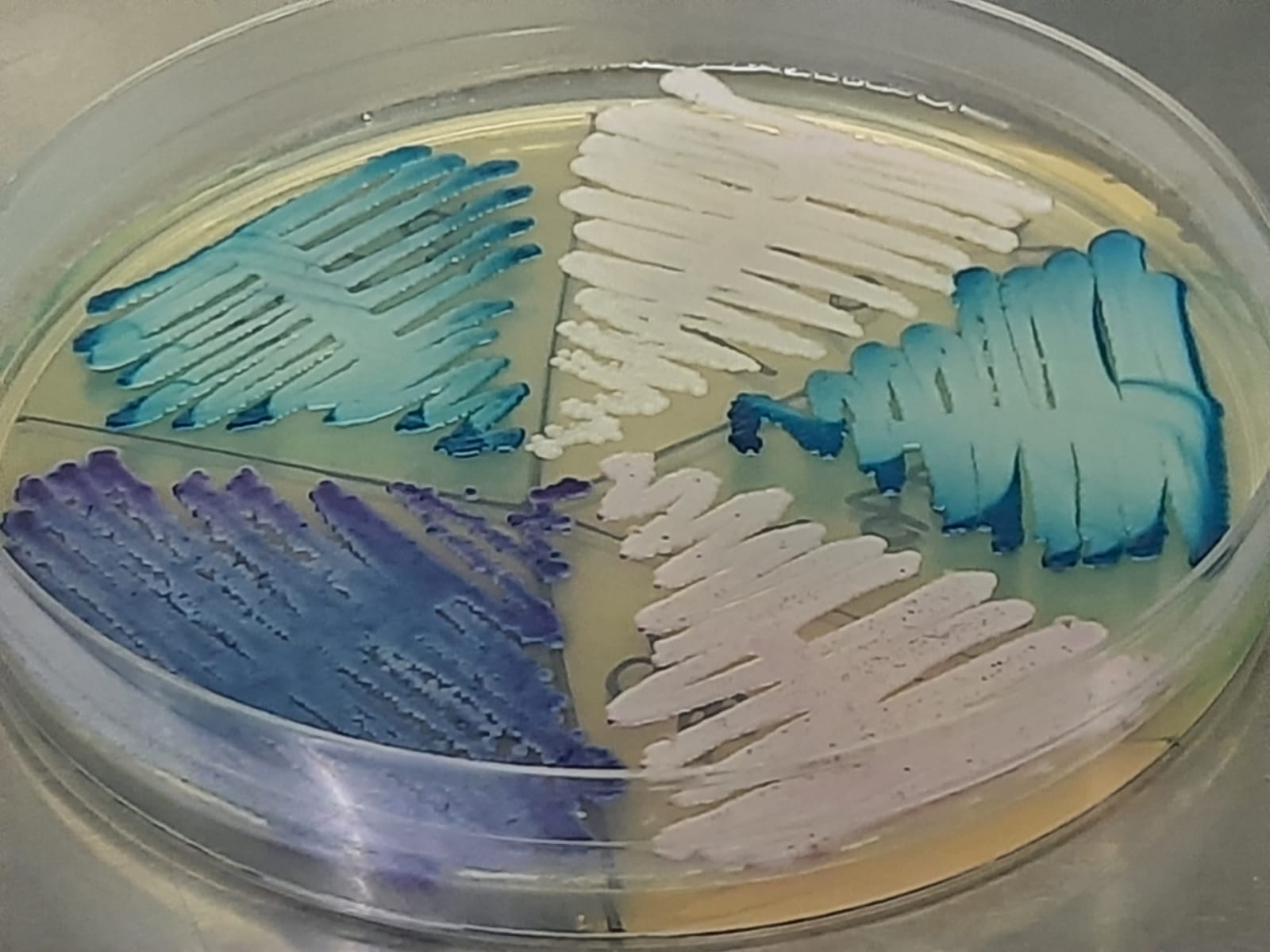
Various Candida species growth on HiCrome Candida Differential Agar after 4 days of incubation

Introduction HiCrome™ Candida Differential Agar is a specialized chromogenic medium used in clinical microbiology for the rapid isolation and presumptive identification of Candida species. The medium is designed to differentiate between major Candida species—Candida albicans, Candida tropicalis, Candida krusei (Pichia kudriavzevii), and Candida glabrata—based on colony color and morphology within 48 hours. …

Read more

Rothia kristinae: Introduction, Pathogenicity, Lab Diagnosis, Treatment, Prevention, and Keynotes

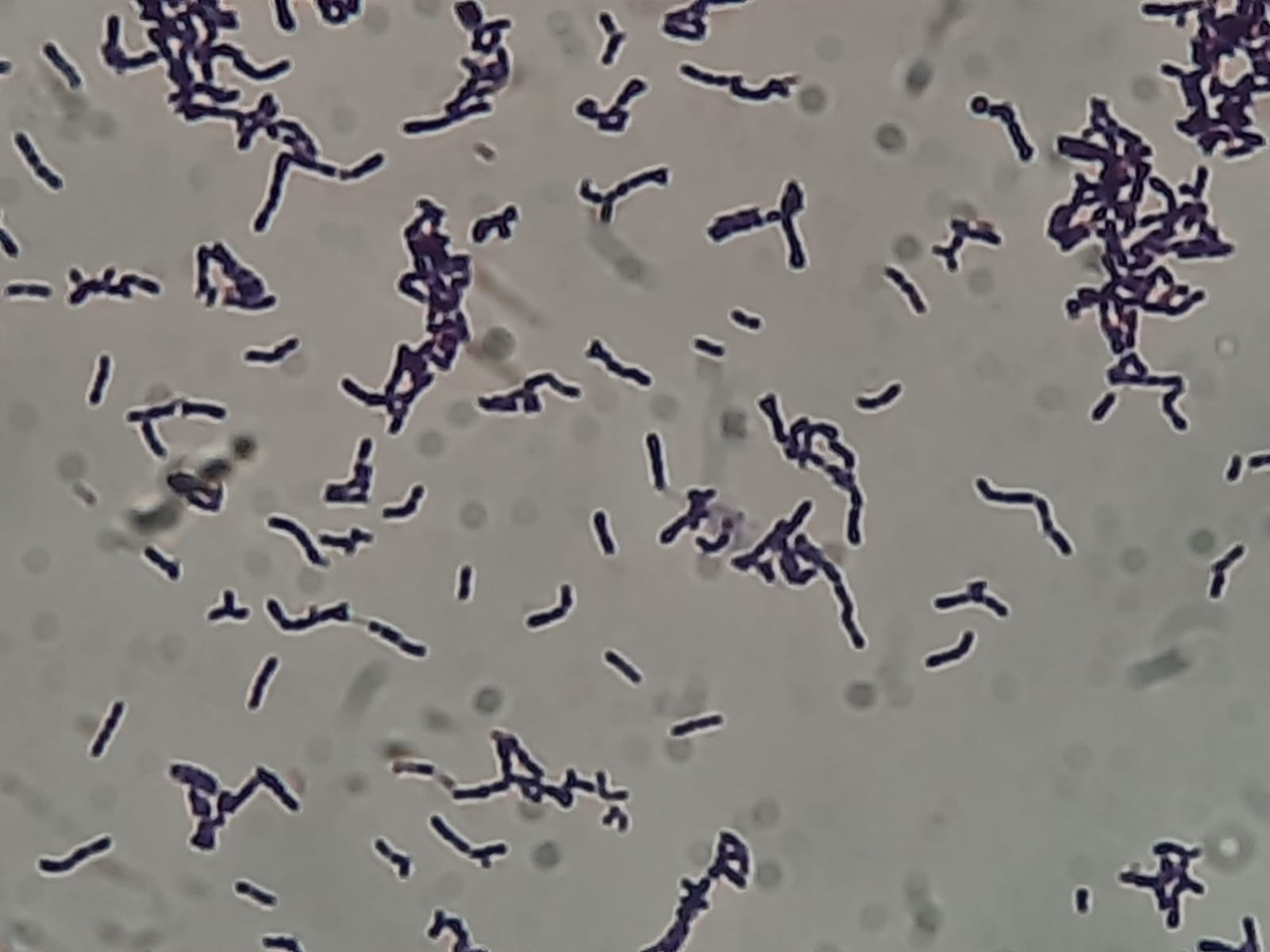
R. kristinae in Gram-stained culture microscopy shows irregular, pleomorphic Gram-positive bacilli, ranging from short rods to e

Introduction Pathogenicity While typically considered a low-grade commensal, it causes serious infections primarily in immunocompromised patients or those with indwelling medical devices.  Lab Diagnosis Treatment There are no official clinical breakpoints, so treatment is often guided by expert consultation and raw Minimum Inhibitory Concentration (MIC) values.  Prevention Keynotes …

Read more

Serpentine Cord: Introdction, Clinical Significance, and Keynotes

Serpentine cord or Cord factor or Trehalose dimycolate,TDM of Mycobacterium tuberculosis complex (MTBC) in Ziehl-Neelsen Staining of modified Middlebrook 7H9 Broth at a magnification of 1600X

Introduction Clinical Significance Keynotes Further Readings

Fungal Culture of Clinical Samples: Introduction, Principle, Clinical Significance, and Keynotes

Body fluid and sputum for culture

Introduction Fungal culture is the gold standard method for the detection and identification of pathogenic fungi in clinical microbiology. It is essential for diagnosing superficial, subcutaneous, and systemic mycoses. Clinical specimens such as blood, sputum, bronchoalveolar lavage (BAL), urine, cerebrospinal fluid (CSF), skin scrapings, nail …

Read more

Fungal Identification by Artificial Intelligence (AI): Introduction, Working Mechanisms, Clinical Significance, and Keynotes

Yeast and mold growth on SDA agar

Introduction Fungal infections represent a growing concern in both immunocompromised and immunocompetent individuals. Conventional identification methods, including culture, microscopy, and biochemical testing, often require several days and may lack sensitivity or specificity for certain opportunistic fungi. Molecular techniques such as PCR and sequencing have improved …

Read more

Comparative Microscopy of Candida Species: Introduction, Table, and Keynotes

Chlamydospores of Candida albicans found in direct clinical sample(sputum) KOH mount Microscopy (Mag.1600X)

Introduction The genus Candida comprises a diverse group of opportunistic yeasts frequently isolated from human clinical specimens. Among them, Candida albicans remains the most common cause of infections; however, non-albicans Candida species, such as C. tropicalis, C. glabrata, and C. krusei, are increasingly recognized as important pathogens in immunocompromised patients, …

Read more

Penicillium vs Paecilomyces: Introduction, Detailed Comparison, Pathogenicity, Lab Diagnosis, Treatment, Prevention, and Keynotes

Penicillium typical structure in LPCB preparation

Introduction of Penicillium vs Paecilomyces Penicillium is a ubiquitous, saprophytic mold found in soil, air, and decaying organic matter. Known for producing the first antibiotic, penicillin, it is typically non-pathogenic but occasionally causes opportunistic infections in immunocompromised hosts. Paecilomyces (especially P. lilacinus and P. variotii) …

Read more

Candida albicans vs. Candida dubliniensis: Introduction, Differences, and Keynotes

Candida albicans growth on Sabouraud dextrose agar (SDA)

Introduction of Candida albicans vs. Candida dubliniensis Both Candida albicans and Candida dubliniensis are closely related yeast species belonging to the genus Candida.They share similar morphological features but differ in pathogenicity, epidemiology, and phenotypic characteristics. Differences Between C. albicans and C. dubliniensis Feature Candida albicans …

Read more