Acinetobacter haemolyticus-Introduction, Morphology, Pathogenicity, Lab Diagnosis, Treatment, Prevention, and Keynotes
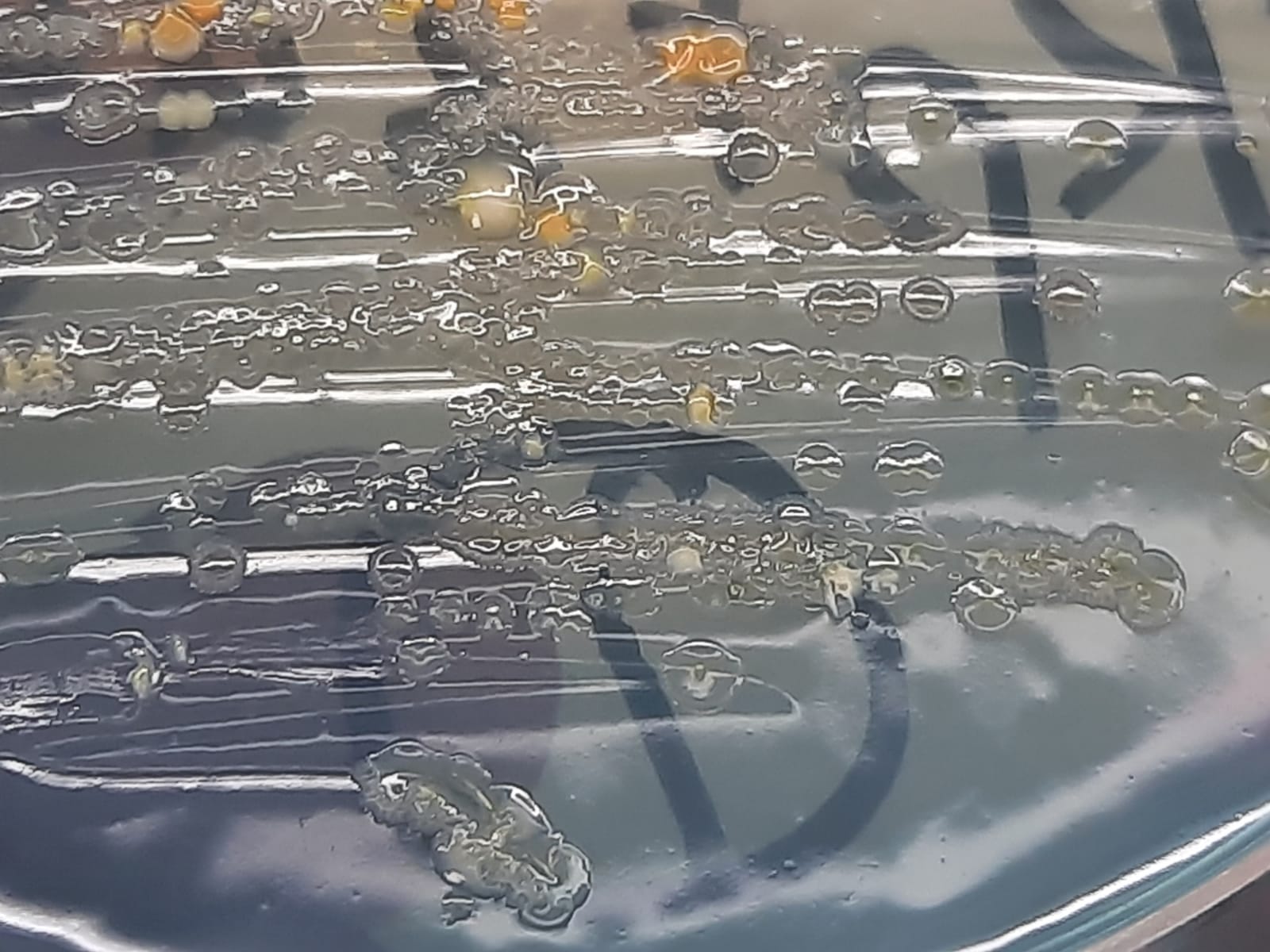
Acinetobacter haemolyticus growth on CLED agar

Introduction Acinetobacter haemolyticus is an aerobic, non-fermenting bacterium found in nature and hospital environments. It belongs to the Acinetobacter genus, frequently causing healthcare-associated infections. It is generally considered less virulent than Acinetobacter baumannii but is increasingly recognized in human infections.  Morphology Pathogenicity Lab Diagnosis Treatment Prevention Keynotes Further Readings

Lactococcus garvieae: Introduction, Pathogenicity, Lab Diagnosis, Treatment, Prevention, and Keynotes

Gram positive cocci of Lactococcus garvieae in Gram staining of repeated culture at a magnification of 4000X

Introduction Lactococcus garvieae is a Gram-positive, catalase-negative, non-spore-forming coccus, typically arranged in pairs or short chains. It belongs to the lactic acid bacteria group and is well known as a major pathogen in fish (lactococcosis). In humans, it is an emerging opportunistic pathogen, increasingly recognized …

Read more

Aerococcus viridans: Introduction, Morphology, Pathogenicity, Lab Diagnosis, Treatment, Prevention, and Keynotes

Aerococcus viridans in Gram staining of culture

Introduction Aerococcus viridans is a gram-positive coccus that rarely infects humans. It usually inhabits hospital environments. Moreover, it exists in air and water. It causes urinary tract infections, endocarditis, and bacteremia. Additionally, it appears in various clinical specimens. Furthermore, laboratories sometimes misidentify it as viridans …

Read more

Raoultella ornithinolytica: Introduction, Morphology, Pathogenicity, Lab Diagnosis, Treatment, Prevention, and Keynotes

Routella ornithinolytica lactose fermenting colony on MacConkey agar

Introduction Raoultella ornithinolytica is a Gram-negative, encapsulated, non-motile, rod-shaped bacterium belonging to the family Enterobacteriaceae. Originally classified under the genus Klebsiella, it has been reclassified due to its distinct biochemical properties, including the ability to metabolize ornithine. This bacterium is commonly found in water, soil, …

Read more