Blood Culture–Positive Yeasts: Introduction, Common molds, Comparison, and Keynotes

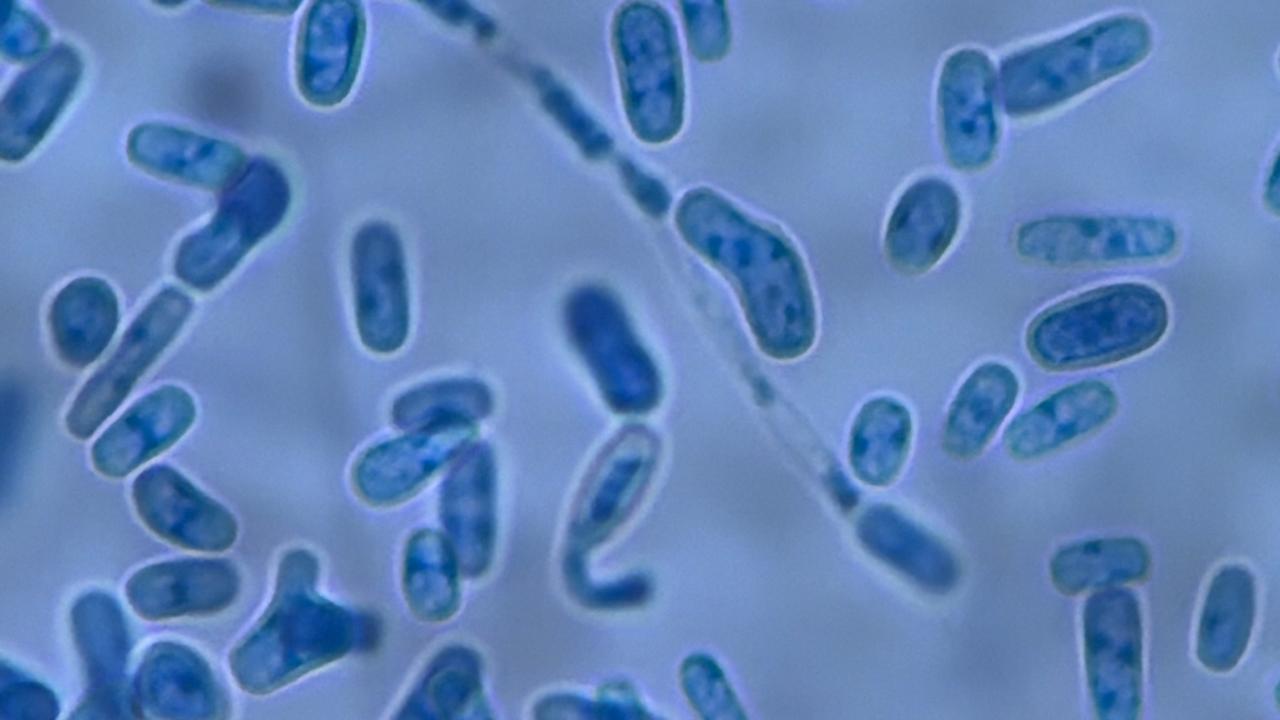
Gram-positive budding yeast-like cells, oval to elongated, arranged singly, in pairs, and in short pseudohyphae-like forms in Gram staining of culture microscopy at a magnification of 4000X

Introduction Unlike molds, yeasts are the most commonly recovered fungi in blood cultures. Candidemia is among the leading causes of bloodstream infections in immunocompromised and critically ill patients. Yeasts such as Candida, Cryptococcus, and Trichosporon are responsible for significant morbidity and mortality. Blood culture positivity …

Read more

Blood Culture–Positive Molds: Introduction, Common molds, Comparison, and Keynotes

Blood Culture–Positive Molds

Introduction Blood cultures are the cornerstone for diagnosing fungemia, but while yeasts (Candida spp.) are frequently detected, molds are rarely recovered in blood culture systems. This is because most molds (Aspergillus, Mucorales) cause tissue-invasive disease without sustained fungemia. However, certain molds such as Fusarium spp. …

Read more

Fungal Blood Culture-Mold: Introduction, Principle, Clinical Significance, and Keynotes

Fungal Blood Culture Bottle showing fungal growth

Introduction Molds such as Aspergillus, Fusarium, Scedosporium, and members of the Mucorales are important causes of invasive fungal infections, particularly in immunocompromised patients (oncology, transplant, hematology, ICU). Unlike yeasts (Candida, Cryptococcus), which are more frequently recovered from blood cultures, molds are rarely detected in routine …

Read more

Fungemia-Introduction, Common Fungi, Clinical Feature, Lab Diagnosis, Treatment, and Prevention
Blood fungal culture bottles containing a biphasic medium used for detecting fungal growth in fungemic patients

Introduction Fungemia refers to the presence of fungi in the bloodstream, indicating systemic fungal infection. Candida species are most commonly responsible, but other yeasts and molds may also invade the bloodstream. Fungemia is a medical emergency, especially in ICU patients, immunocompromised hosts, post-surgical cases, and …

Read more

Trichosporon: Introduction, Morphology, Pathogenicity, Lab Diagnosis, Treatment, Prevention, and Keynotes

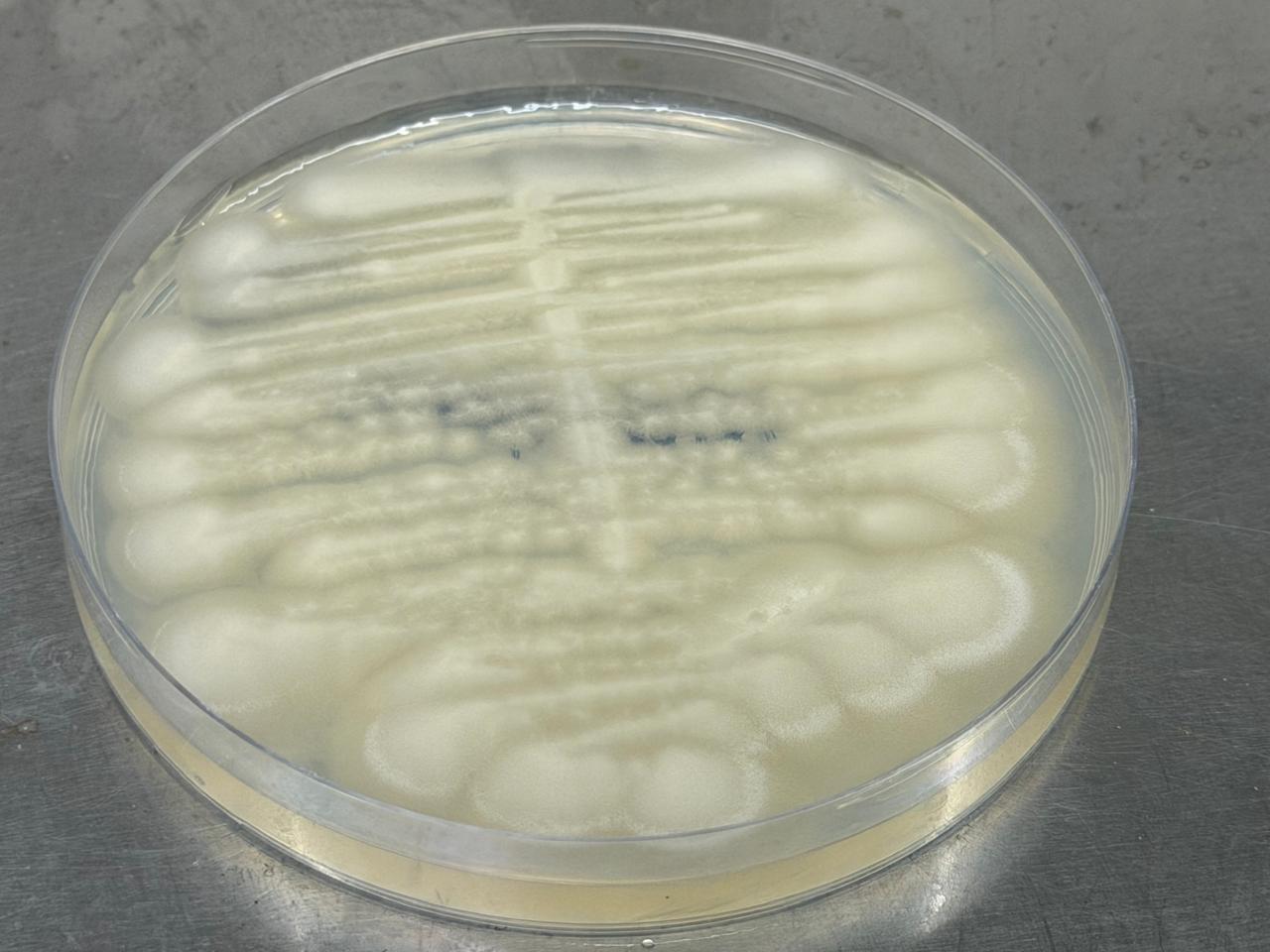
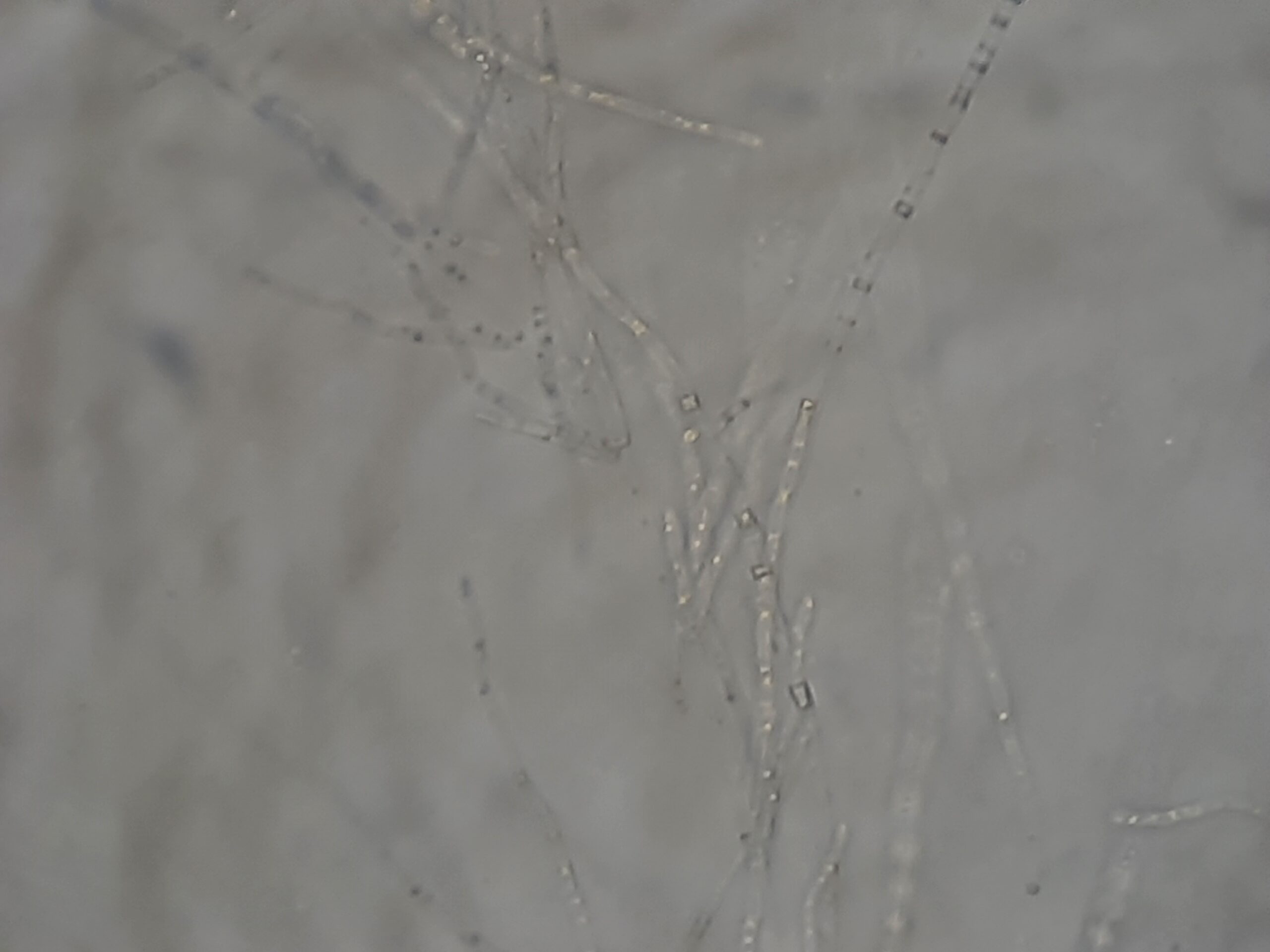
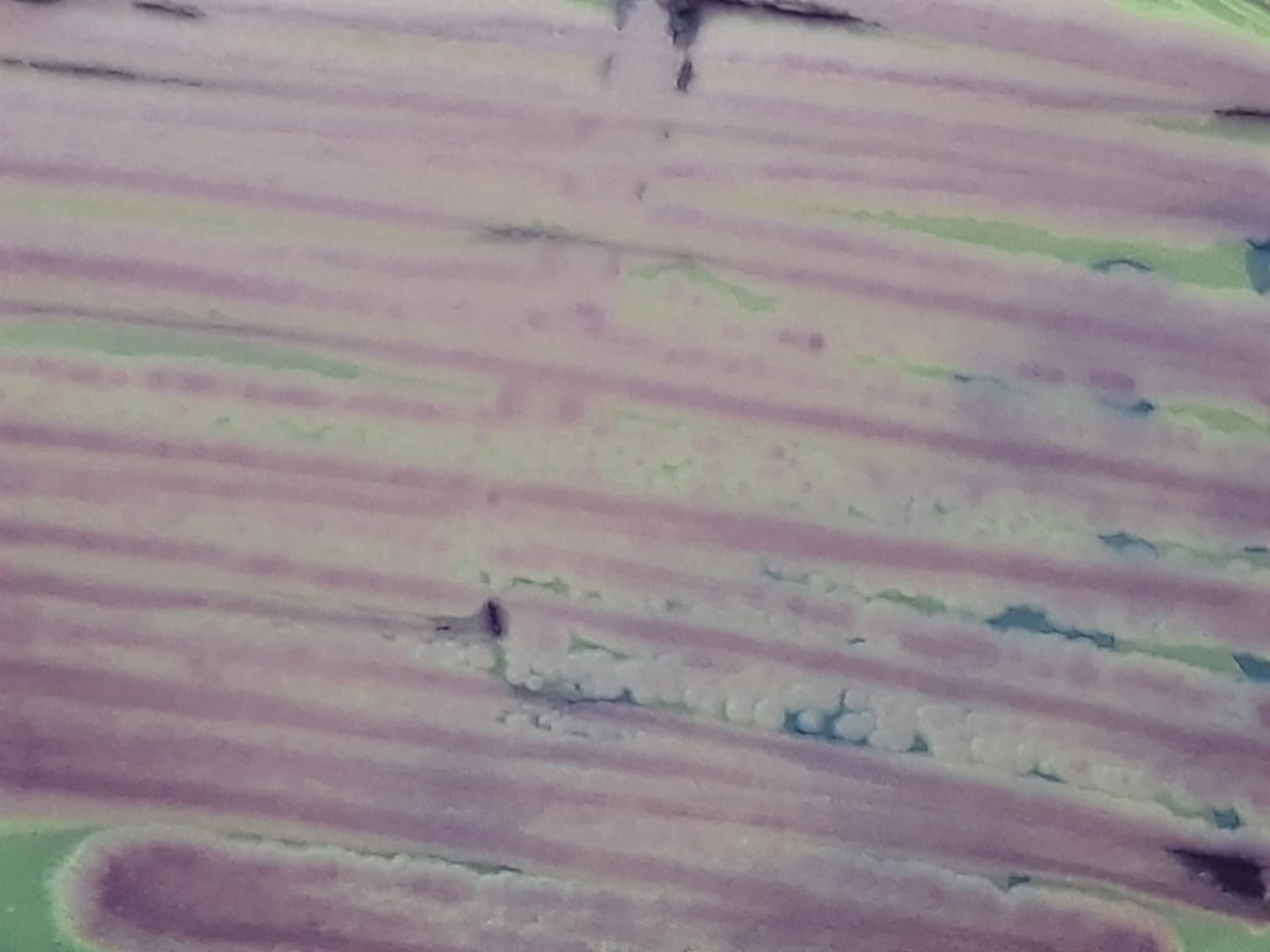
Trichosporon colony morphology on potato dextrose agar (PDA) of clinical specimen culture

Introduction Trichosporon is a genus of yeast-like fungi that belongs to the phylum Basidiomycota. It is commonly found in the environment, especially in soil, water, and various organic matter. Trichosporon species can be opportunistic pathogens, and they are known to cause infections in both humans …

Read more

Blood Culture: Introduction,Common Blood Pathogens, Test Report, Clinical Singificance,and Keynotes

BD BACTEC blood culture vial

Introduction Blood culture is a diagnostic test performed to detect the presence of microorganisms, such as bacteria and fungi, in the bloodstream. It is a critical tool used by healthcare providers to identify and treat bloodstream infections or septicemia, which can be life-threatening if not …

Read more