Rothia kristinae vs Granulicatella elegans vs Gardnerella vaginalis: Introduction, Differences, and Keynotes
Rothia kristinae vs Granulicatella elegans vs Gardnerella vaginalis- Introduction, Differences, and Keynotes

Introduction Rothia kristinae, Granulicatella elegans, and Gardnerella vaginalis are all Gram-positive (or Gram-variable) bacteria that exist as part of the human normal microbial flora, but they differ significantly in their taxonomy, physiological characteristics, and clinical roles. Comparison Table Feature Rothia kristinae Granulicatella elegans Gardnerella vaginalis …
Read more

Geotrichum klebahnii: Introduction, Morphology, Pathogenicity, Lab Diagnosis, Treatment, and Prevention

Lacking blastoconidia (budding yeast cells), distinguishing Geotrichum klebahnii from Trichosporon

Introduction Geotrichum klebahnii is a rare, opportunistic, yeast-like fungus that is found globally in environments like soil, dairy products, and organic waste, but can act as an emerging pathogen in humans. Along with Geotrichum candidum, it is one of the only species within its genus …

Read more

Bacterial Load (Decoding the CFU): Introduction, Ranges, Application, and Keynotes

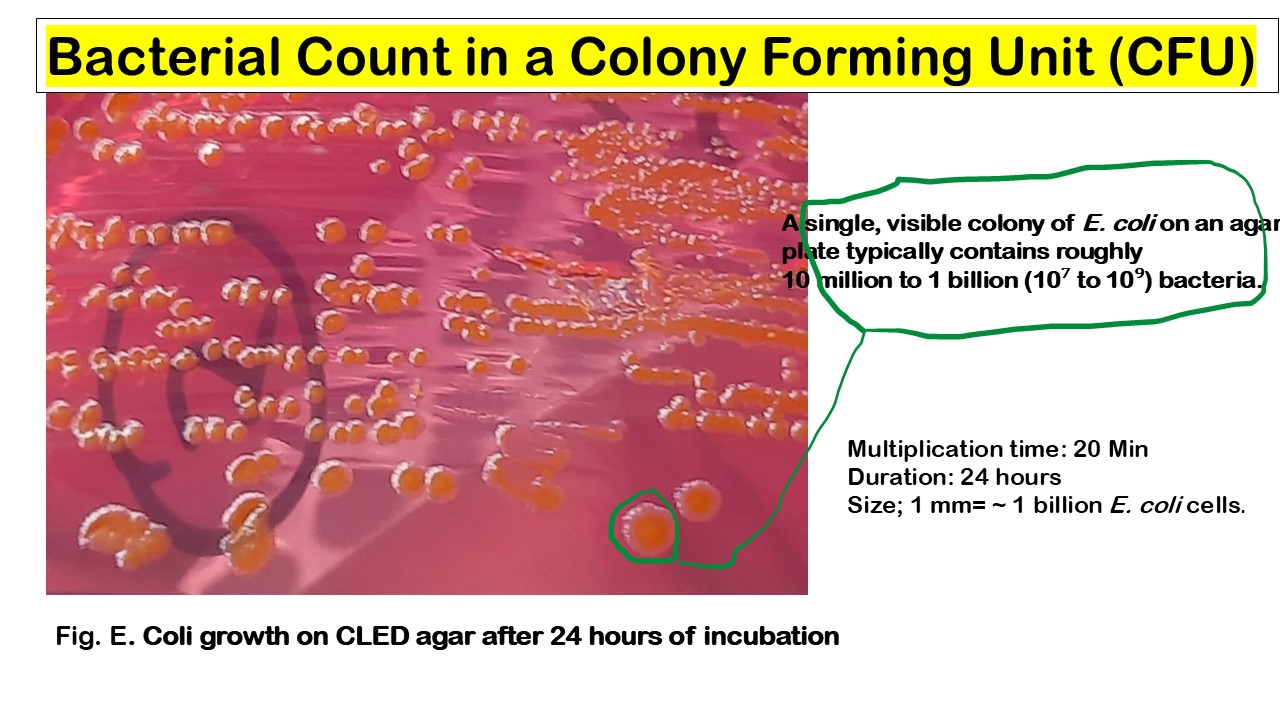
Bacterial Count in a Colony Forming Unit (CFU)

Introduction of Bacterial Load (Decoding the CFU) Bacterial load, measured in Colony-Forming Units (CFU), is a fundamental concept in microbiology used to estimate the number of viable (living) microorganisms in a sample. Unlike total cell counts that include dead bacteria, the CFU method only counts …

Read more

Middlebrook 7H9 Broth: Introduction, Composition, Principle, Procedure, Result-Interpretation, Uses, and Keynotes

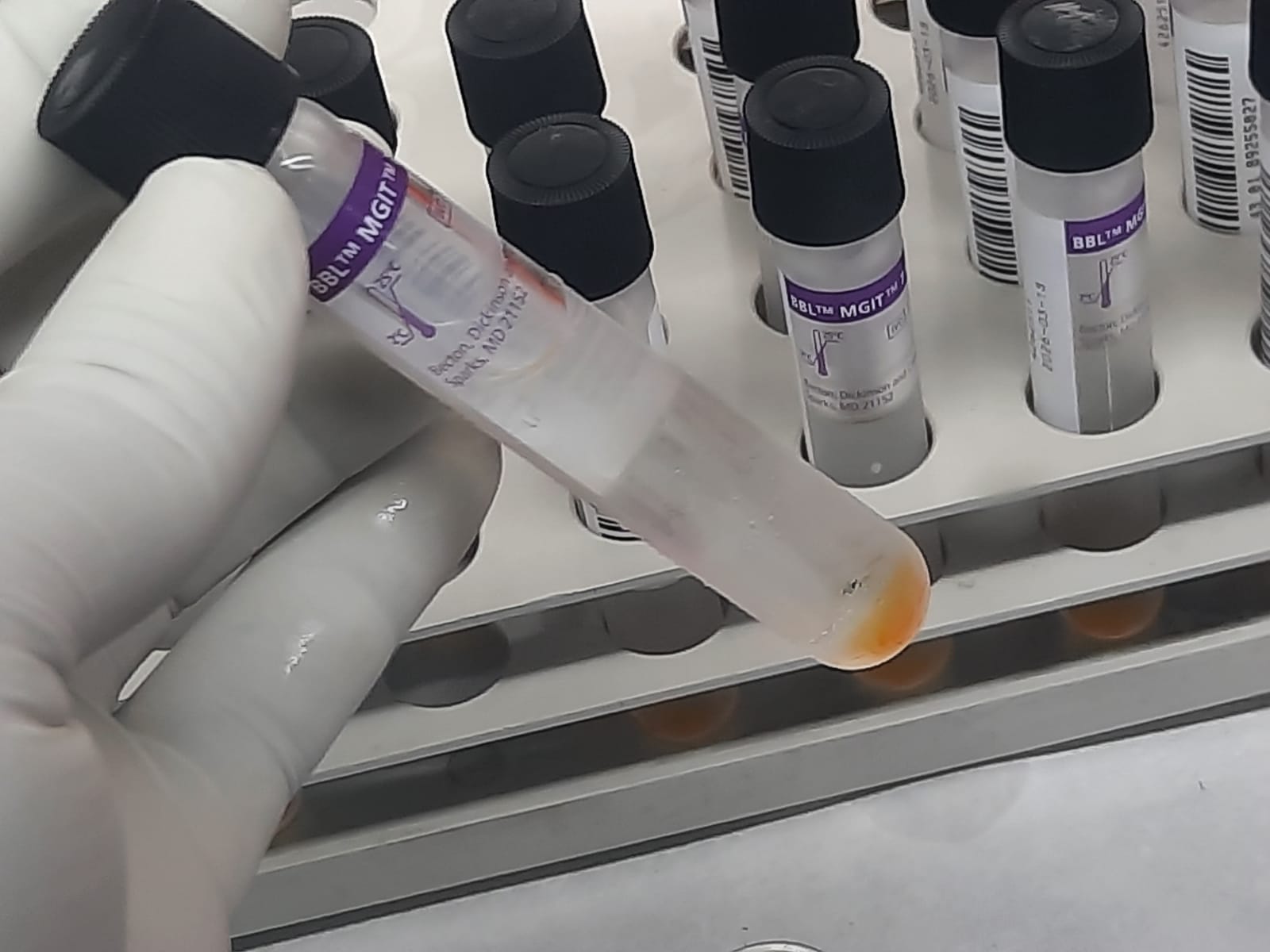
The BBL MGIT tube, showing Modified Middlebrook 7H9 Broth paired with an oxygen-sensitive fluorescent sensor for rapid diagnostic results

Introduction Middlebrook 7H9 broth is a liquid growth medium first described in 1958 by Middlebrook and Cohn for the specialized cultivation of Mycobacterium species. It is widely used in clinical and research settings for rapid growth, biochemical testing, and preparing inocula for drug susceptibility testing …

Read more

Aerococcus viridans: Introduction, Morphology, Pathogenicity, Lab Diagnosis, Treatment, Prevention, and Keynotes

Aerococcus viridans in Gram staining of culture

Introduction Aerococcus viridans is a gram-positive coccus that rarely infects humans. It usually inhabits hospital environments. Moreover, it exists in air and water. It causes urinary tract infections, endocarditis, and bacteremia. Additionally, it appears in various clinical specimens. Furthermore, laboratories sometimes misidentify it as viridans …

Read more

Pollen Grains Microscopy: Introduction, Identification, and Keynotes

Pollen grain in KOH mount of sputum microscopy at high power objecti ve (40X) further enhanced 4X

Introduction Pollen grain microscopy involves studying the microscopic structures of pollen grains using techniques like light microscopy to identify them based on their morphology, shape, and surface features, which are crucial for plant taxonomy, ecology, and other applications.  What are pollen grains? Pollen grains are …

Read more

Fungal Microscopy: Introduction, List of Tests, Application, and Keynotes

Fungal Microscopy: Introduction, List of Tests, Application, and Keynotes

Introduction Fungal microscopy visualizes fungi in clinical specimens. Moreover, it diagnoses fungal infections rapidly.Additionally, it identifies fungal morphology and structures. Furthermore, it guides antifungal therapy decisions. Consequently, it plays a crucial role in clinical mycology. List of Tests for Fungal Microscopic Examination Firstly, the KOH …

Read more

Cedecea davisae- Introduction, Morphology, Pathogenicity, Lab Diagnosis, Treatment, Prevention, and Keynotes

Cedecea in wet mount of culture microscopy

Introduction Cedecea davisae is a rare, opportunistic pathogen in the Enterobacteriaceae family. It was first isolated from a human wound. This bacterium can cause infections in immunocompromised individuals. It exhibits resistance to several antibiotics. It is often misidentified due to its rarity. However, proper laboratory …

Read more