Lactococcus garvieae: Introduction, Pathogenicity, Lab Diagnosis, Treatment, Prevention, and Keynotes
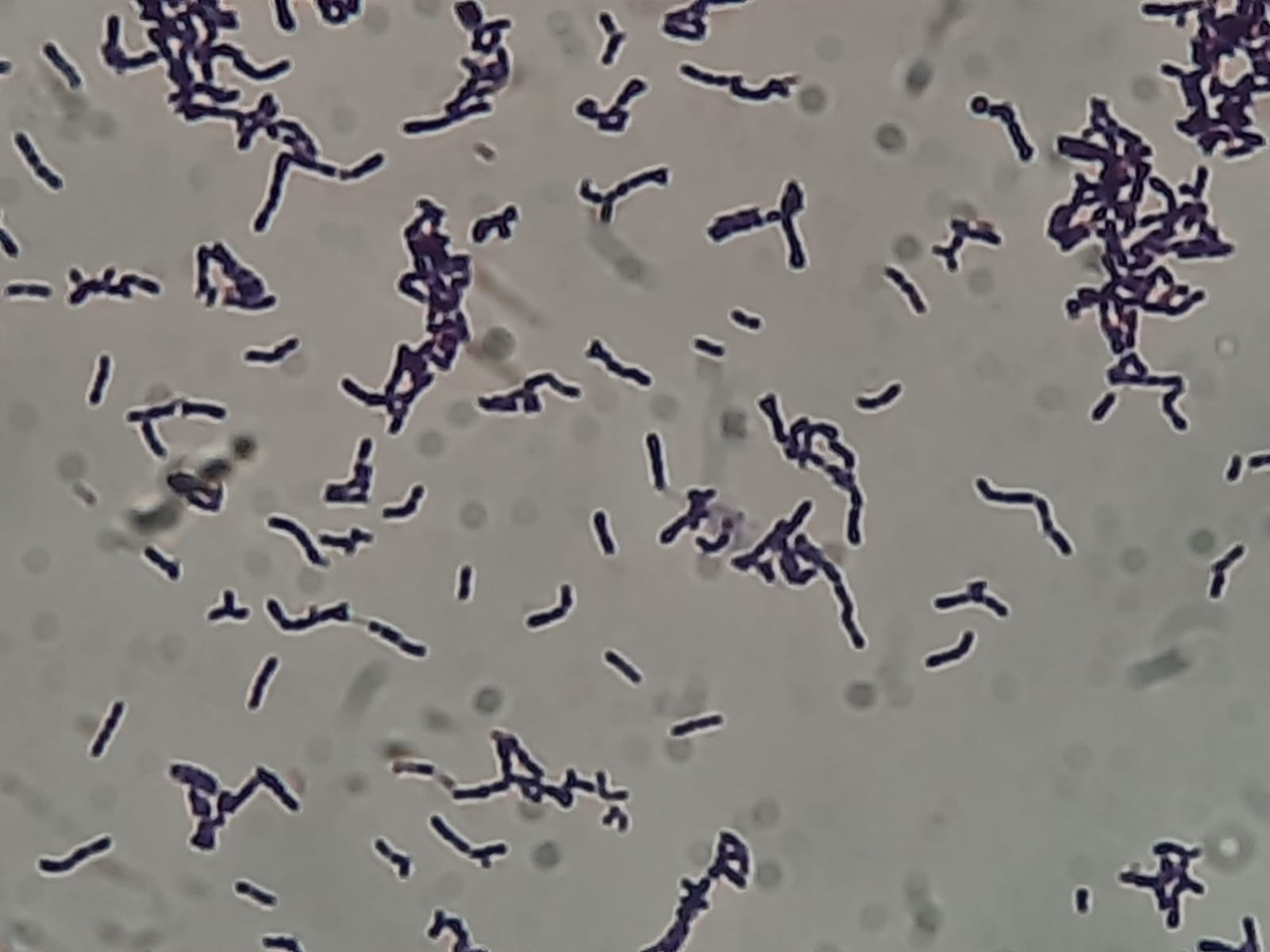
Gram positive cocci of Lactococcus garvieae in Gram staining of repeated culture at a magnification of 4000X

Introduction Lactococcus garvieae is a Gram-positive, catalase-negative, non-spore-forming coccus, typically arranged in pairs or short chains. It belongs to the lactic acid bacteria group and is well known as a major pathogen in fish (lactococcosis). In humans, it is an emerging opportunistic pathogen, increasingly recognized …

Read more

Broad Range PCR Assay for Fungi-Directly on Clinical Samples: Introduction, Principle, Clinical Significance, and Keynotes

Broad Range PCR Assay for Fungi-Directly on Clinical Samples-Introduction, Principle, Clinical Significance, and Keynotes

Introduction Broad-range PCR assays for fungi are molecular diagnostic methods designed to detect a wide spectrum of fungal pathogens directly from clinical samples such as blood, BAL, sputum, CSF, tissue biopsies, and sterile body fluids.These assays target highly conserved fungal genomic regions, primarily the Internal …

Read more

Fungal Elements in KOH Mount of Bile Microscopy-Introduction, Fungal Elements Observed in Bile KOH Mount, Applications, and Keynotes

Bile sample before centrifugation for KOH mount and fungal culture

Introduction KOH Mount of Bile is a direct microscopic examination technique used to detect fungal elements in bile fluid collected during ERCP, biliary drainage, cholecystectomy, or liver procedures.Because bile contains mucus, epithelial debris, fats, and pigments, a 10–20% Potassium Hydroxide (KOH) solution is used to …

Read more

Fungal Elements in KOH Mount of Sputum Microscopy-Introduction, Fungal Elements Observed in Sputum KOH Mount, Applications, and Keynotes

Fungal Elements in KOH Mount of Sputum Microscopy at a magnification of 1600X

Introduction KOH mount of sputum is a rapid, direct microscopic technique used to detect fungal elements in the respiratory tract. A 10–20% Potassium Hydroxide (KOH) solution digests mucus, epithelial cells, and debris in sputum, while preserving the chitin-rich fungal cell walls, making them appear clear, …

Read more

Fungal Elements in KOH Mount of Urine Microscopy: Introduction, Fungal Elements Observed in Urine KOH Mount, Applications, and Keynotes

Fungal elements in KOH Mount of Urine Microscopy- Introduction, Fungal Elements Observed in Urine KOH Mount, Applications, and Keynotes

Introduction Potassium Hydroxide (KOH) mount is a simple, rapid, and cost-effective microscopic technique used to detect fungal elements in various clinical specimens, including urine samples. When fungal infection of the urinary tract (funguria) is suspected—especially in immunocompromised, diabetic, or catheterized patients—KOH mount helps visualize yeast …

Read more

Diagnostic Challenge: LD Bodies vs Pneumocystis Vs Histoplasma in Giemsa-Stained BAL

Found in Giemsa staining of BAL-Possible pathogen?

Found in Giemsa staining of BAL. Possible pathogen? Morphological Features (Center) Possible Pathogen Supporting Features for Pneumocystis Recommendations Is it possible to be LD bodies? Based on the Giemsa-stained BAL image: The central violet-stained cluster of intracellular forms could resemble Leishman-Donovan (LD) bodies, especially in …

Read more

Pneumocystis PCR: Introduction, Principle, Test Requirements, Procedure, Result-Interpretation, Clinical Significance, and Keynotes

Pneumocystis PCR: Introduction, Principle, Test Requirements, Procedure, Result-Interpretation, Clinical Significance, and Keynotes

Introduction Pneumocystis PCR is a molecular diagnostic tool used for the detection of Pneumocystis jirovecii DNA in respiratory specimens, especially in immunocompromised patients suspected of having Pneumocystis pneumonia (PCP).It offers higher sensitivity than traditional staining techniques (e.g., GMS, toluidine blue) and is particularly helpful in …

Read more

Penicillium vs Paecilomyces: Introduction, Detailed Comparison, Pathogenicity, Lab Diagnosis, Treatment, Prevention, and Keynotes

Penicillium typical structure in LPCB preparation

Introduction of Penicillium vs Paecilomyces Penicillium is a ubiquitous, saprophytic mold found in soil, air, and decaying organic matter. Known for producing the first antibiotic, penicillin, it is typically non-pathogenic but occasionally causes opportunistic infections in immunocompromised hosts. Paecilomyces (especially P. lilacinus and P. variotii) …

Read more