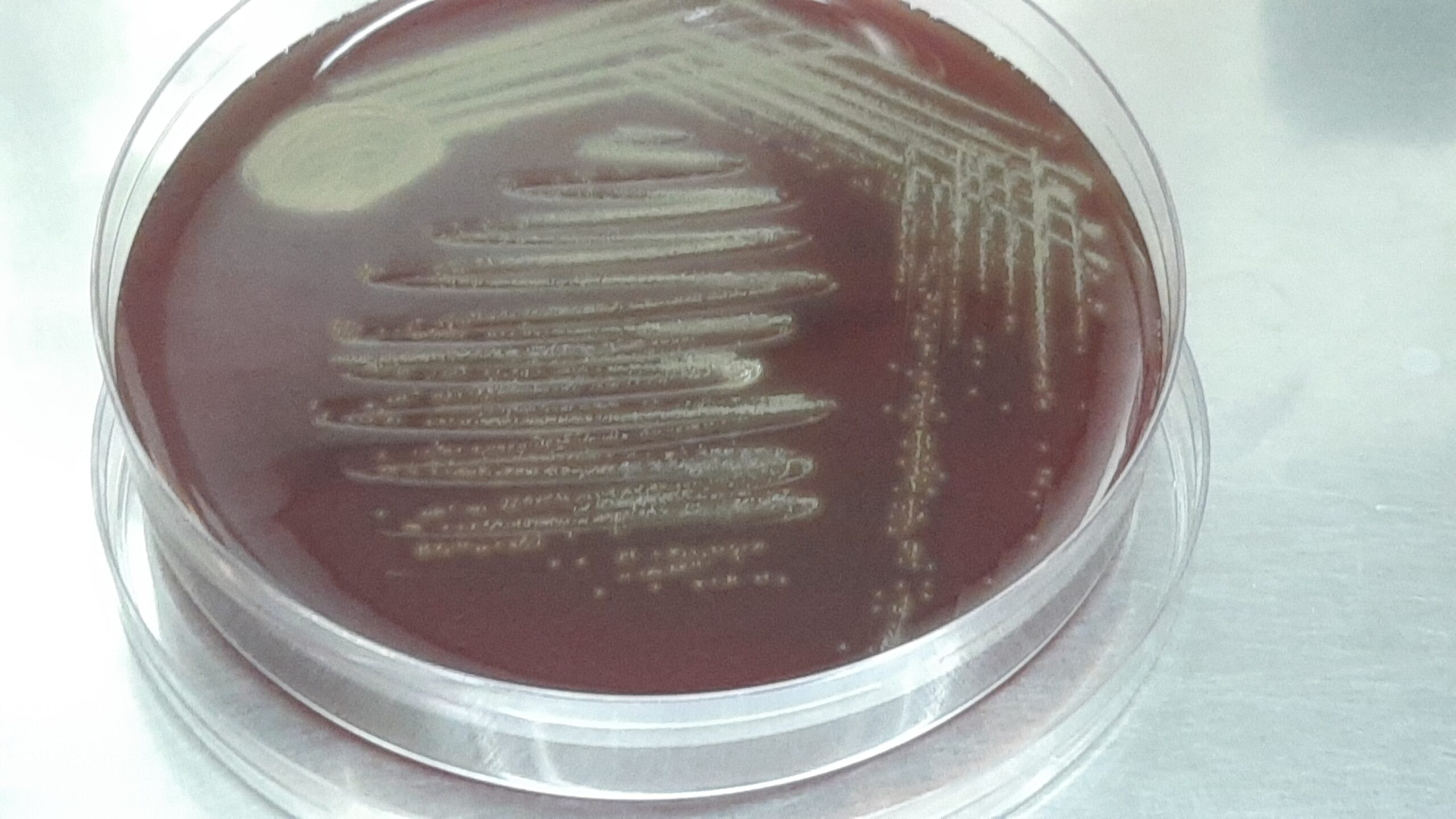
Lactococcus garvieae: Introduction, Pathogenicity, Lab Diagnosis, Treatment, Prevention, and Keynotes
Gram positive cocci of Lactococcus garvieae in Gram staining of repeated culture at a magnification of 4000X

Introduction Lactococcus garvieae is a Gram-positive, catalase-negative, non-spore-forming coccus, typically arranged in pairs or short chains. It belongs to the lactic acid bacteria group and is well known as a major pathogen in fish (lactococcosis). In humans, it is an emerging opportunistic pathogen, increasingly recognized …

Read more

Streptococcus sanguinis-Introduction, Morphology, Pathogenicity, Lab Diagnosis, Treatment, Prevention, and Keynotes

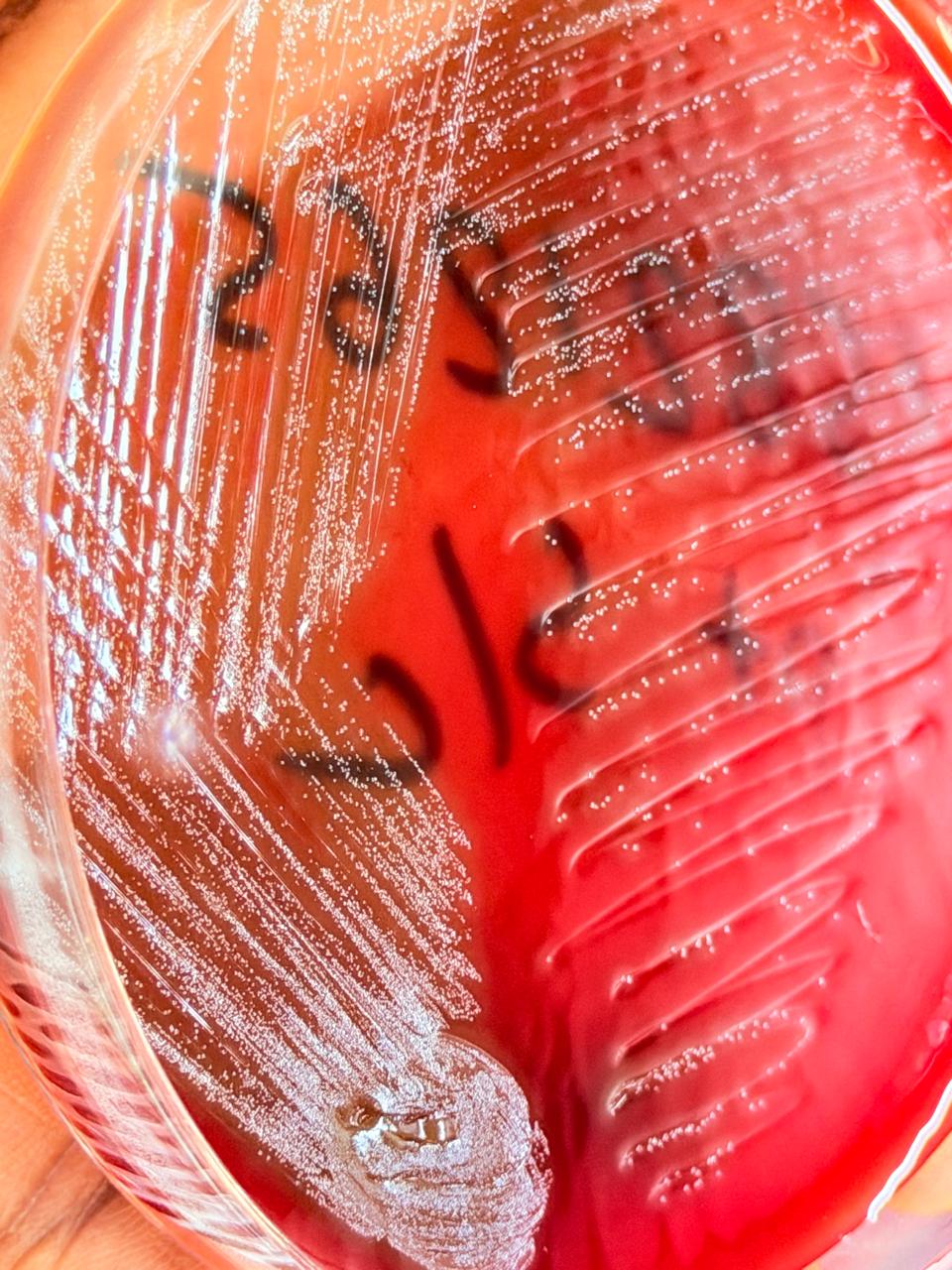
Streptococcus sanguinis colony morphology on blood agar of urine culture

Introduction Streptococcus sanguinis is a Gram-positive bacterium belonging to the Streptococcaceae family. It is a commensal bacterium commonly found in the human oral cavity and is part of the normal oral microbiota. While it generally coexists peacefully with its host, S. sanguinis can also play …

Read more

Gemella-Introduction, Morphology, Pathogenicity, Lab Diagnosis, Treatment, Prevention, and Keynotes

Gemella morbillorum colony morphology on blood agar of blood culture

Introduction Gemella is a genus of bacteria that is part of the normal flora of the human body, particularly found in the oral cavity, gastrointestinal tract, and upper respiratory tract. These bacteria are typically harmless but can be opportunistic pathogens, especially in individuals with compromised …

Read more