Saprochaete capitata:Introduction, Morphology, Pathogenicity, Lab Diagnosis, Treatment, Prevention, and Keynotes

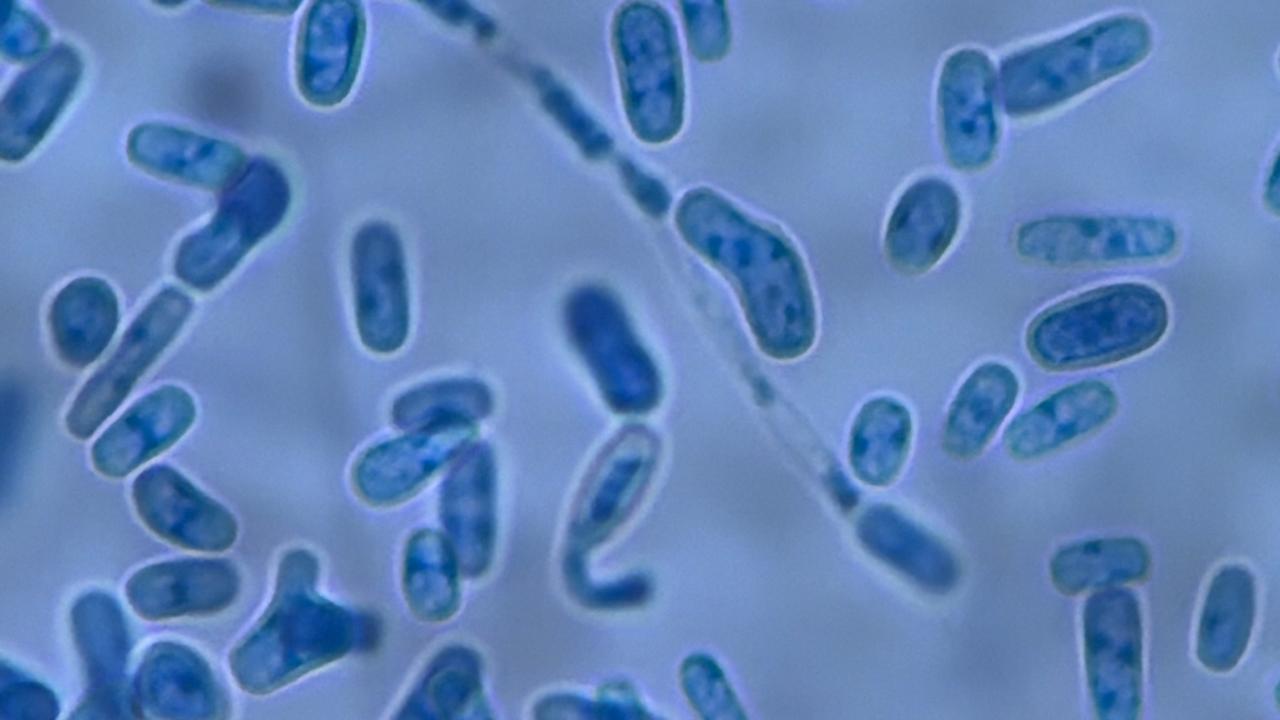
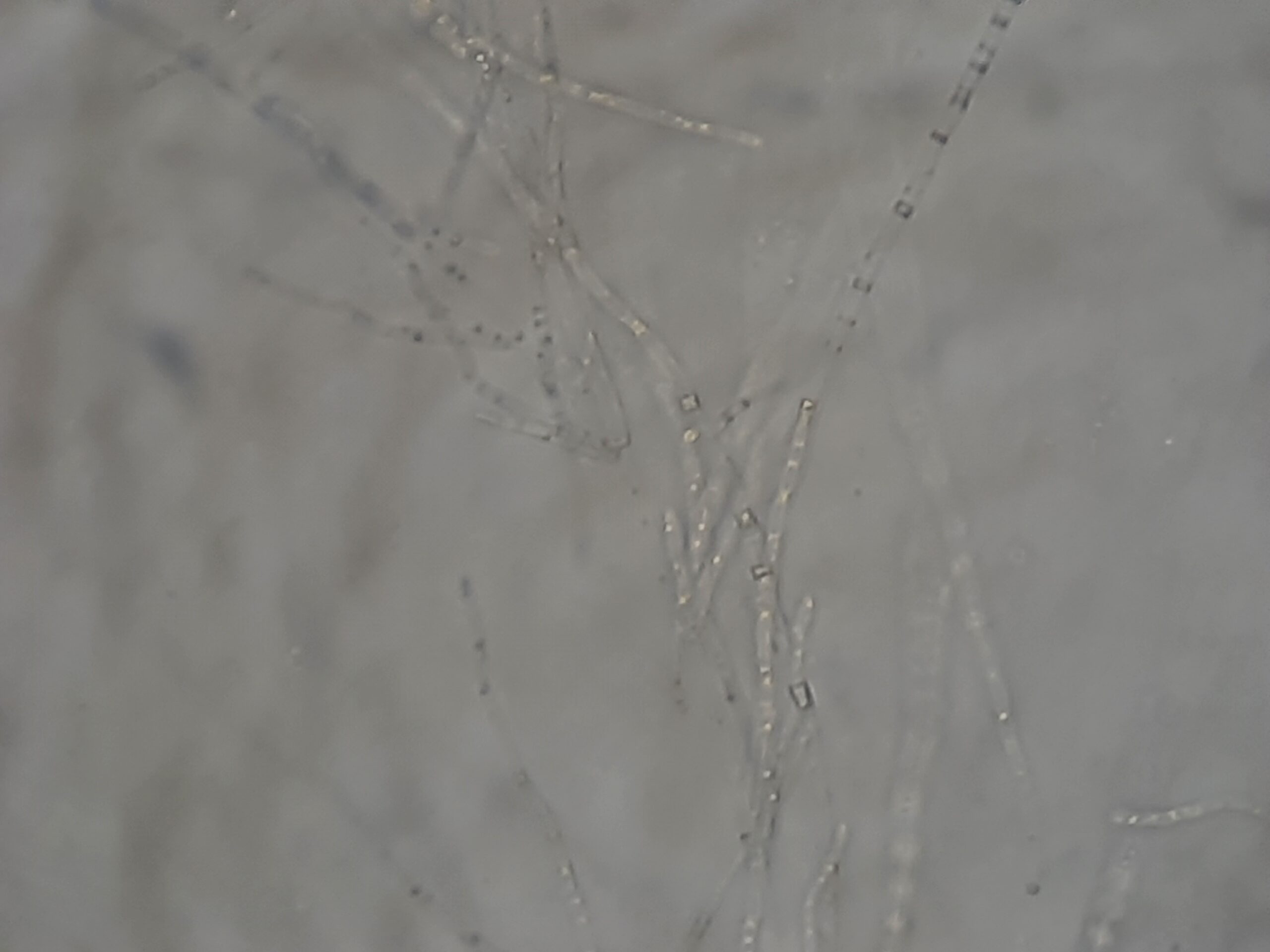
Saprochaete capitata in Dalmau plate technique microscopic footage

Introduction Saprochaete capitata is an emerging opportunistic fungal pathogen that causes severe, frequently fatal systemic infections in profoundly immunocompromised individuals. It is notorious for its intrinsic resistance to echinocandins and high resistance to fluconazole, which often results in breakthrough fungemia during standard empirical antifungal therapy. …

Read more

Sphingomonas paucimobilis-Introduction, Morphology, Pathogenicity, Lab Diagnosis, Treatment, Prevention, and Keynotes

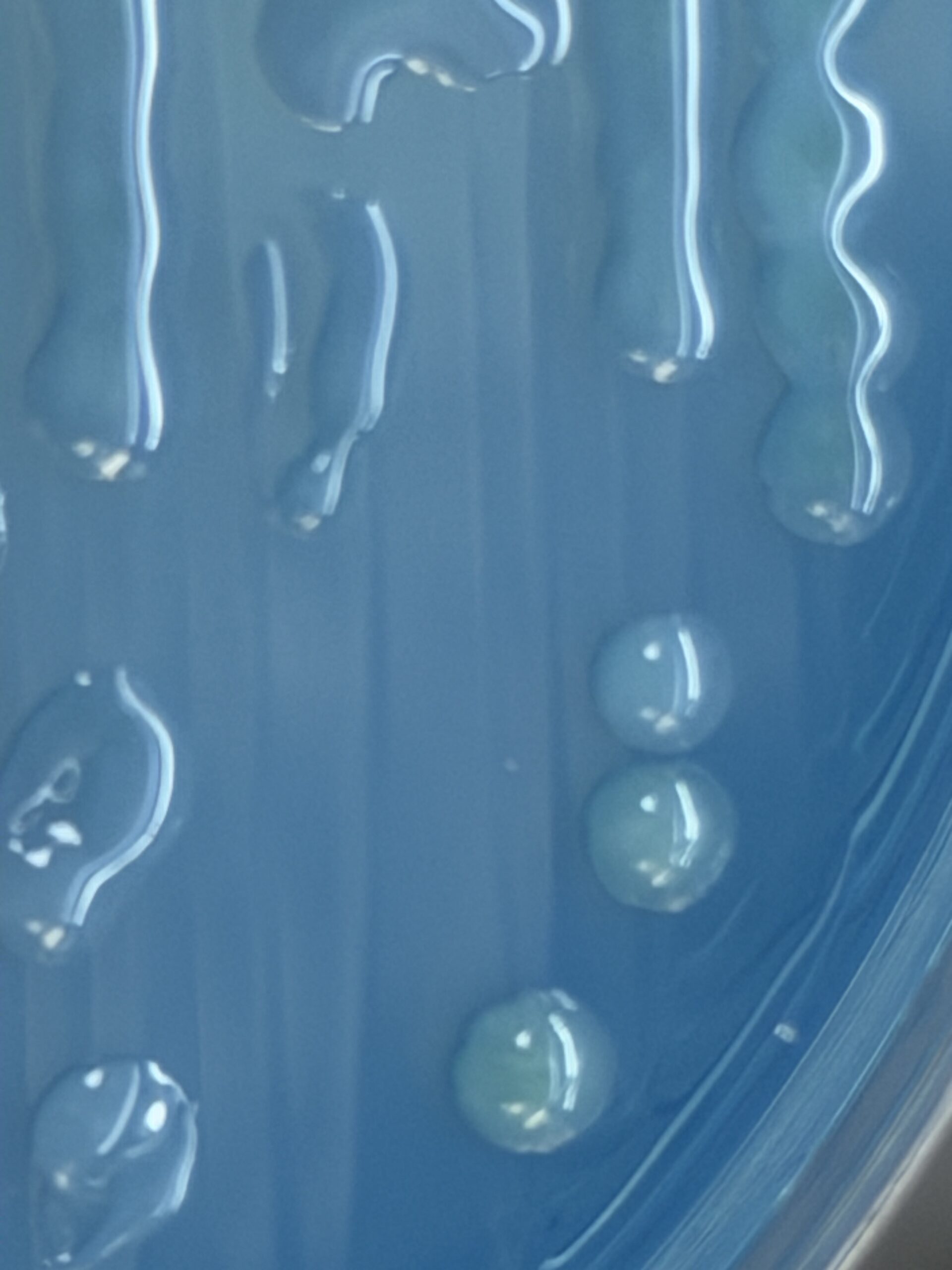
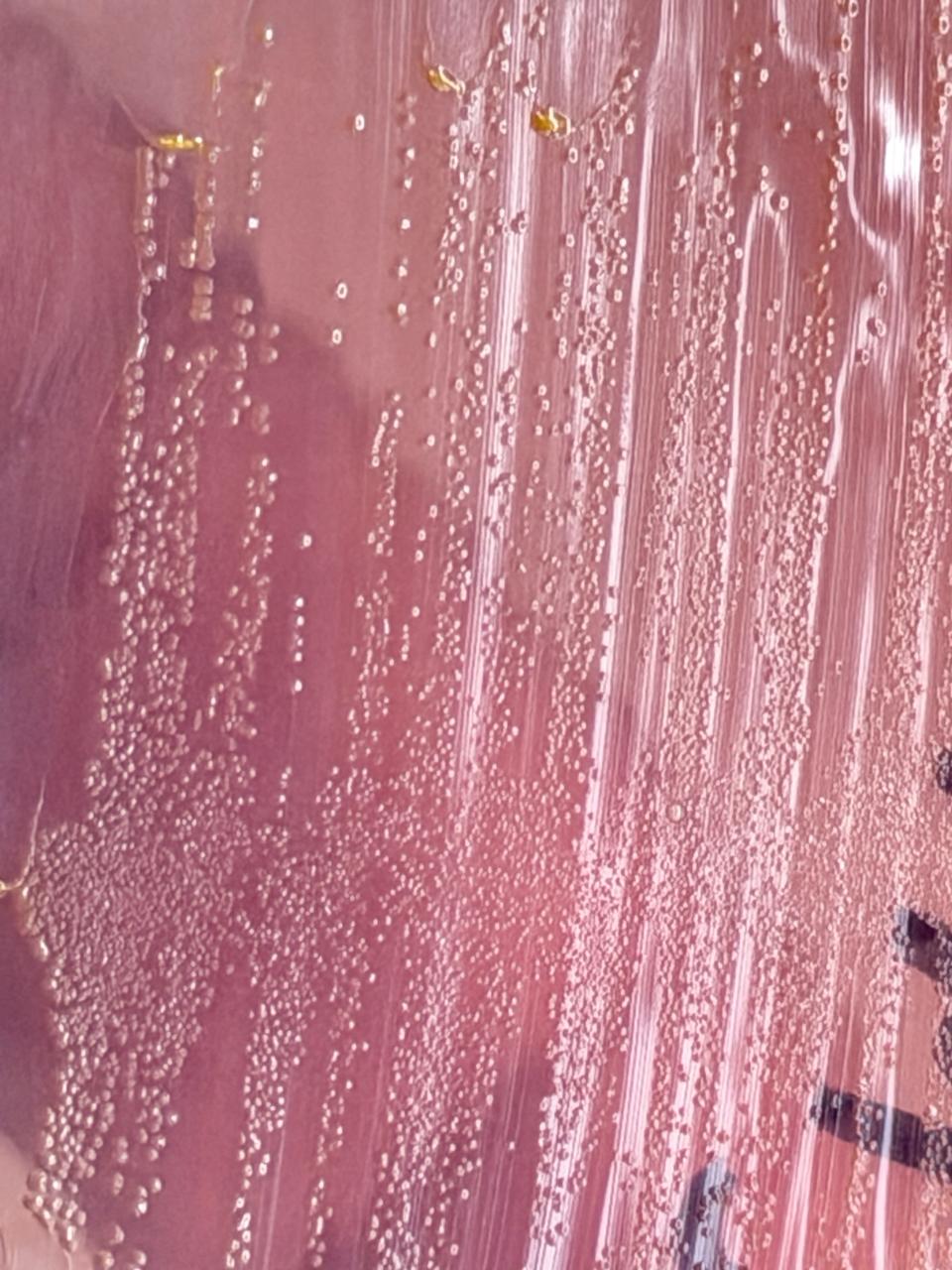
Sphingomonas paucimobilis colony morphology on CLED agar

Introduction Sphingomonas paucimobilis (formerly classified as Pseudomonas paucimobilis) is a strictly aerobic, non-fermenting, Gram-negative bacillus. It is an environmental oligotroph found widely in soil and water systems. It serves as a stealthy opportunistic pathogen in clinical settings. It can survive in nutrient-poor conditions and form …

Read more

Acinetobacter baumannii complex-Introduction, Species in this group, Morphology, Pathogenicity, Lab Diagnosis, Treatment, Prevention, and Keynotes

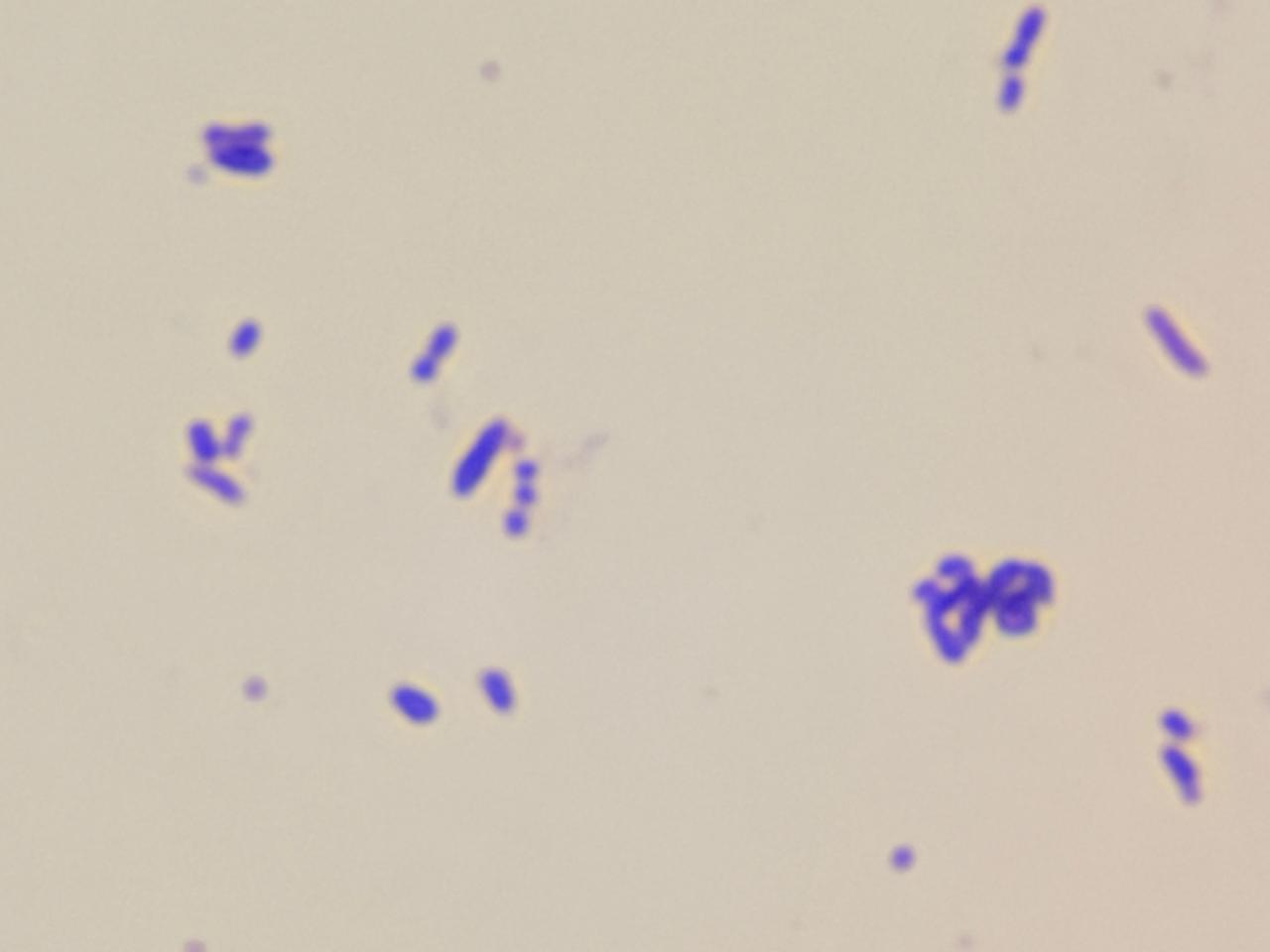
Gram-negative coccobacilli (often in pairs) of Acinetobacter baumannii complex

Introduction The Acinetobacter baumannii complex (ABC) is a group of highly resilient, opportunistic Gram-negative bacteria that pose a critical threat in healthcare settings. Classified as an “ESKAPE” pathogen, it is a leading cause of severe hospital-acquired (nosocomial) infections. The World Health Organization (WHO) categorizes carbapenem-resistant …

Read more

Nakaseomyces glabratus: Introduction, Morphology, Pathogenicity, Lab Diagnosis, Treatment, Prevention, and Keynotes

Nakaseomyces glabratus (formerly Candida glabrata) growth on HiCrome Candida Differential Agar

Introduction Nakaseomyces glabratus (formerly Candida glabrata) is a highly adaptable, haploid yeast that is a common commensal of the human gastrointestinal and genitourinary tracts. It is the second or third most common cause of candidiasis worldwide and is notable for its high level of intrinsic and acquired …

Read more

VITEK MS Prime: Introduction, Principle, Components, Procedure, Result -Interpretation, Application, and Keynotes

VITEK MS Prime Introduction, Principle, Components, Procedure, Result -Interpretation, Application, and Keynotes

Introduction The VITEK MS PRIME is a benchtop, high-throughput automated identification system that works on the principle of Matrix-Assisted Laser Desorption Ionization-Time of Flight (MALDI-TOF) mass spectrometry. It is applicable to enhance laboratory workflow for the rapid identification of microbes like bacteria, yeasts, molds, and mycobacteria.  Principle …

Read more

Fungal Blood Culture-Mold: Introduction, Principle, Clinical Significance, and Keynotes

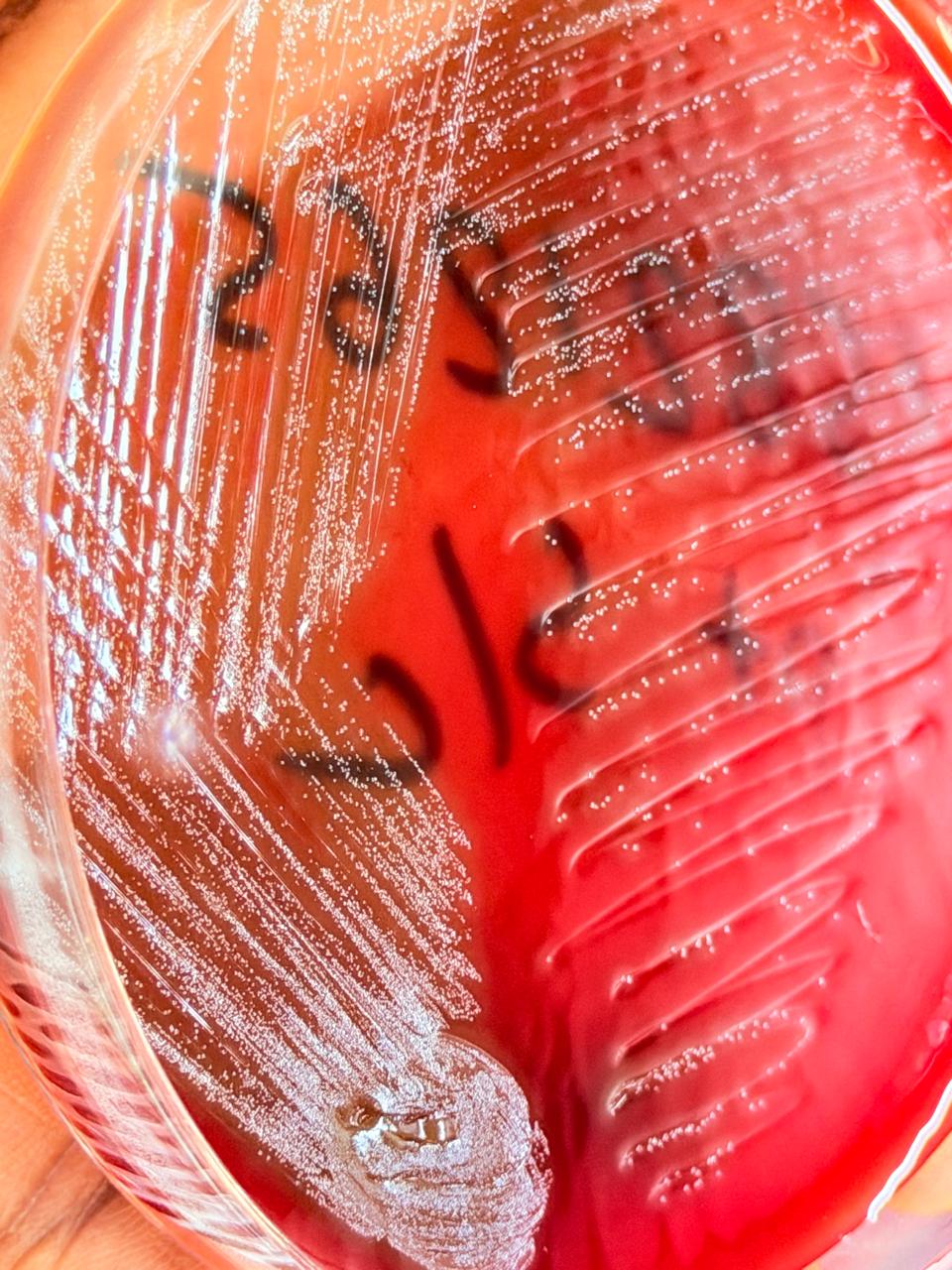
Fungal Blood Culture Bottle showing fungal growth

Introduction Molds such as Aspergillus, Fusarium, Scedosporium, and members of the Mucorales are important causes of invasive fungal infections, particularly in immunocompromised patients (oncology, transplant, hematology, ICU). Unlike yeasts (Candida, Cryptococcus), which are more frequently recovered from blood cultures, molds are rarely detected in routine …

Read more

Aerococcus viridans: Introduction, Morphology, Pathogenicity, Lab Diagnosis, Treatment, Prevention, and Keynotes

Aerococcus viridans in Gram staining of culture

Introduction Aerococcus viridans is a gram-positive coccus that rarely infects humans. It usually inhabits hospital environments. Moreover, it exists in air and water. It causes urinary tract infections, endocarditis, and bacteremia. Additionally, it appears in various clinical specimens. Furthermore, laboratories sometimes misidentify it as viridans …

Read more

Staphylococcus sciuri- Introduction, Morphology, Pathogenicity, Lab Diagnosis, Treatment, Prevention, and Keynotes

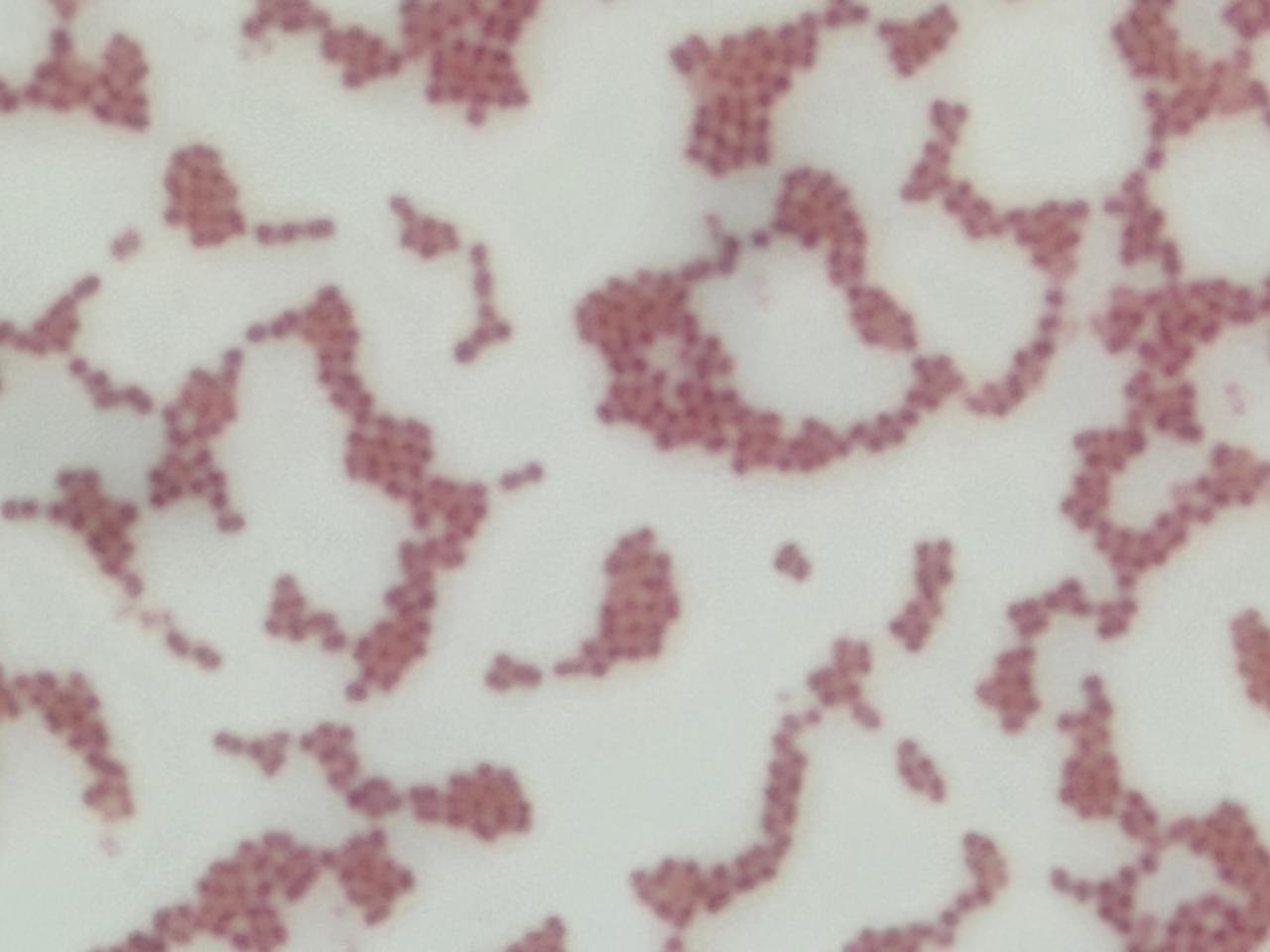
Staphylococcus sciuri Gram positive cocci in singles, pairs, chains and clusters in Gram stain of culture microscopic examination

Introduction Staphylococcus sciuri belongs to the coagulase-negative staphylococci (CoNS) group. Since it thrives in diverse environments, scientists often isolate it from animals, soil, and water. Moreover, it colonizes the skin and mucosal surfaces of humans and animals. Although it usually remains harmless, it can cause …

Read more