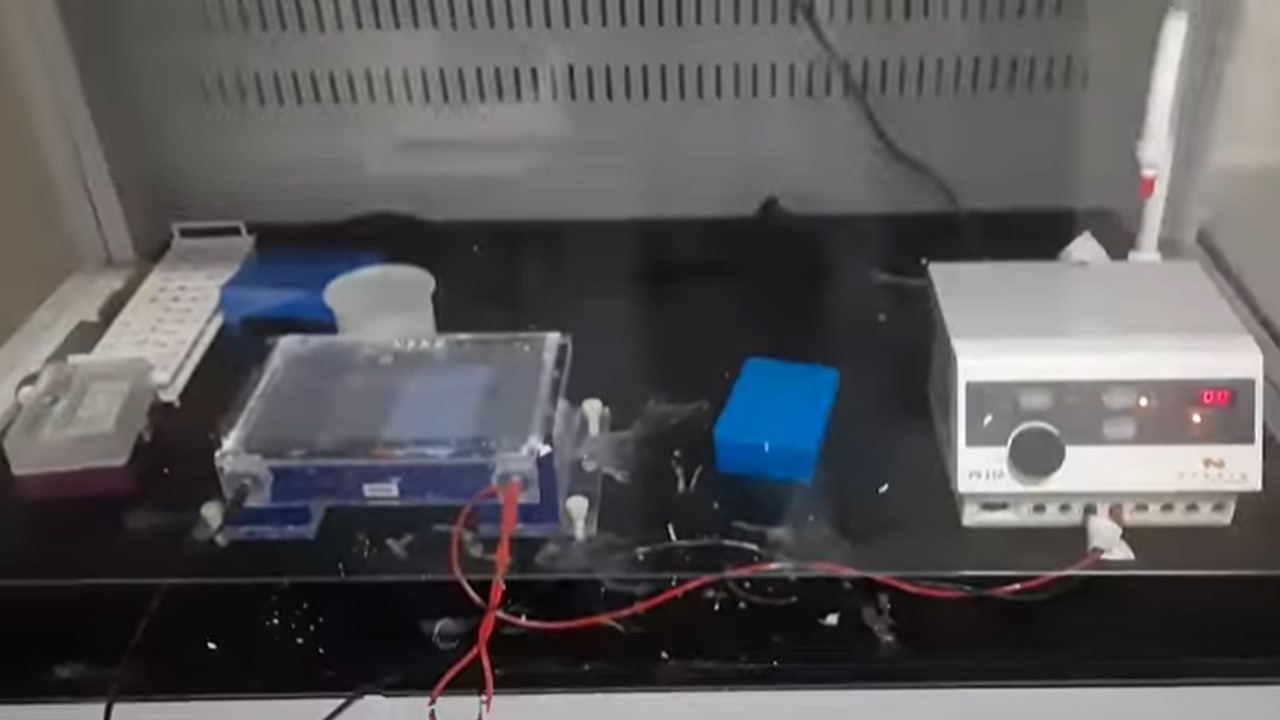
Molecular Typing of Fungi: Introduction, Common Molecular Typing Method, and Application
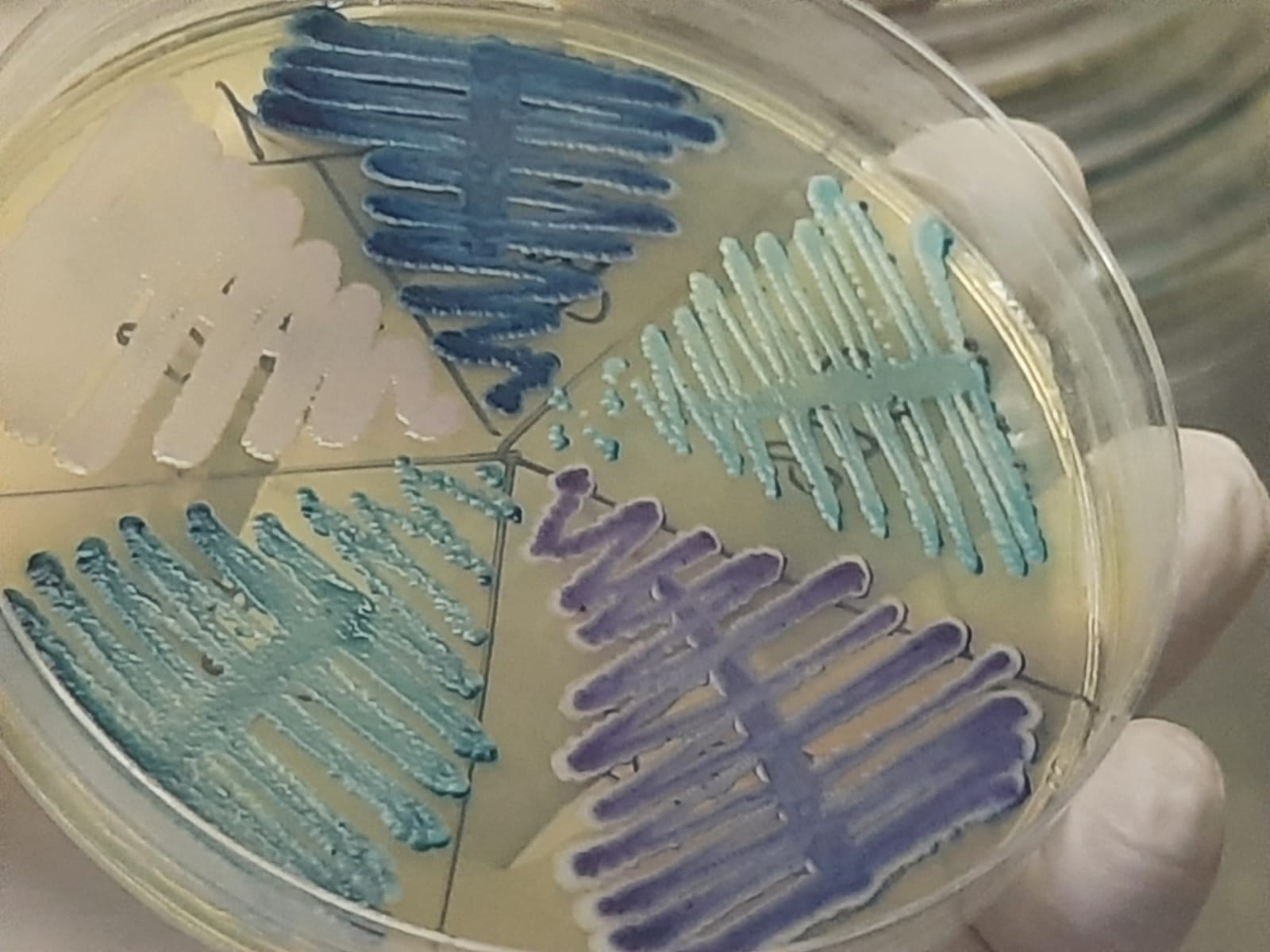
Various Candida species growth on HiCrome Candida Differential Agar

Introduction Molecular typing of fungi uses DNA-based methods to identify species and differentiate strains for clinical, epidemiological, and environmental studies. Key techniques include Internal Transcribed Spacer (ITS) sequencing (the standard for identification), Multilocus Sequence Typing (MLST), restriction fragment length polymorphism (RFLP), and Whole Genome Sequencing (WGS). These methods are crucial for tracking …

Read more

Brain Tumor: An Overview of Introduction, Types, Pathogenesis, Lab Diagnosis, Treatment, Prevention, and Keynotes

Brain Tumor- An Overview of Introduction, Types, Pathogenesis, Lab Diagnosis, Treatment, Prevention, and Keynotes

Introduction A brain tumor is an abnormal, uncontrolled growth of cells within the brain or its surrounding structures. Brain tumors may be primary (originating in the brain) or secondary (metastatic), spreading from other organs. They can affect individuals of any age and cause significant neurological …

Read more

Restriction fragment length polymorphisms (RFLPs)-Introduction, Principle, Test Requirements, Procedure, Result-Interpretation, Application, and Keynotes

Introduction of Restriction fragment length polymorphisms (RFLPs) Restriction Fragment Length Polymorphisms (RFLPs) are a type of genetic variation found within the DNA of organisms, including humans. They were one of the earliest molecular techniques used for genetic analysis and have played a significant role in …

Read more

Pulsed-field gel electrophoresis (PFGE)-Introduction, Principle, Test Requirements, Procedure, Result-Interpretation, Application, and Keynotes

Pulsed-field gel electrophoresis (PFGE)-Introduction, Principle, Test Requirements, Procedure, Result-Interpretation, Application, and Keynotes

Introduction Pulsed-field gel electrophoresis (PFGE) is a powerful laboratory technique used in molecular biology and genetics to separate and analyze large DNA molecules, such as genomic DNA, by their size. PFGE is particularly valuable when studying organisms with complex genomes, such as bacteria, yeast, and …

Read more