VITEK 2 Yeast Identification: Introduction, Name of Card, Principle, Procedure, Result-Interpretation, Organisms Identified, and Keynotes
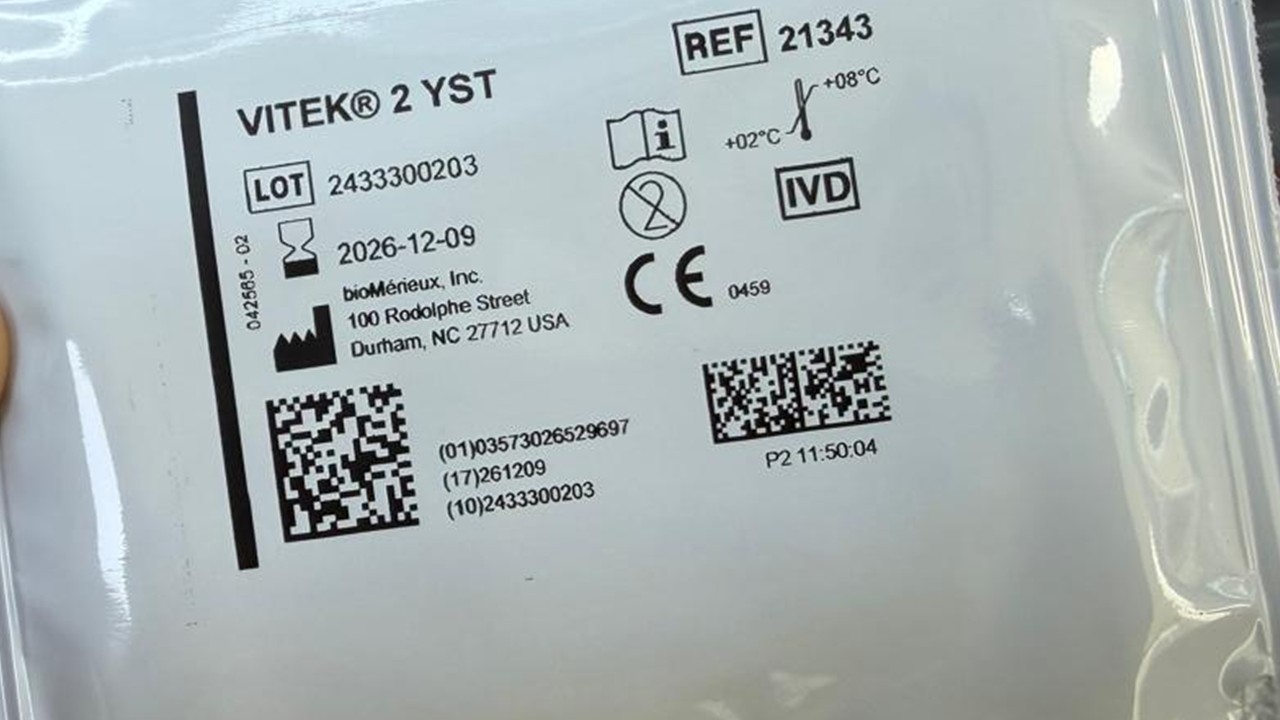
VITEK 2 YST Card information and Organisms Identified

Introduction The VITEK 2 Yeast Identification (YST) system is an automated platform designed for the rapid identification of clinically significant yeasts and yeast-like organisms. It significantly reduces the turnaround time from several days (traditional methods) to approximately 15 to 18 hours. Name of the Card …
Read more

VITEK 2 System: Introduction, Organisms List and Identification Cards, Principle, Identification Procedure, Result-Interpretation, and Keynotes

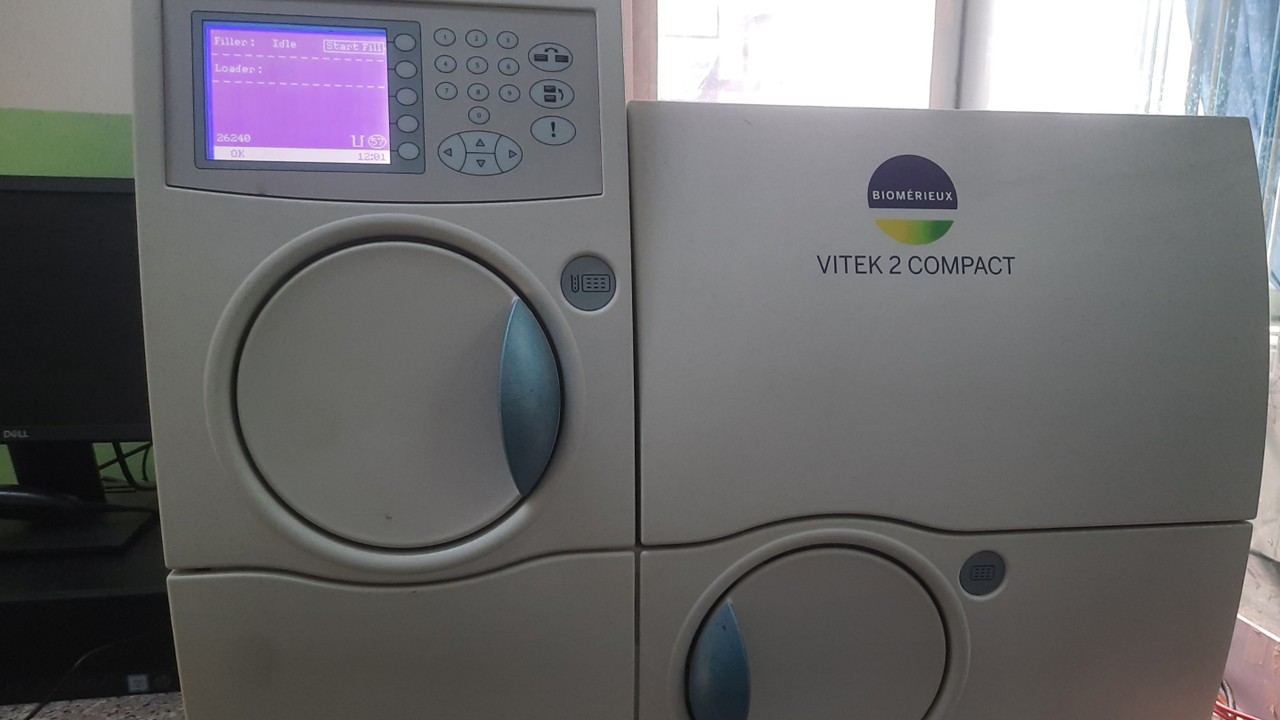
The image shows a front view of the bioMérieux VITEK 2 Compact, a benchtop automated system designed for rapid microbial identification and antibiotic susceptibility testing in clinical laboratorie

Introduction The VITEK 2 System is an automated microbiology platform designed for the rapid identification (ID) and antimicrobial susceptibility testing (AST) of a wide range of microorganisms. It utilizes miniaturized, closed cards that enhance lab safety and streamline workflow. The VITEK 2 cards are lightweight, …

Read more

Unmasking Fungal Pathogens: A Deep Dive into the MYCOscreen18 PCR Panel

Fungal growth on SDA

Introduction to MYCOscreen18 PCR Panel Identifying fungal infections quickly and accurately is a critical challenge in clinical diagnostics. Traditional culture methods can take weeks, often delaying life-saving treatments. Enter the MYCOscreen18 Fungus PCR Panel Kit by Genient—a multiplexed qPCR solution designed to detect and identify …

Read more

Advanced Molecular Fungal Diagnostics: Bridging the Gap in Clinical Mycology

Fungal infections represent a growing global health challenge, causing over 1.7 million deaths annually, with nearly 75% of cases remaining undiagnosed or diagnosed too late. The increasing burden of antifungal resistance (AMR) further complicates treatment outcomes, highlighting an urgent need for rapid, accurate, and comprehensive …

Read more

Candida auris PCR-Directly on Clinical Samples: Introduction, Principle, Clinical Significance, and Keynotes

Candida auris PCR-Directly on Clinical Samples: Introduction, Principle, Clinical Significance, and Keynotes

Introduction Candida auris is an emerging multidrug-resistant yeast responsible for outbreaks of healthcare-associated infections worldwide. It is difficult to identify by conventional culture and biochemical methods, often misidentified as other Candida species (C. haemulonii, C. famata). Rapid and accurate detection is essential to initiate infection …

Read more

Fungal Identification-Introduction, Conventional Method and MALDI TOF Method, Application, and Keynotes

Conidia, phialides(sterigmata), metullae, and conidiophore of Penicillum in LPCB preparation of culture microscopic examination

Introduction Fungal identification plays a vital role in diagnosing infections. Mycologists use various methods to identify fungal species. Firstly, conventional techniques rely on morphology and culture characteristics. Additionally, molecular assays enhance detection accuracy. Researchers now employ advanced tools to expedite fungal identification. Moreover, timely identification …

Read more

Scedosporium: Introduction, Morphology, Pathogenicity, Lab Diagnosis, Treatment, Prevention, and Keynotes

Scedosporium colony morphology on Sabouraud dextrose agar (SDA) of clinical specimen, pus culture

Introduction Scedosporium is a genus of fungi that belongs to the phylum Ascomycota. It is a medically important group of molds known for their ability to cause a wide range of infections in humans. The genus was first described in 1913 by Paul Vuillemin and …

Read more