Second-Line Drug Susceptibility Testing (SL-DST) for Tuberculosis:Introduction, Principle, Procedure, Result-Interpretation, and Keynotes

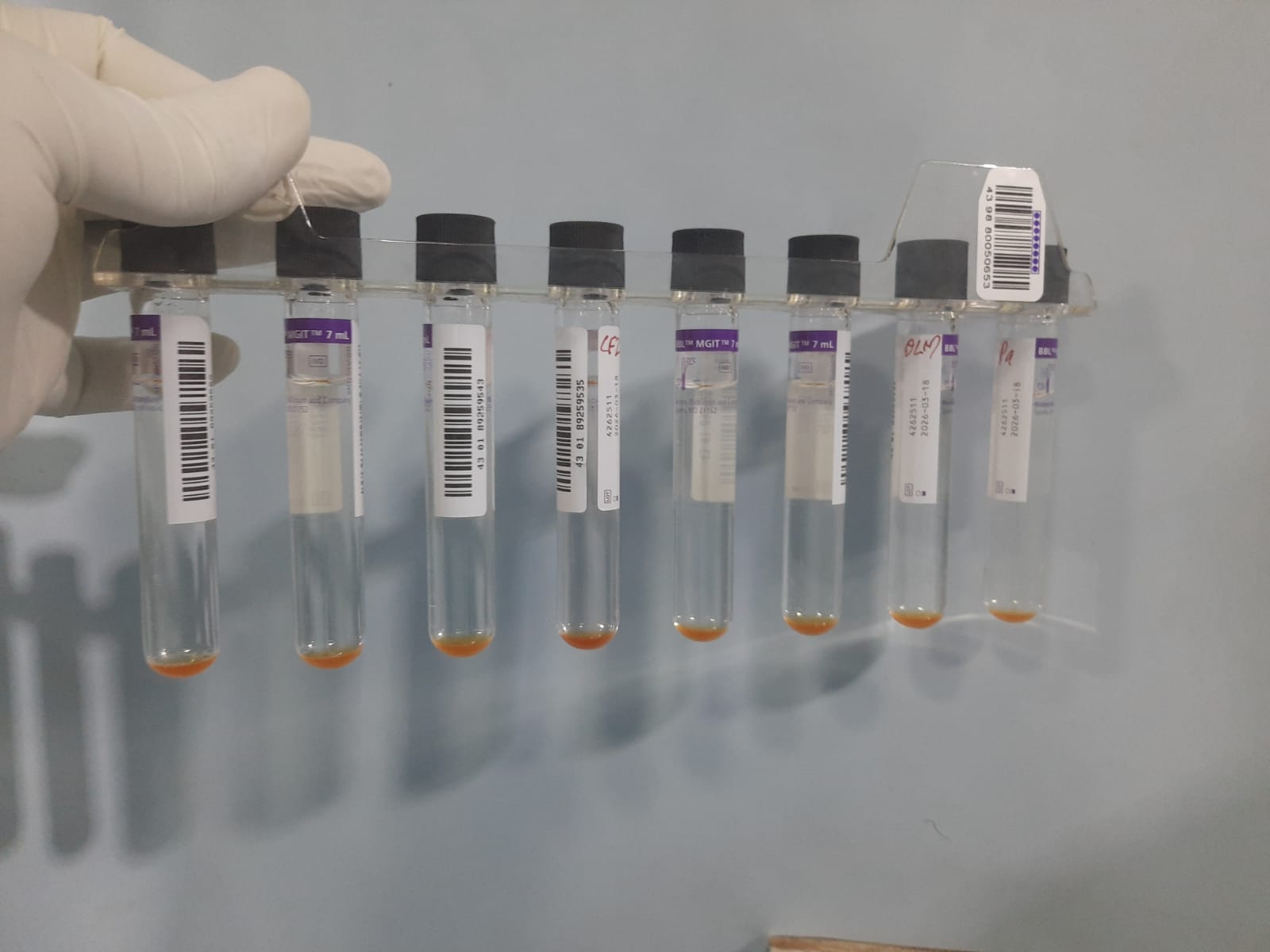
Phenotypic drug susceptibility testing (DST) of Mycobacterium tuberculosis using the BACTEC MGIT 960 system

Introduction Second-line drug susceptibility testing (SL-DST) for tuberculosis is a crucial laboratory procedure designed to detect resistance to anti-TB drugs used when first-line treatment fails (i.e., multidrug-resistant TB – MDR-TB).  Principle SL-DST measures the susceptibility of Mycobacterium tuberculosis to specific agents by determining the Critical …

Read more

Middlebrook 7H9 Broth: Introduction, Composition, Principle, Procedure, Result-Interpretation, Uses, and Keynotes

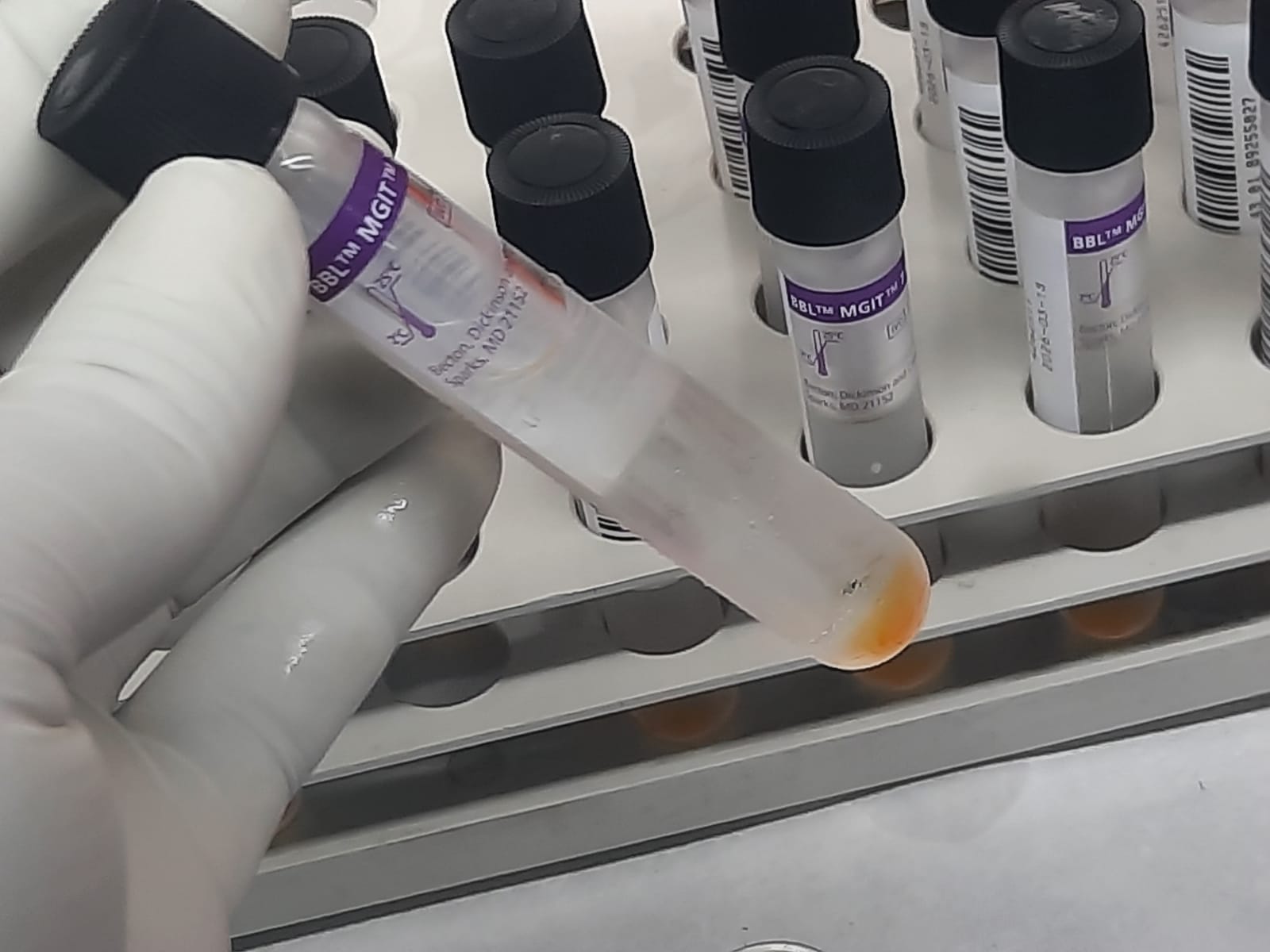
The BBL MGIT tube, showing Modified Middlebrook 7H9 Broth paired with an oxygen-sensitive fluorescent sensor for rapid diagnostic results

Introduction Middlebrook 7H9 broth is a liquid growth medium first described in 1958 by Middlebrook and Cohn for the specialized cultivation of Mycobacterium species. It is widely used in clinical and research settings for rapid growth, biochemical testing, and preparing inocula for drug susceptibility testing …

Read more

PANTA Supplement: Introduction, Composition and Function, Uses, and Keynotes

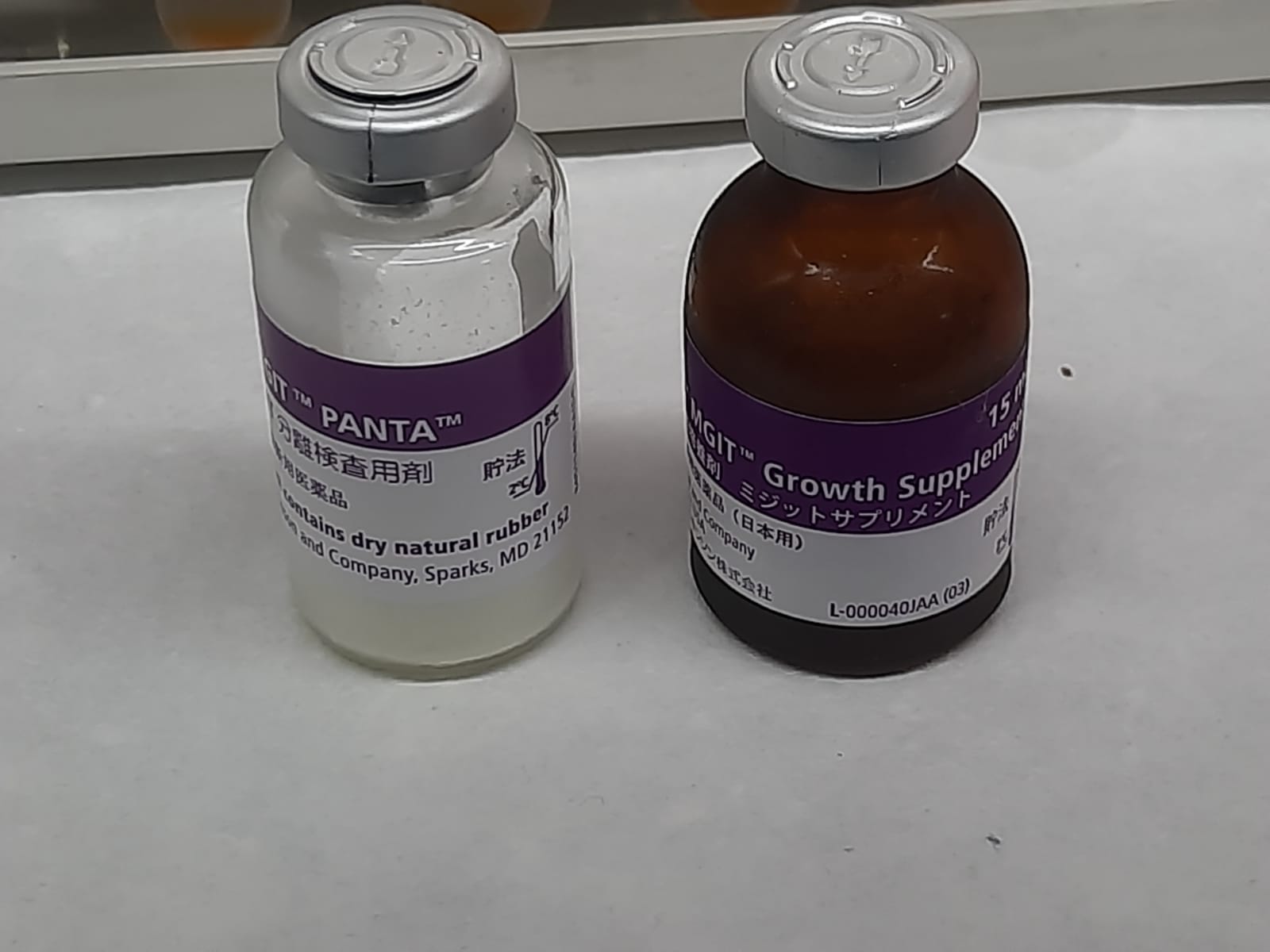
Vials of MGIT PANTA antibiotic supplement and MGIT Growth Supplement for suppressing contamination and enriching Mycobacterium tuberculosis

Introduction In microbiology and Tuberculosis (TB) diagnostics, PANTA is an antimicrobial supplement used to prevent the overgrowth of contaminating microorganisms in liquid culture media. It is primarily used with the BD BACTEC MGIT 960 system.  PANTA is a selective antibiotic cocktail designed for the primary isolation of mycobacteria from …

Read more

Morphological Characterization of MTBC: Identifying “Buff” Granular Growth in MGIT Liquid Culture

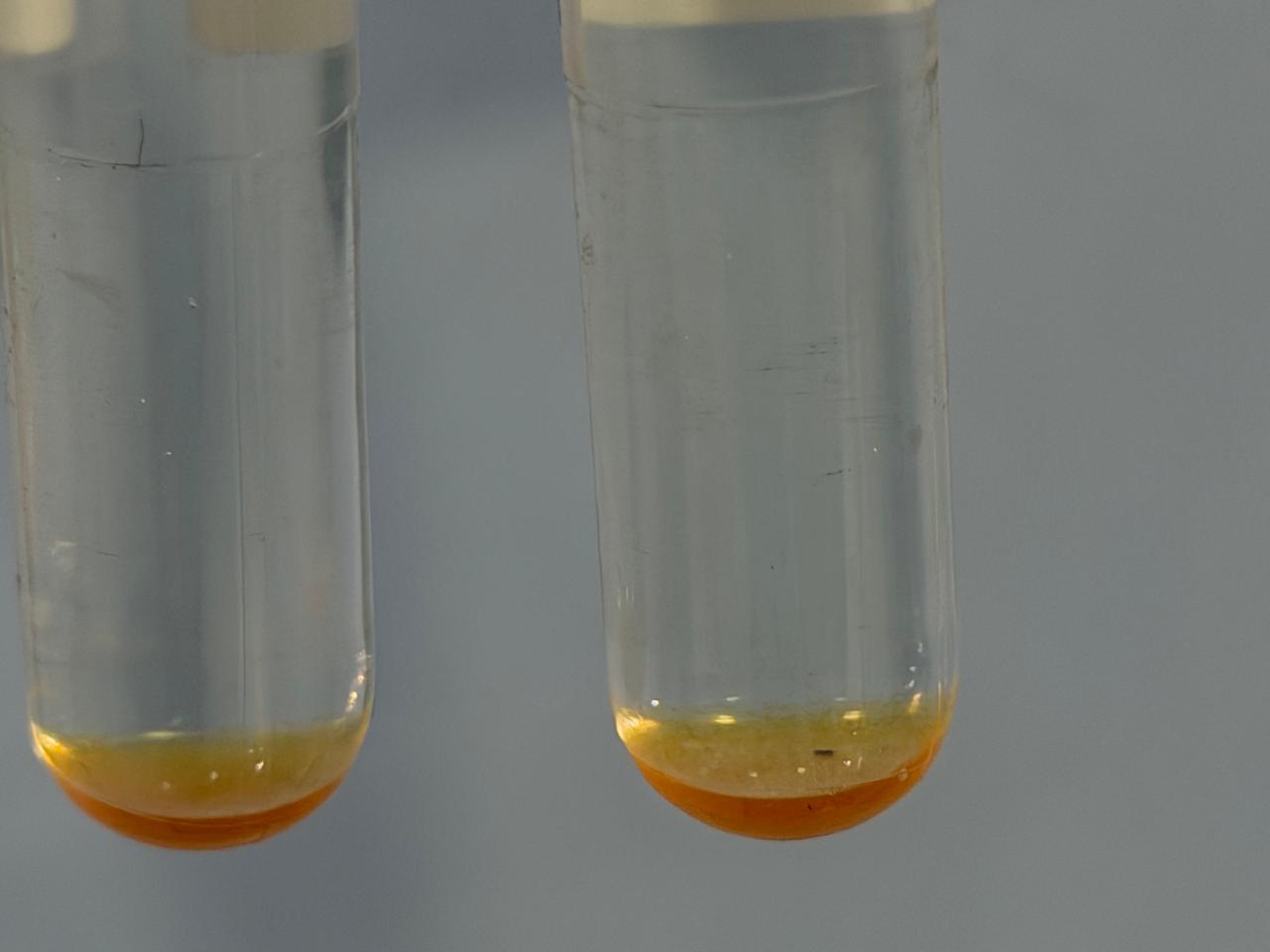
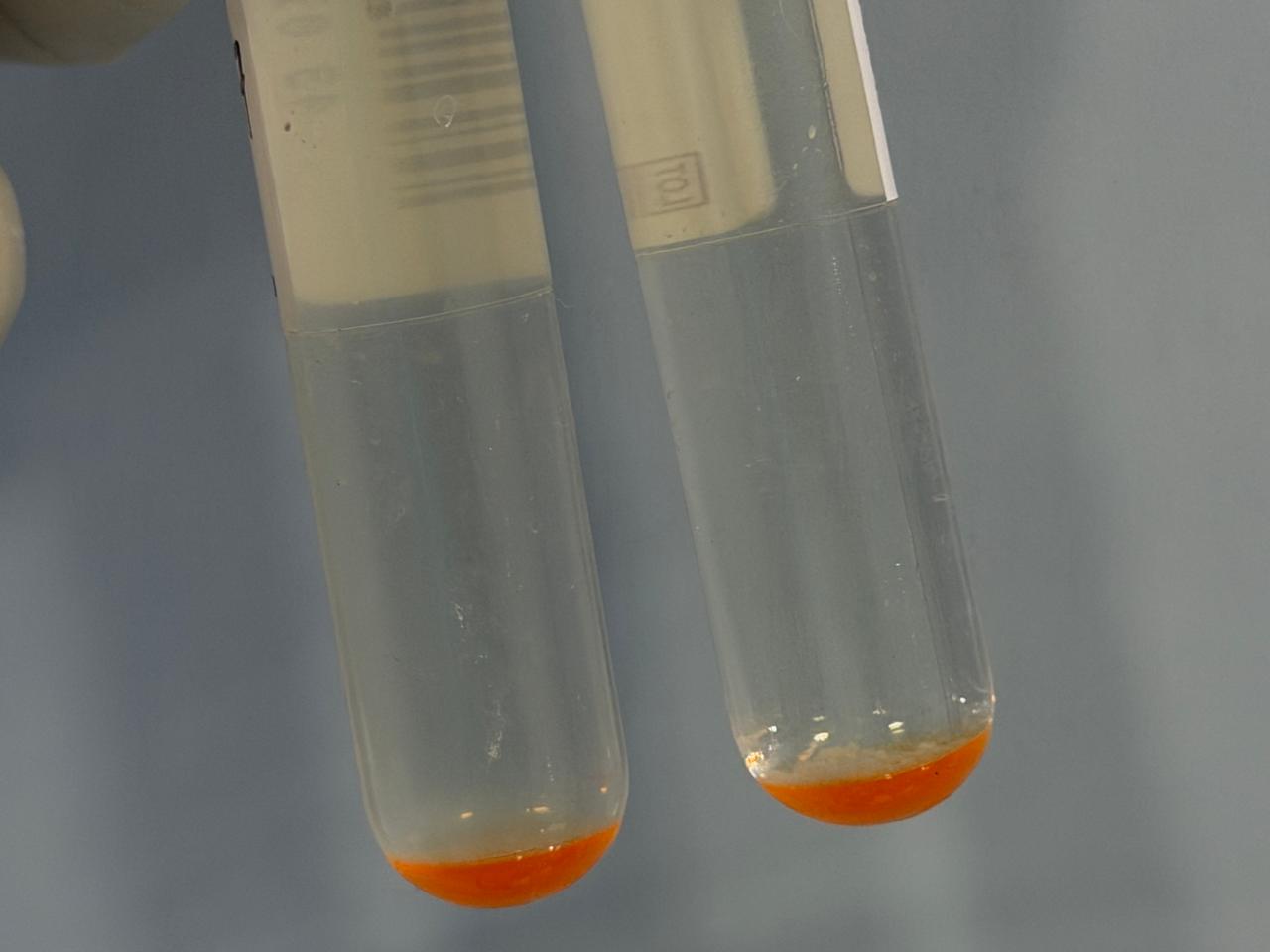
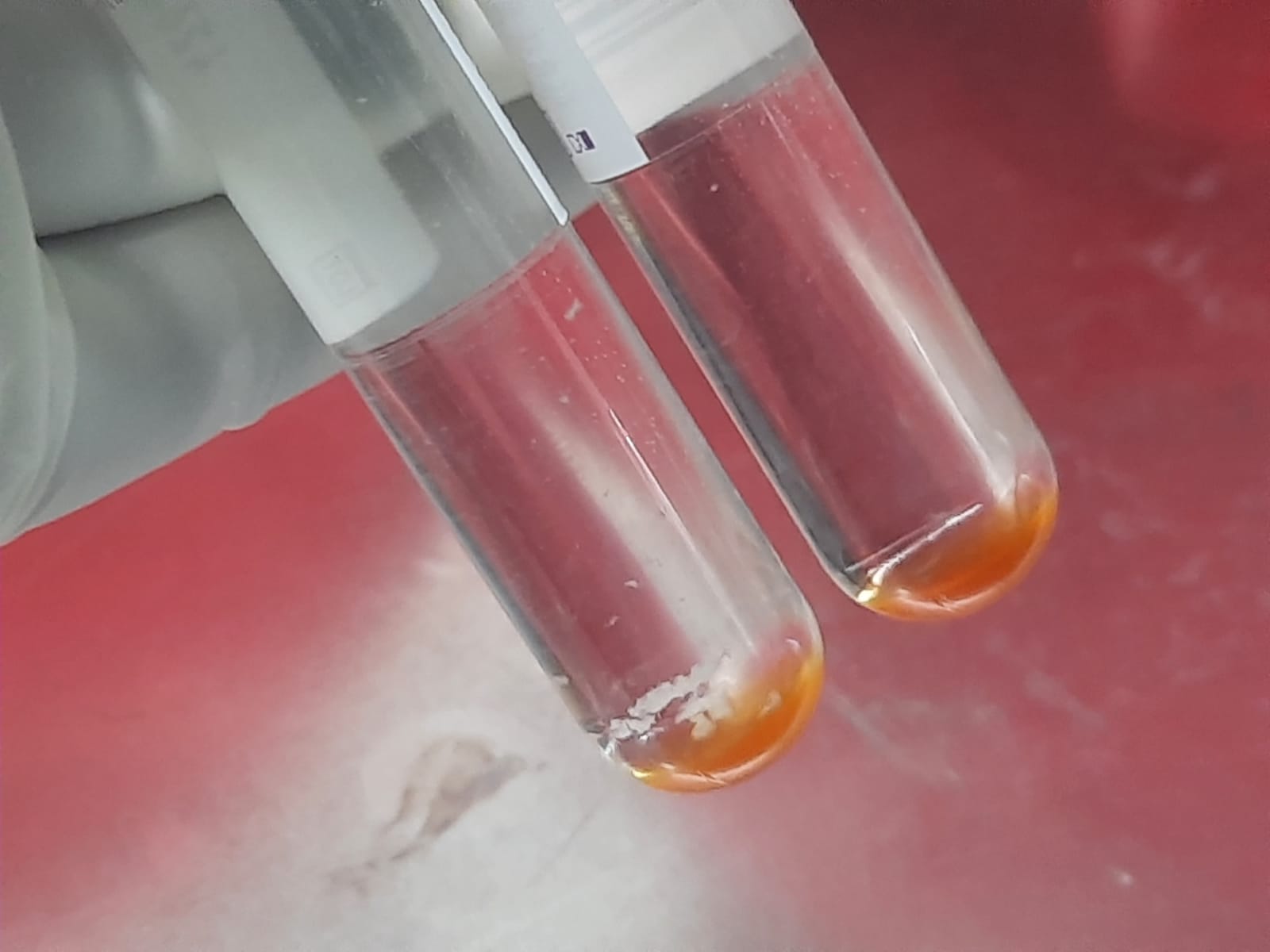
Levofloxacin-resistant MTBC-Left tube-Linezolid sensitive MTBC (right tube)

Visual Observation Technical Interpretation The MGIT Principle: These tubes contain a fluorescent sensor embedded in silicon at the bottom. As the MTBC metabolizes nutrients, it consumes dissolved oxygen. MTBC Characteristics The “buff-colored” (off-white to light yellow) and granular appearance is highly indicative of the M. …

Read more

Mycobacterium tuberculosis complex (MTBC): Introduction, Morphology, Pathogenicity, Lab Diagnosis, Treatment, Prevention, and Keynotes

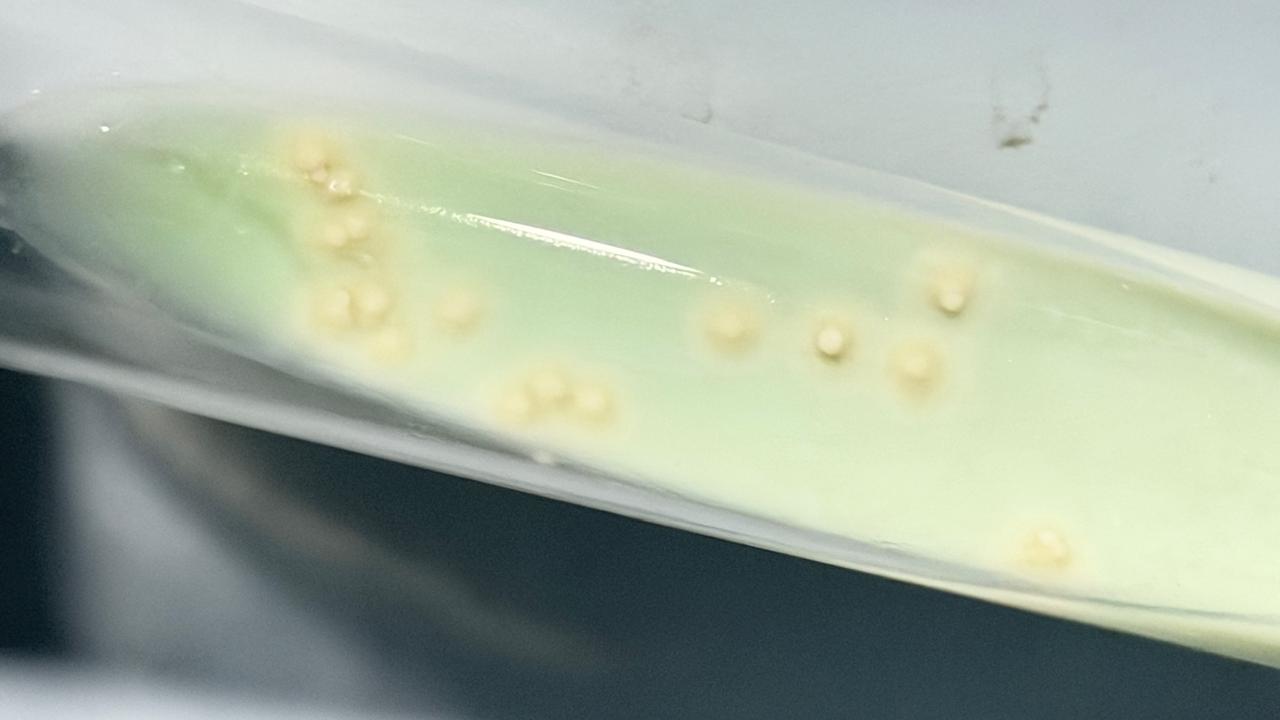
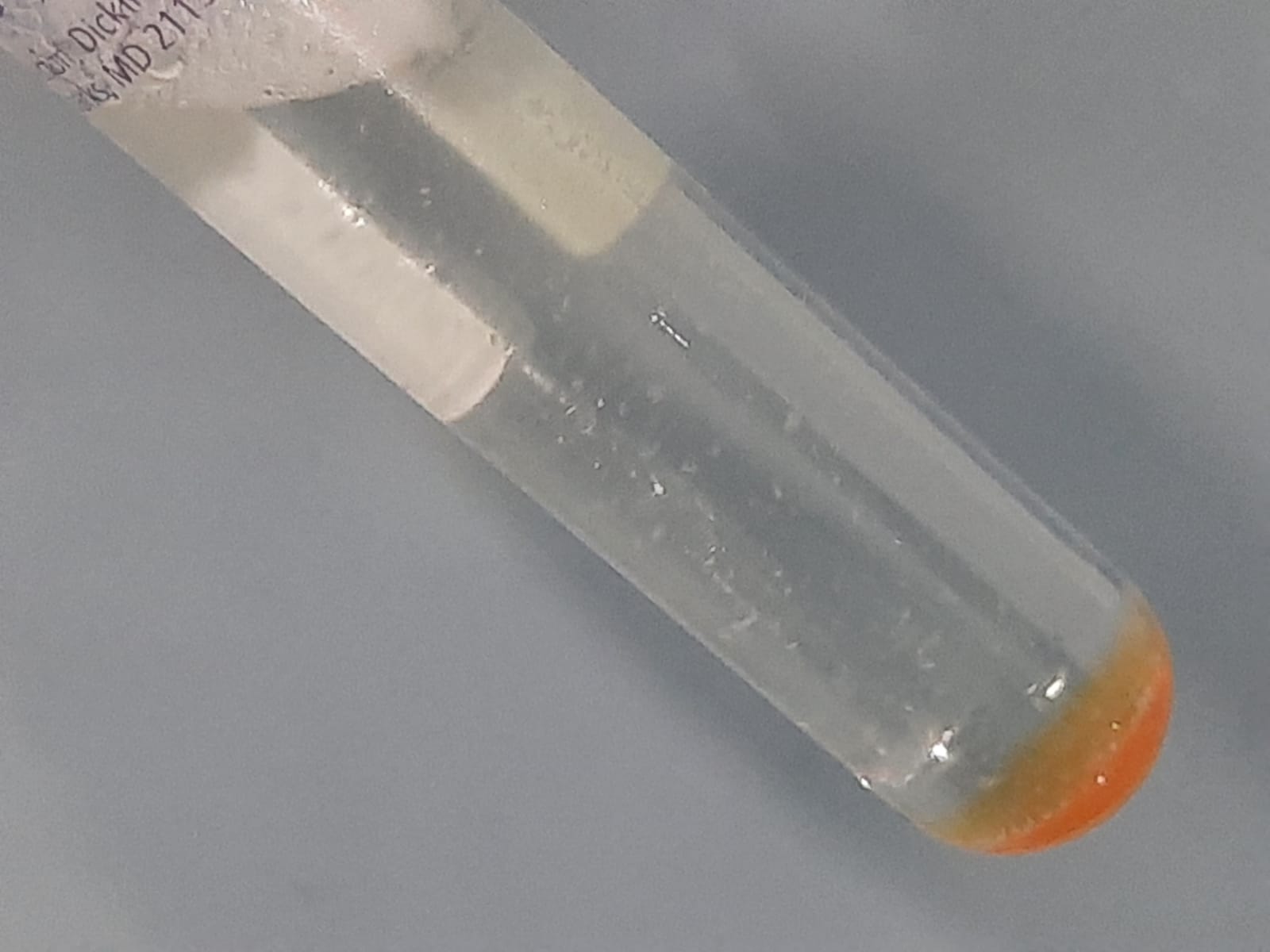
Mycobacterium tuberculosis complex grow on MGIT having modified Middlebrook 7H9 broth with PANTA supplement after 13 days of incubation

Introduction The Mycobacterium tuberculosis complex (MTBC) is a group of genetically related bacterial species that cause tuberculosis (TB) in humans and various animals. While Mycobacterium tuberculosis (sensu stricto) is the primary cause of human tuberculosis, the complex includes several other species with distinct host preferences and geographic distributions.  Morphology …

Read more

Line Probe Assay (LPA) for Tuberculosis -Introduction, Principle, Test Requirements, Procedure, Result-Interpretation, and Keynotes

Introduction The Line Probe Assay (LPA) is a rapid molecular diagnostic test used to detect Mycobacterium tuberculosis complex (MTBC) and its resistance to anti-tuberculosis drugs. It identifies specific mutations in the genes associated with drug resistance by hybridizing amplified DNA onto membrane strips.  The LPA is a …

Read more

Mycobacterium tuberculosis MCQs Quiz-A Simple Set of Questionnaire for Examination

Introduction Below is a set of 15 multiple‐choice questions (MCQs) on Mycobacterium tuberculosis that cover key aspects—from microbiology and diagnosis to treatment and prevention. Each question is followed by four options, with the correct answer indicated afterward. You can use these questions for self‐assessment, classroom …

Read more

Rifampicin Resistant Indeterminate- Introduction, Result, Cause, Implication, and Summary

Rifampicin Resistant Indeterminate result of Mycobacterium tuberculosis

Introduction “Rifampicin resistant indeterminate” refers to an unclear or inconclusive result in testing for resistance to the antibiotic rifampicin, often used in the treatment of tuberculosis (TB). Here’s a breakdown of the term: Rifampicin Resistant Result and Cause Indeterminate Result: This means the test did …

Read more