HDL Cholesterol- Introduction, Test Result, Unit, Reference Range, Test Methods, Clinical Significance, and Keynotes
Table of Contents
HDL cholesterol, often called “good cholesterol,” is vital in maintaining heart and vascular health. Moreover, HDL (High-Density Lipoprotein) removes excess cholesterol, transporting it from the bloodstream back to the liver. In addition, it prevents cholesterol buildup in arteries, reducing the risk of atherosclerosis and cardiovascular diseases. Furthermore, higher HDL levels are associated with better protection against heart attacks and strokes, supporting overall cardiovascular health. Above all, HDL cholesterol reflects the body’s ability to maintain lipid balance, a critical factor for metabolic health. Likewise, healthcare providers use HDL measurements to assess heart disease risk, guiding preventive and therapeutic strategies. Consequently, maintaining optimal HDL levels through lifestyle changes improves heart health, reducing disease complications. Lastly, routine lipid profile tests measure this test, providing valuable insights into an individual’s cardiovascular risk profile.
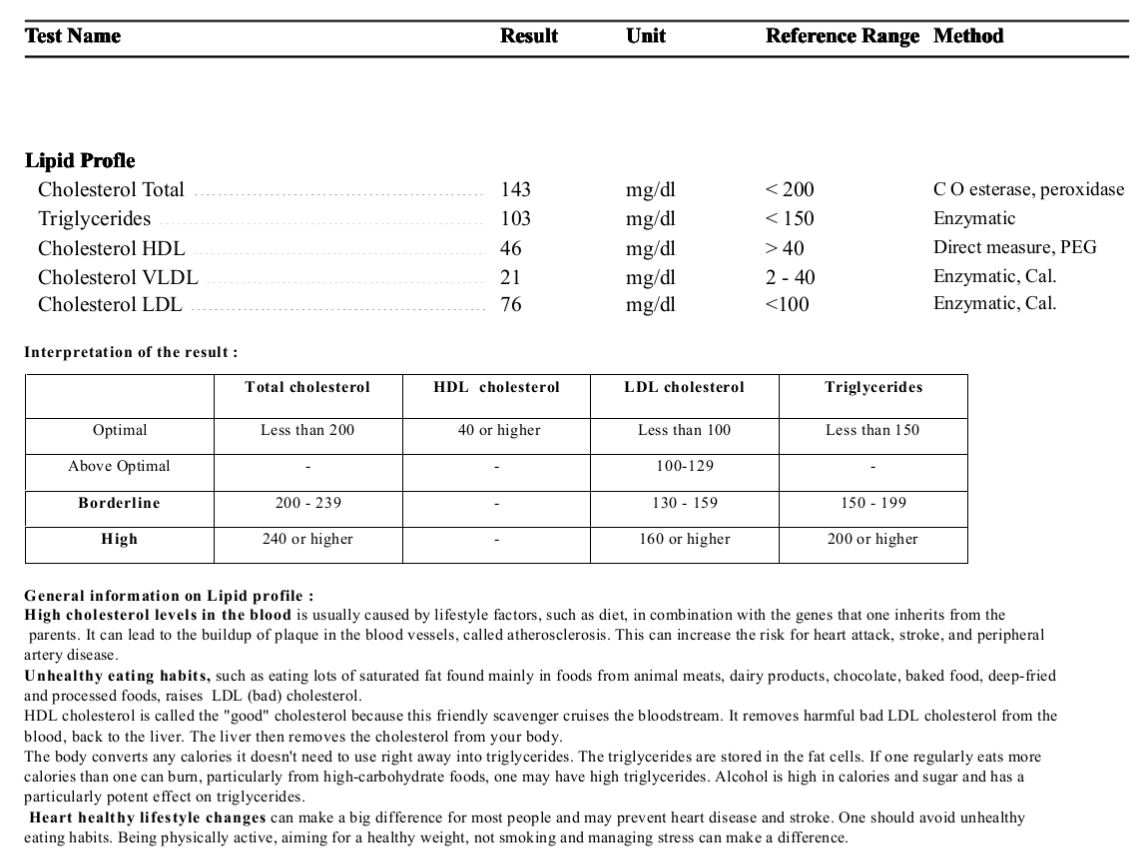
The HDL Cholesterol Test measures the levels of high-density lipoprotein in the blood, reported in milligrams per deciliter (mg/dL). Moreover, the normal reference range for this assay typically falls between 40–60 mg/dL, depending on age and gender. In addition, HDL levels below 40 mg/dL are considered low, increasing the risk of cardiovascular diseases. Conversely, levels above 60 mg/dL are considered protective, lowering the likelihood of heart attacks or strokes. Furthermore, laboratories commonly use enzymatic methods or direct assays, ensuring reliable and accurate HDL measurements. Above all, fasting may be required before the test, especially when performed as part of a complete lipid profile. Likewise, modern automated analyzers provide rapid results, supporting timely clinical decision-making. Consequently, healthcare providers interpret HDL cholesterol levels alongside total cholesterol and LDL, ensuring a comprehensive cardiovascular risk assessment. Lastly, this test remains a critical tool, guiding strategies to improve heart health and prevent complications.
HDL cholesterol plays a crucial role in assessing cardiovascular health and metabolic balance. Firstly, it removes excess cholesterol, transporting it from the bloodstream to the liver for excretion. Moreover, higher HDL levels reduce the risk of atherosclerosis, preventing plaque buildup in arteries. In addition, It protects against cardiovascular diseases, including heart attacks and strokes. Furthermore, it exhibits anti-inflammatory and antioxidant properties, which enhance vascular health. Above all, low HDL levels indicate an increased risk, particularly in individuals with diabetes or metabolic syndrome. Likewise, healthcare providers use HDL measurements to tailor preventive strategies, including lifestyle modifications and medical treatments. Consequently, maintaining optimal HDL levels improves lipid profiles, reducing cardiovascular risk. Lastly, routine monitoring of this test supports early detection and management, promoting long-term heart health and better outcomes.
Introduction Klebsiella aerogenes (formerly known as Enterobacter aerogenes) is a Gram-negative, rod-shaped, motile bacterium belonging…
Introduction and Taxonomy Staphylococcus pseudintermedius is a major veterinary pathogen that serves as a primary…
Introduction 0.5 ng/µL of DNA is detectable and can yield a positive result by PCR.…
Introduction The Quick-DNA™ Fungal/Bacterial Miniprep Kit is designed for the simple and rapid extraction of…
Introduction Kocuria rosea is a Gram-positive, aerobic coccus belonging to the family Micrococcaceae. Formerly classified…
Introduction Taxonomy: Belongs to the kingdom Fungi, phylum Ascomycota, and family Herpotrichiellaceae. Synonyms: Cladophialophora bantiana…