Second-Line Drug Susceptibility Testing (SL-DST) for Tuberculosis:Introduction, Principle, Procedure, Result-Interpretation, and Keynotes
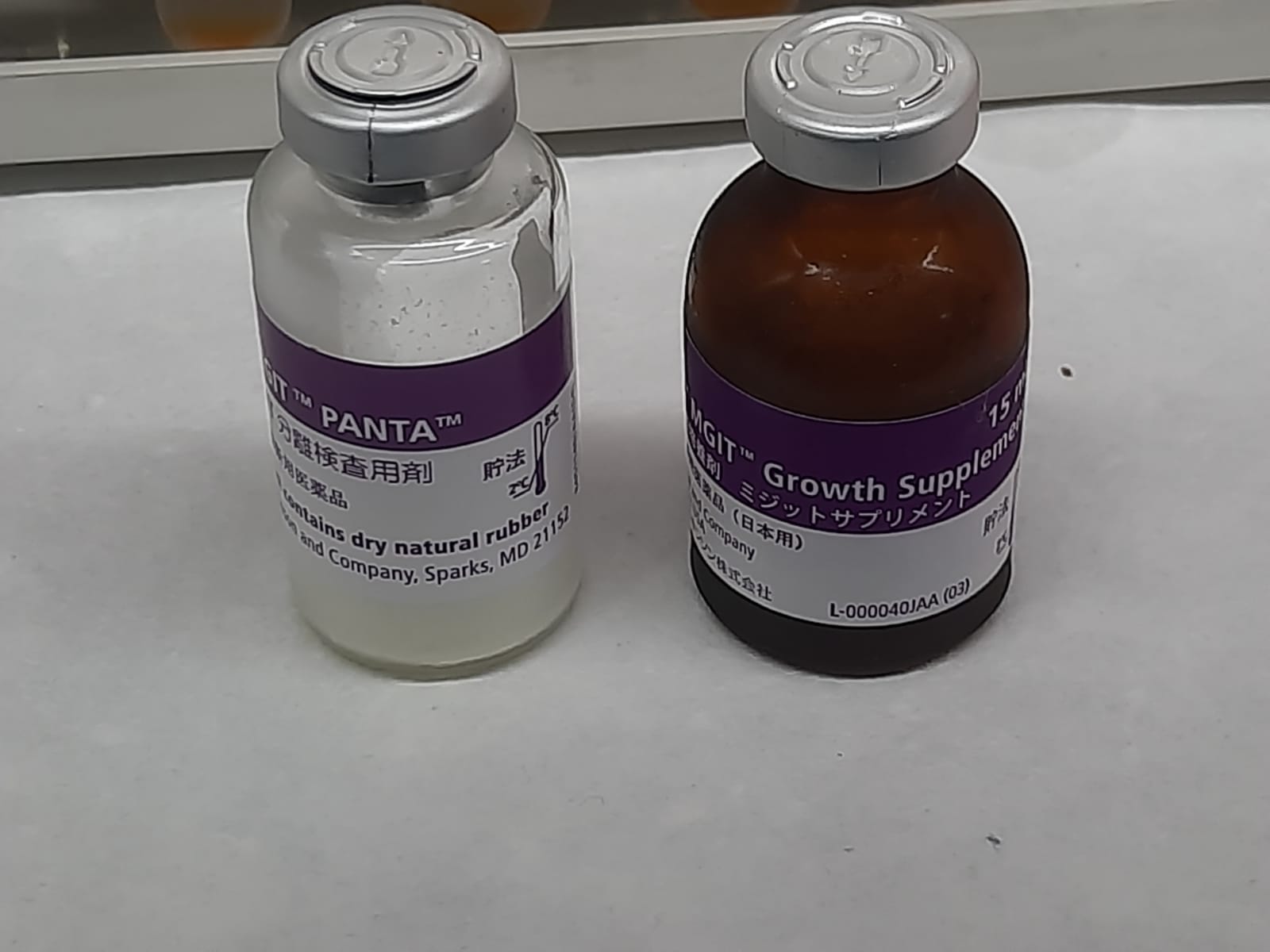
Phenotypic drug susceptibility testing (DST) of Mycobacterium tuberculosis using the BACTEC MGIT 960 system
Introduction
Table of Contents
Second-line drug susceptibility testing (SL-DST) for tuberculosis is a crucial laboratory procedure designed to detect resistance to anti-TB drugs used when first-line treatment fails (i.e., multidrug-resistant TB – MDR-TB).
Purpose: To guide the selection of effective, individualized treatment regimens for patients with rifampin-resistant (RR-TB) or MDR-TB, ensuring improved outcomes and reduced transmission.
Target Drugs: Second-line drugs, primarily Fluoroquinolones (FQ: Levofloxacin, Moxifloxacin), clofazimine (CFZ), and injectable agents (Amikacin, Capreomycin, but now replaced with oral drugs), as well as newer agents like Bedaquiline (BDQ), Linezolid (LZD), Delamanid (DLM), and Pretomanid (Pa),
When to Perform: Recommended for all patients with Rifampicin-resistant TB/MDR-TB.
Methods: Includes phenotypic (culture-based) methods (like MGIT 960, LJ proportion method) and genotypic (molecular) methods (like Line Probe Assay (SL-LPA) or Xpert XDR).
Principle
SL-DST measures the susceptibility of Mycobacterium tuberculosis to specific agents by determining the Critical Concentration (CC)—the lowest concentration of a drug that inhibits at least 95% of wild-type strains.
Phenotypic (Liquid/Solid Culture): The patient’s TB strain is grown in liquid (MGIT) or solid (LJ) media containing specific second-line drug concentrations. If the strain grows, it is considered resistant; if growth is inhibited, it is susceptible.
Genotypic (Molecular): Detects specific genetic mutations known to cause resistance (e.g., gyrA mutations for fluoroquinolones).
Fig. Phenotypic drug susceptibility testing (DST) of Mycobacterium tuberculosis using the BACTEC MGIT 960 system
Sample Collection: Sputum samples from patients with suspected MDR-TB.
Inoculum Preparation: MTB strain is isolated and cultured (usually from a positive primary culture) to a standard concentration.
Inoculation: Inoculum is added to liquid medium (e.g., BACTEC MGIT) containing the drug (e.g., Levofloxacin or Amikacin) and to a control tube (drug-free).
Incubation: The tubes are incubated in an automated system, usually for up to 6–8 weeks.
Monitoring: The system continuously monitors for growth (via fluorescence).
Result Interpretation
Results are generally reported as Susceptible or Resistant.
Susceptible: The growth in the drug-containing tube is less than 100 growth units (GU) or within defined limits, indicating the drug inhibits the bacteria.
Resistant: The growth in the drug-containing tube reaches 100 GU before or at the same time as the growth control tube, indicating the bacteria can grow despite the drug.
Limitations: Phenotypic DST can be slow; however, rapid molecular tests like Xpert XDR provide quick results within hours.
Keynotes
Highest Priority: Testing for Fluoroquinolones (Levofloxacin/Moxifloxacin) is the highest priority among second-line drugs.
Treatment Should Not Wait: Initiating treatment should not be delayed while waiting for DST results, but results should be used to adjust the regimen.
Technical Difficulty: SL-DST is more complex and less reproducible than first-line DST, requiring high-quality laboratory infrastructure.
Cross-Resistance: Resistance to one drug in a class (e.g., Kanamycin) often indicates resistance to others in the same class (e.g., Amikacin).
Quality Control: Stringent quality control is necessary due to the narrow margin between therapeutic and toxic concentrations of many second-line drugs.