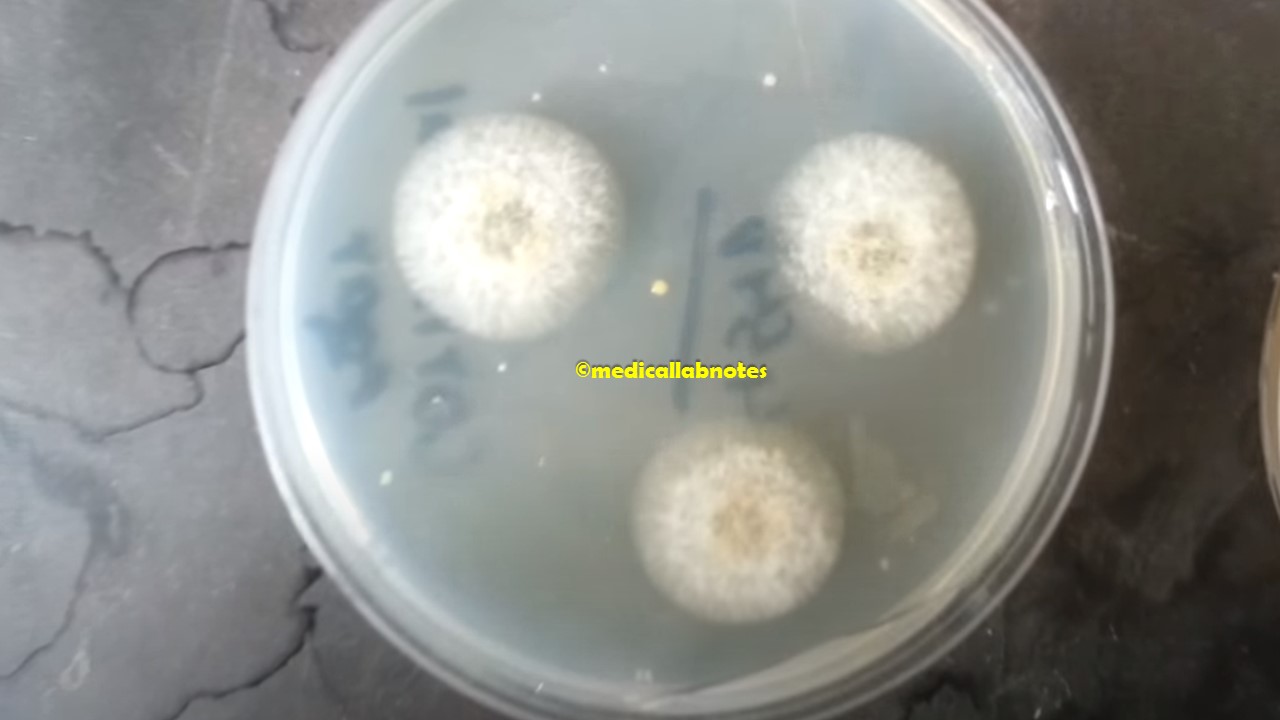
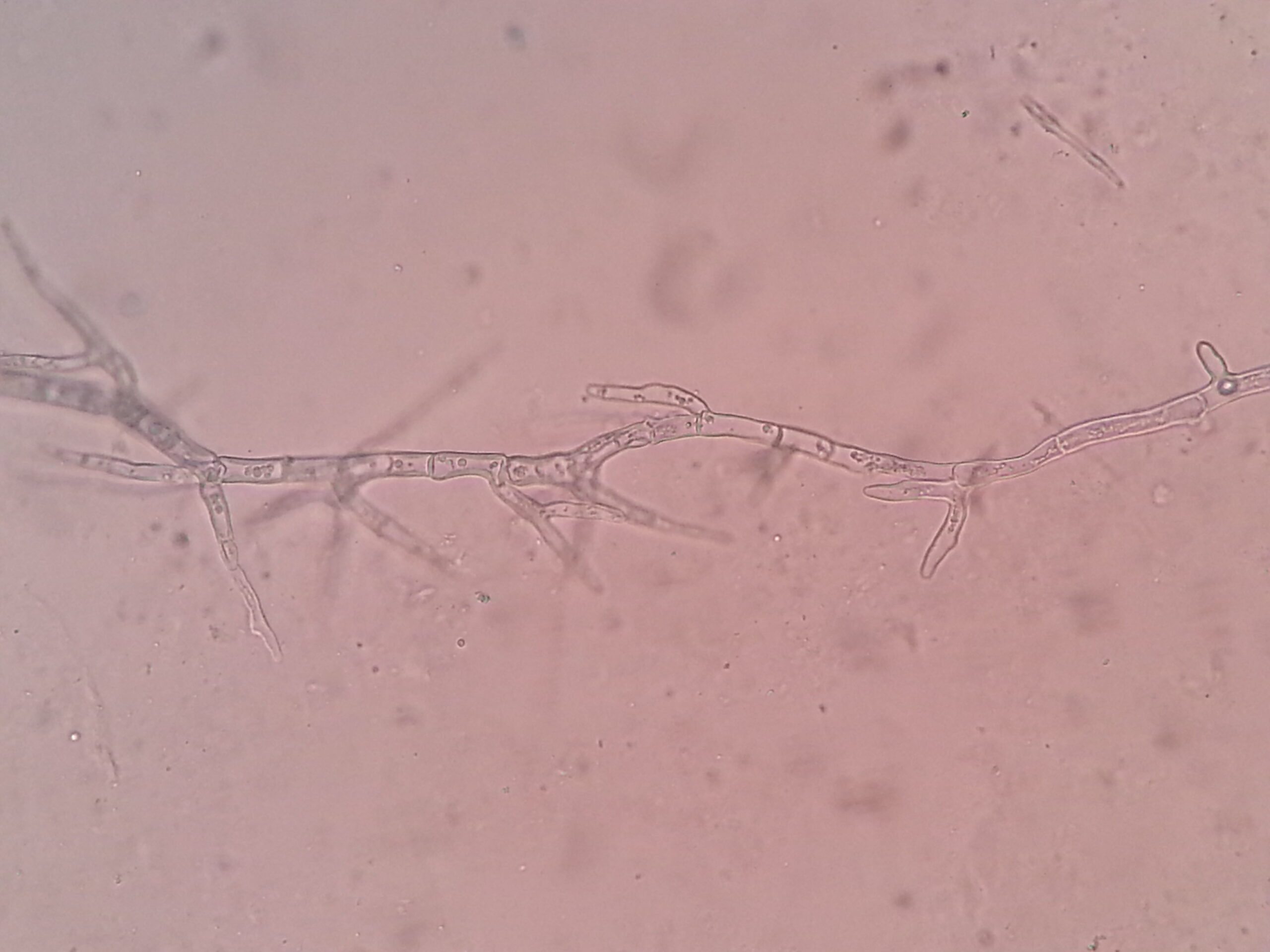
Fungal growth on SDA
Table of Contents
Identifying fungal infections quickly and accurately is a critical challenge in clinical diagnostics. Traditional culture methods can take weeks, often delaying life-saving treatments. Enter the MYCOscreen18 Fungus PCR Panel Kit by Genient—a multiplexed qPCR solution designed to detect and identify 18 clinically relevant fungal pathogens simultaneously.
Whether you are a laboratory professional or a healthcare provider, here is everything you need to know about this advanced diagnostic tool.
The MYCOscreen18 is a qualitative Real-Time PCR (qPCR) kit validated for species-level identification from various human specimens, including nail clippings, nail scrapings, and tissue biopsies. By targeting specific DNA regions and using fluorescent probes, the kit provides results in a fraction of the time required by traditional methods.
The panel is organized into eight “Oligo Mixes,” utilizing four fluorescent channels (FAM, HEX, ROX, and Cy5) to distinguish between pathogens.
| Target Group | Included Species (Selected Examples) |
| Candida Species | C. albicans, C. auris, C. glabrata, C. krusei, C. parapsilosis |
| Aspergillus Species | A. flavus, A. fumigatus, A. niger, A. terreus |
| Dermatophytes | Trichophyton spp., Microsporum canis, Epidermophyton floccosum |
| Others | Fusarium oxysporum, Malassezia furfur, Trichosporon asahii |
Internal Control (IC): To ensure every run is accurate, the kit includes an IC targeting human RNase P. This monitors for sampling adequacy, extraction efficiency, and PCR inhibition.
The MYCOscreen18 is designed for efficiency, with a thermal protocol that takes advantage of rapid cycling:
To maintain the kit’s high sensitivity, the manufacturer emphasizes several critical handling requirements:
In the race against fungal infections, precision and speed are the best allies. The MYCOscreen18 Fungus PCR Panel Kit provides a robust, validated, and highly specific pathway to species-level identification, ensuring that clinicians can move from “suspected infection” to “targeted treatment” faster than ever before.
Introduction 0.5 ng/µL of DNA is detectable and can yield a positive result by PCR.…
Introduction The Quick-DNA™ Fungal/Bacterial Miniprep Kit is designed for the simple and rapid extraction of…
Introduction Kocuria rosea is a Gram-positive, aerobic coccus belonging to the family Micrococcaceae. Formerly classified…
Introduction Taxonomy: Belongs to the kingdom Fungi, phylum Ascomycota, and family Herpotrichiellaceae. Synonyms: Cladophialophora bantiana…
Introduction Rothia is a genus of Gram-positive cocco-bacilli belonging to the Micrococcaceae family. The major…
Introduction Viral Nucleic Acid Extraction Kits are specialized laboratory tools used to isolate high-quality viral…