
Introduction
Table of Contents
A biphasic medium is a culture system that combines both liquid (broth) and solid (agar) phases in the same container (usually a bottle or tube). It is designed to enhance microbial recovery by leveraging the advantages of both media types in one setup.


Applications
- Blood culture systems (e.g., Castaneda’s medium for Brucella isolation)
- Isolation of fastidious bacteria (e.g., Mycobacterium tuberculosis, Brucella)
- Used in automated blood culture bottles in some manual systems
- Ideal for organisms that grow in both broth and agar environments
- Diagnostic microbiology and clinical pathology
Merits
- Combines enrichment and isolation in one step
- Facilitates quicker colony formation than separate media
- Enables direct subculturing from broth to agar
- Useful in low-resource settings where culture transfer may be delayed
- Less contamination due to the sealed bottle system
Demerits
- Costlier than single-phase media
- Not suitable for strict anaerobes unless modified
- Difficult to observe colony morphology clearly in some cases
- If overused, it may allow overgrowth of contaminants in the broth phase
- Requires careful aseptic handling to avoid back-contamination
Keynotes
- Biphasic media are used for enhanced isolation of bacteria, especially in blood and sterile fluids.
- Castaneda’s medium is a classic biphasic setup used for Brucella isolation.
- Commonly used in manual blood culture systems.
- Combines the liquid phase (supporting growth) and the solid phase (supporting colony isolation).
- Important in slow-growing pathogens where subculture timing is crucial.
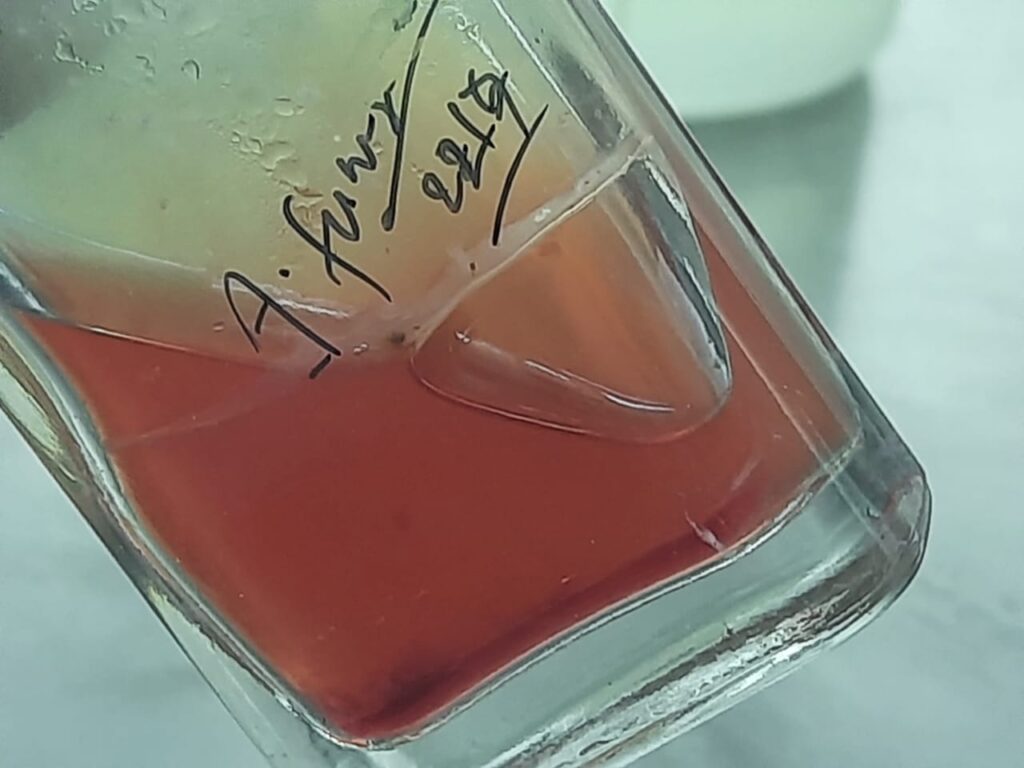
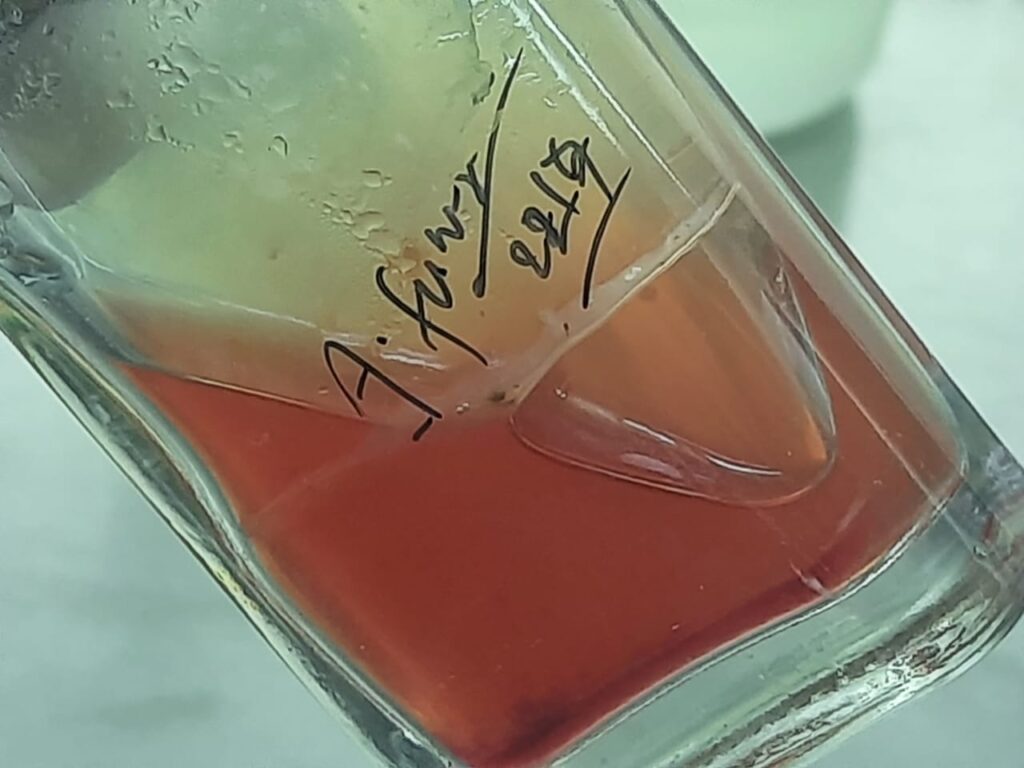
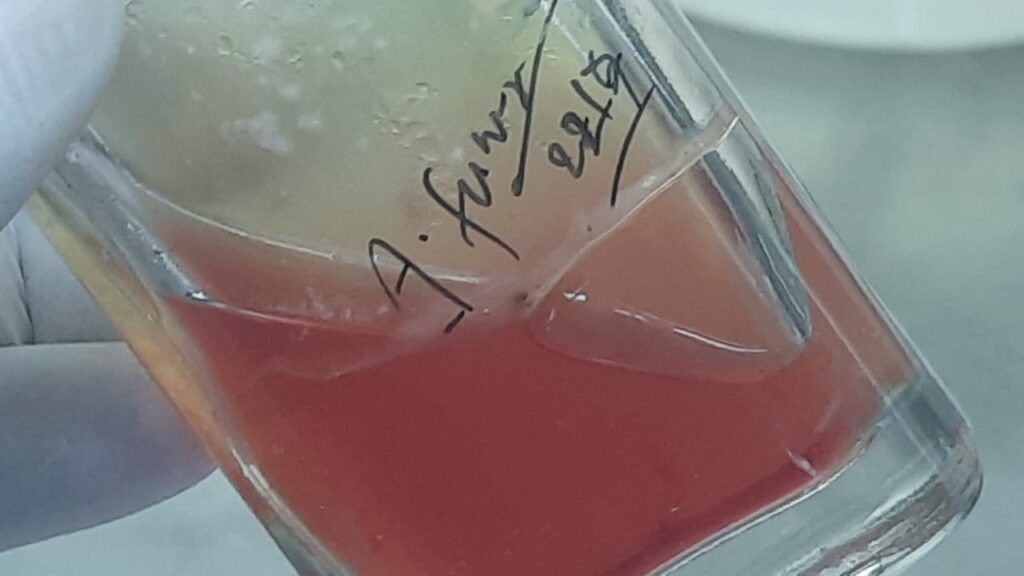
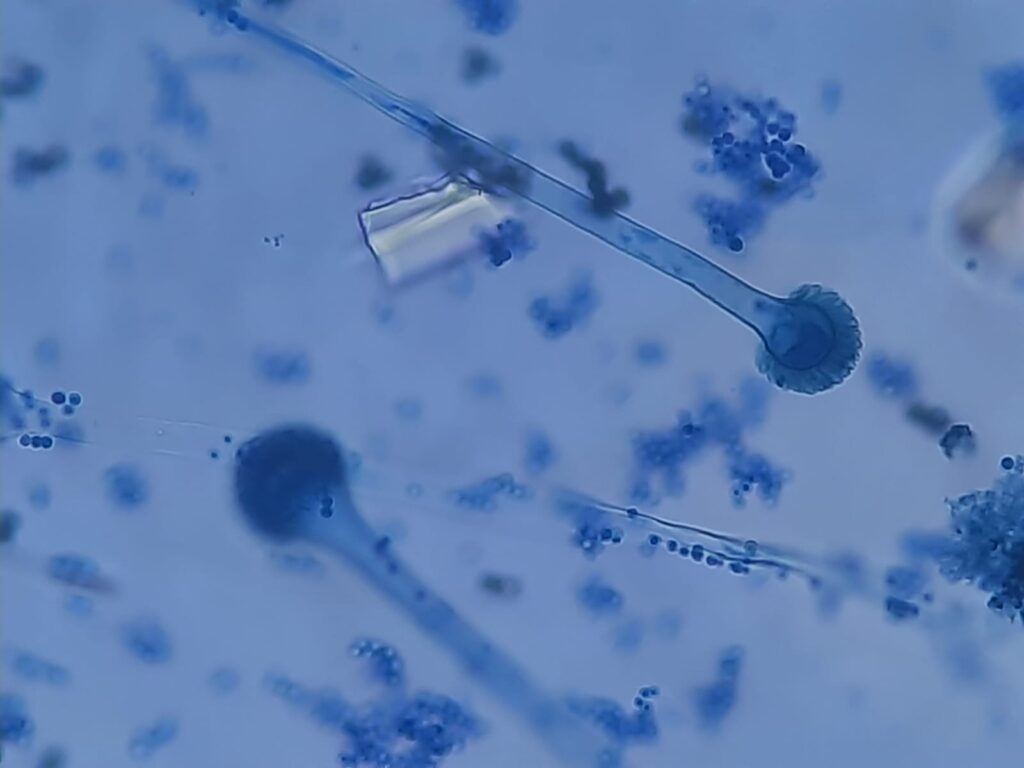
Surface Growth: A fluffy to cottony white colony is observed initially on the agar slope, later turning blue-green to grayish-green as conidia mature. Submerged Growth: The liquid portion appears turbid or with floating fungal balls/mycelial clumps. Sometimes a mat of fungal growth forms at the interface of liquid and solid phases. Pigmentation: No distinct diffusible pigment is produced in the liquid phase, but the agar slope demonstrates typical fumigatus colony color after sufficient incubation. It was later phenotypically confirmed with the LPCB tease mount microscopy of this culture.
Further Readings
- https://pubmed.ncbi.nlm.nih.gov/34586515/
- https://en.pasteur-prc.ir/Blood-Culture-Medium-(Biphasic-Culture-Medium)
- https://www.wjpmr.com/download/article/108042023/1682748881.pdf
- https://www.mdpi.com/2079-6382/13/6/563
- https://ontosight.ai/glossary/term/biphasic-blood-culture-media-reagents-overview–679d8dc438099fda3cfc3c17
- https://www.sciencedirect.com/science/article/pii/S1369703X23000682
- https://www.mdpi.com/2079-6382/13/6/563
- https://journals.innovareacademics.in/index.php/ajpcr/article/download/10220/5028