SIRE Supplement: Introduction, Composition and Function, Uses, and Keynotes

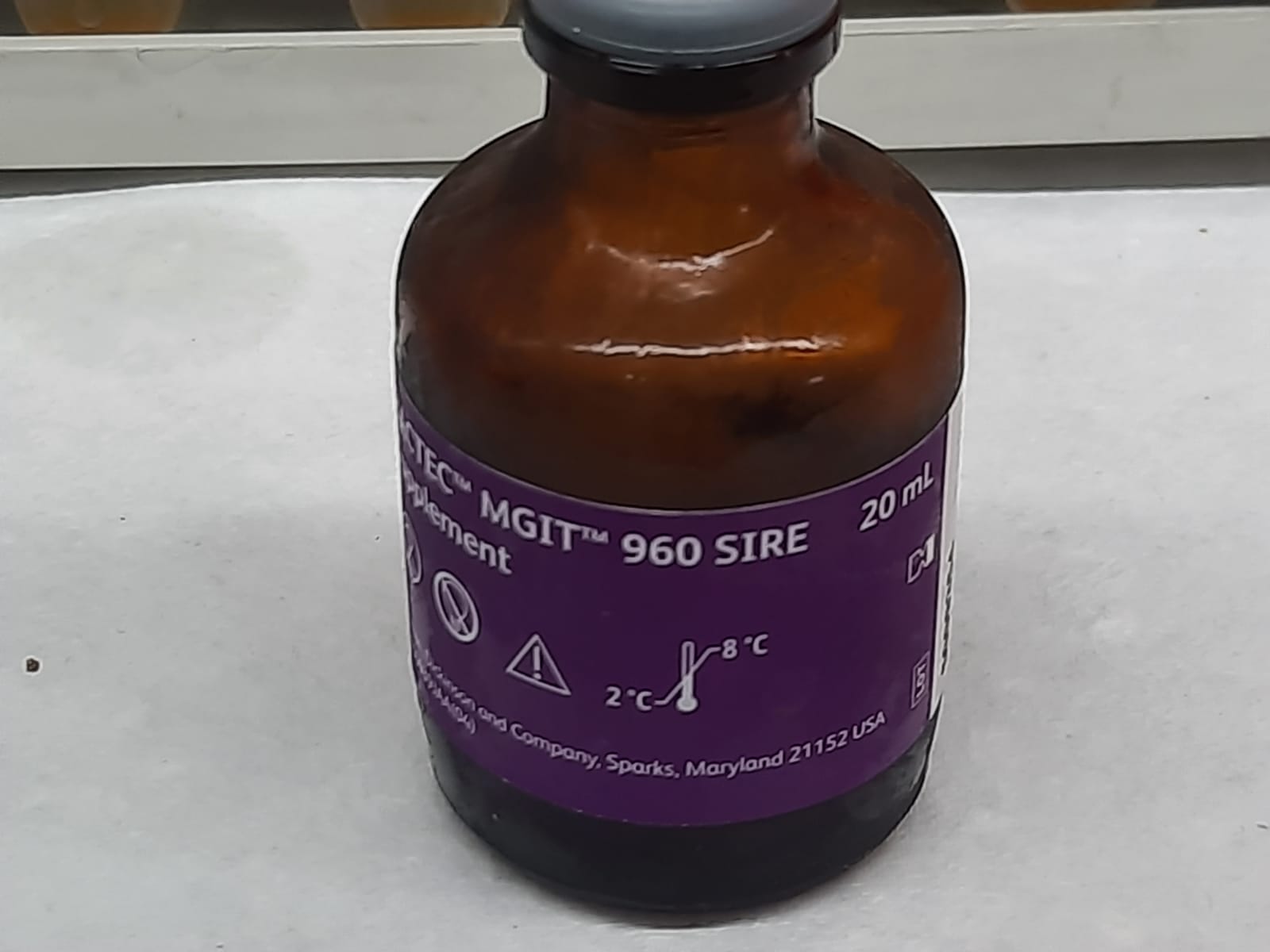
A 20 ml vial of BACTEC™ MGIT™ 960 SIRE supplement, designed for drug susceptibility testing of Mycobacterium tuberculosis

Introduction The BACTEC™ MGIT™ 960 SIRE Supplement is an essential enrichment used specifically for drug susceptibility testing (DST) of Mycobacterium tuberculosis in the BD BACTEC™ MGIT™ automated system.  The SIRE supplement is part of the MGIT™ 960 SIRE Kit. It is added to MGIT™ tubes along with specific first-line anti-TB drugs …

Read more

OADC Supplement: Introduction, Composition and Function, Uses, and Keynotes

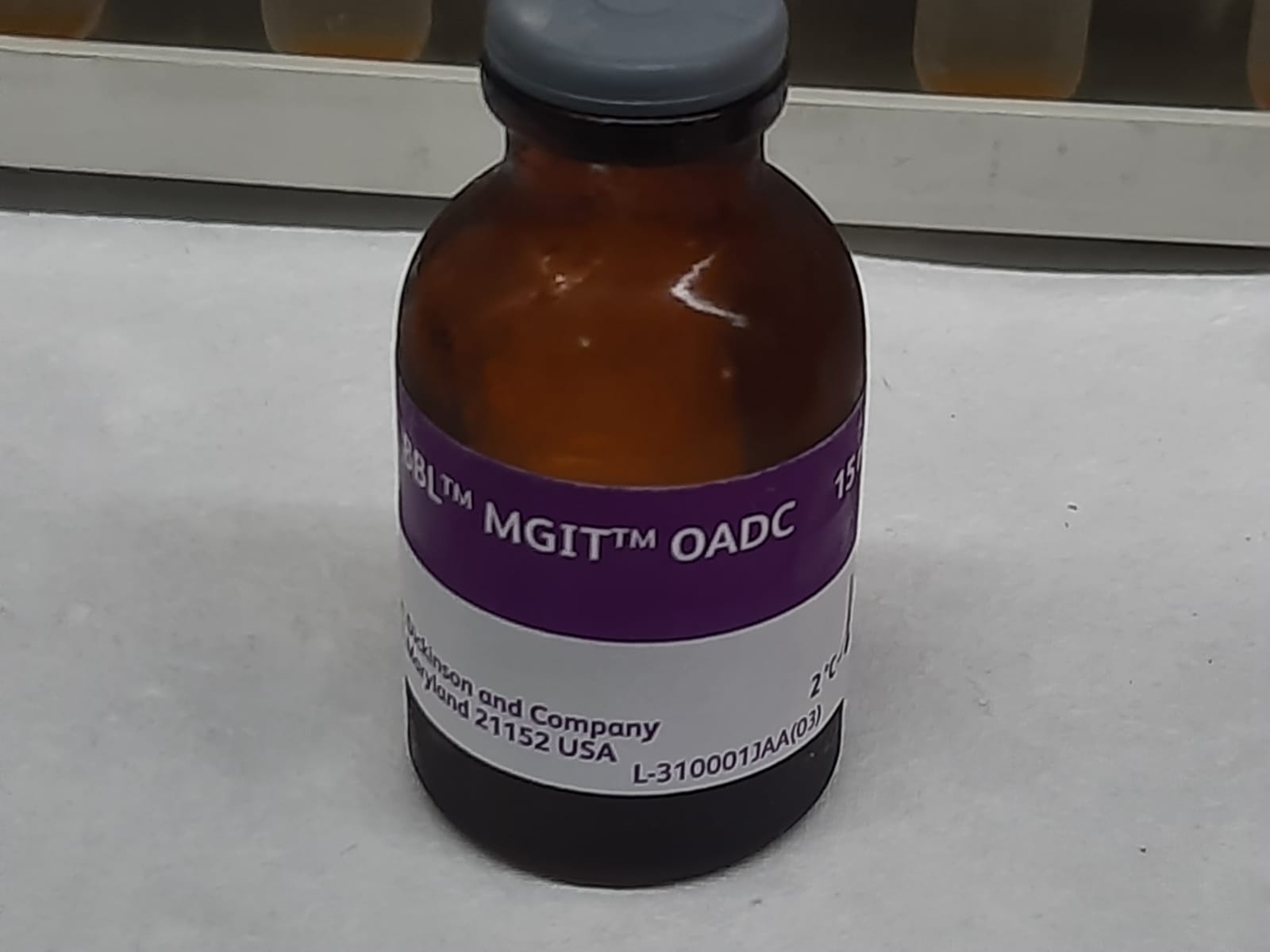
A 15 ml vial of BBL™ MGIT™ OADC enrichment supplement used for the cultivation of Mycobacterium species.

Introduction Middlebrook OADC Growth Supplement is a vital enrichment used in microbiology to support the fastidious growth of Mycobacterium species. Its name is an acronym for its primary components: Oleic Acid, Albumin, Dextrose, and Catalase. OADC is a sterile liquid or lyophilized supplement designed to enhance the performance of Middlebrook media, such as 7H9 …

Read more

PANTA Supplement: Introduction, Composition and Function, Uses, and Keynotes

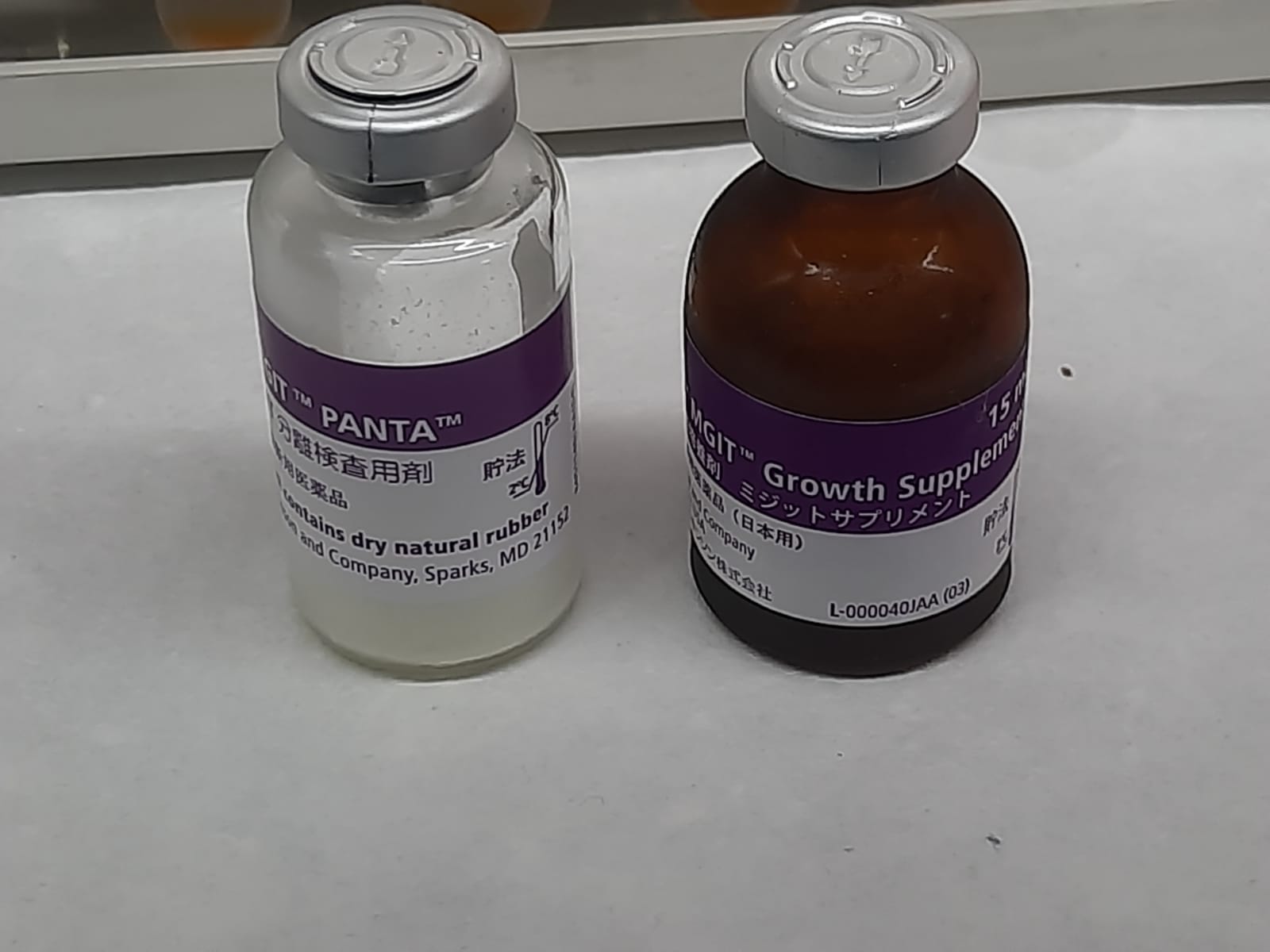
Vials of MGIT PANTA antibiotic supplement and MGIT Growth Supplement for suppressing contamination and enriching Mycobacterium tuberculosis

Introduction In microbiology and Tuberculosis (TB) diagnostics, PANTA is an antimicrobial supplement used to prevent the overgrowth of contaminating microorganisms in liquid culture media. It is primarily used with the BD BACTEC MGIT 960 system.  PANTA is a selective antibiotic cocktail designed for the primary isolation of mycobacteria from …

Read more

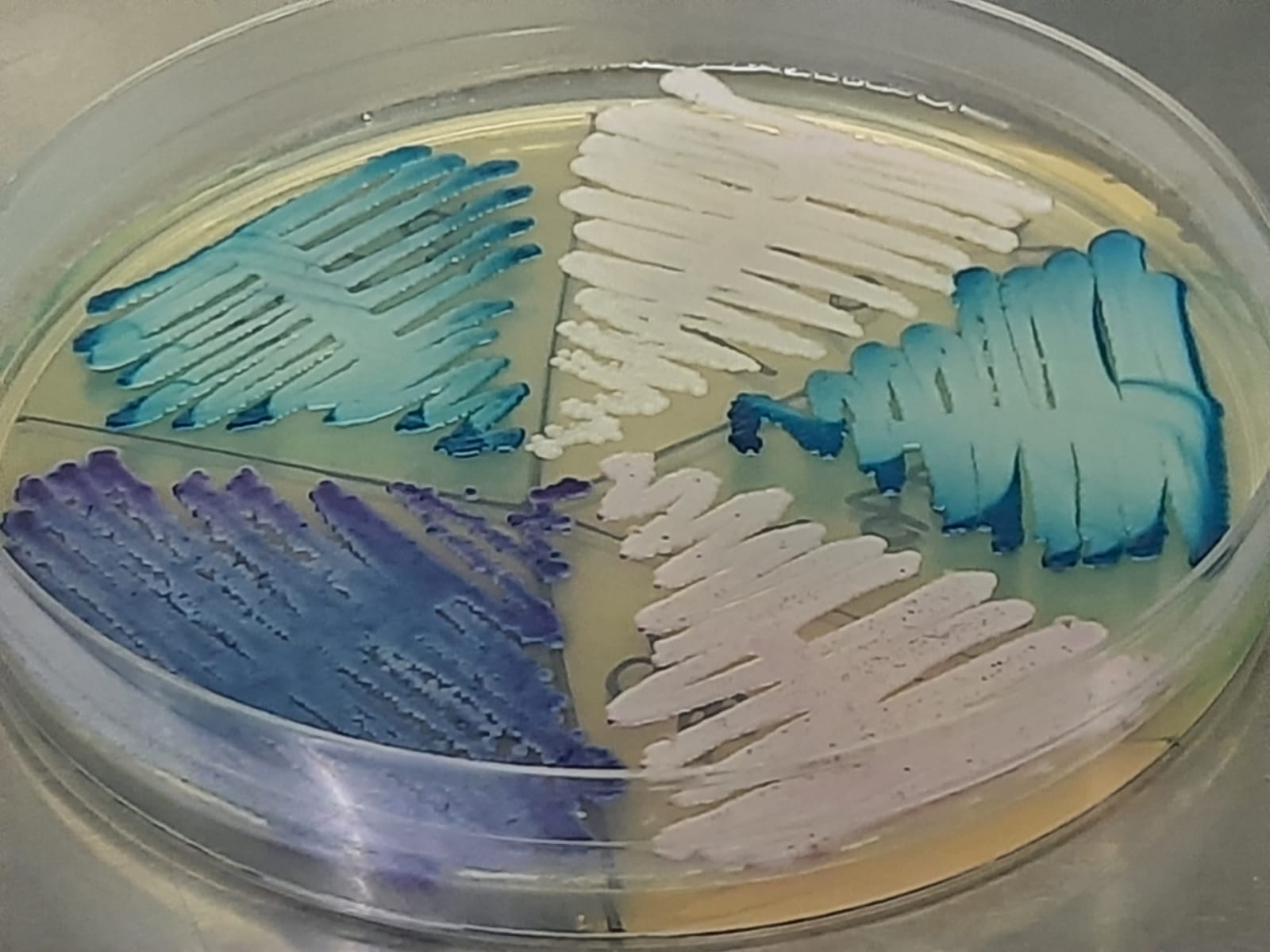
HiCrome Candida Differential Agar: Introduction, Principle, Test Requirement, Procedure, Result-Interpretation, and Keynotes

Various Candida species growth on HiCrome Candida Differential Agar after 4 days of incubation

Introduction HiCrome™ Candida Differential Agar is a specialized chromogenic medium used in clinical microbiology for the rapid isolation and presumptive identification of Candida species. The medium is designed to differentiate between major Candida species—Candida albicans, Candida tropicalis, Candida krusei (Pichia kudriavzevii), and Candida glabrata—based on colony color and morphology within 48 hours. …

Read more

Serpentine Cord: Introdction, Clinical Significance, and Keynotes

Serpentine cord or Cord factor or Trehalose dimycolate,TDM of Mycobacterium tuberculosis complex (MTBC) in Ziehl-Neelsen Staining of modified Middlebrook 7H9 Broth at a magnification of 1600X

Introduction Clinical Significance Keynotes Further Readings

Biological Indicator (Bionova BT20) for Autoclave Sterilization Validation:Introduction, Application, and Keynotes

These Bionova BT20 biological indicators are used to monitor the effectiveness of steam sterilization (autoclave) cycles. Each vial contains a spore suspension of Geobacillus stearothermophilus in a nutrient medium with a pH indicator dye. The purple vial indicates successful sterilization (no spore growth-left vial).The yellow vial indicates failed sterilization (spore germination and acid production changing the color to yellow-right vial).

Introduction Bionova BT20 Biological Indicators (BIs) are specialized tools used to verify the efficiency of steam sterilization (autoclaving) in laboratories, hospitals, and industrial settings. Each indicator vial contains a defined population of Geobacillus stearothermophilus spores, known for their high resistance to moist heat. During an …

Read more

Yeast Identification by Chromogenic Media: Introduction, Principle, Clinical Significance, and Keynotes

Yeast Identification by Chromogenic Media (HiMedia)

Introduction of Yeast Identification by Chromogenic Media (HiMedia) Opportunistic yeasts, especially Candida species, are frequent causes of infections ranging from superficial candidiasis to life-threatening systemic disease. Conventional identification based on culture and biochemical tests can be time-consuming and may not reliably distinguish closely related species. …

Read more

Autoclave Tape-Introduction, Principle, Testing Procedure, Result-Interpretation, and Keynotes

Autoclave tape before autoclaving

Introduction Autoclave tape is a commonly used chemical indicator in microbiology and clinical laboratories to monitor sterilization by steam autoclaves. It provides a visual confirmation that the materials have been exposed to specific sterilization conditions. While it does not prove sterility, it is an essential …

Read more