Bio-Incubator: Introduction, Application, and Keynotes

This Bio-Incubator provides a stable environment for the growth and incubation of microbial cultures, enzymatic reactions, and biological assays. The display screen shows the process status as “FINISHED” with a temperature reading of 27.2°C, indicating the incubation cycle is complete. It is commonly used in clinical, molecular, and research laboratories for applications such as culture incubation, spore testing, and enzyme activation.

Introduction A Bio-Incubator is a laboratory device designed to provide a controlled environment of temperature, humidity, and time for the growth and maintenance of microbial cultures, cell lines, and biological reactions. It is an essential tool in microbiology, molecular biology, biotechnology, and clinical diagnostics.By maintaining …

Read more

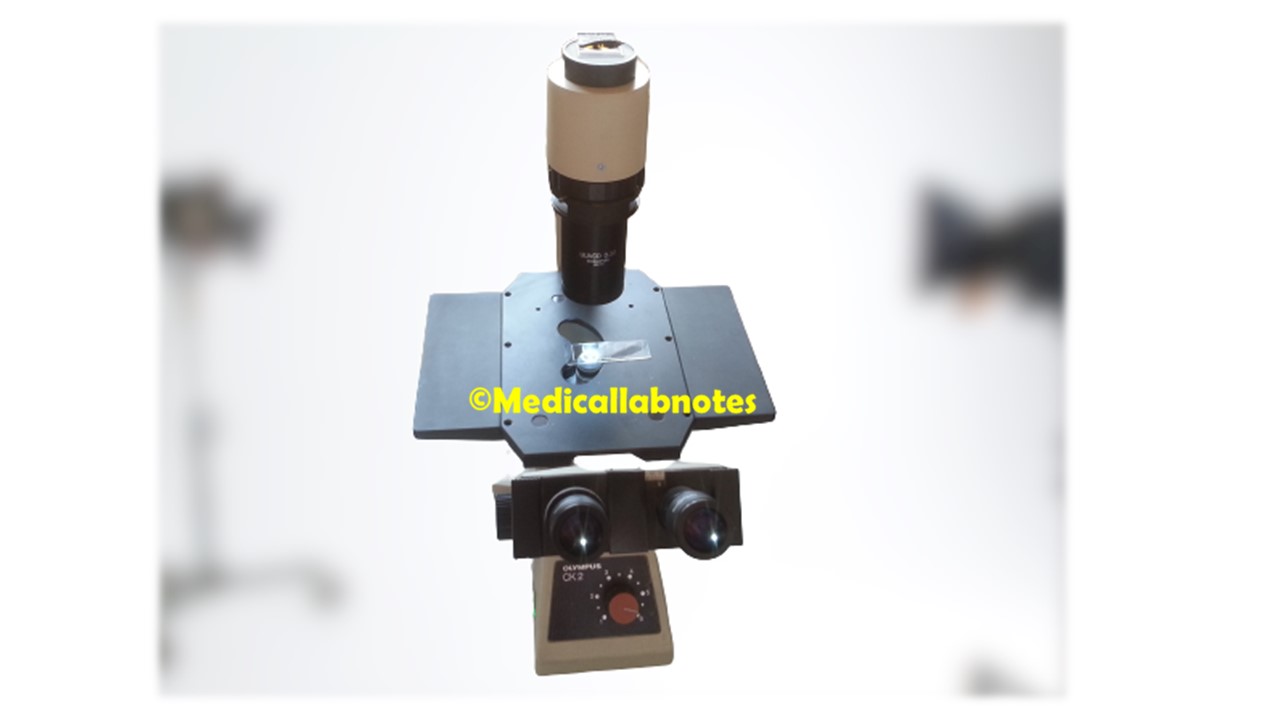
Inverted Microscope: Introduction, Principle, Parts, Uses, Care and Maintenance, and Keynotes

Inverted Microscope: Introduction, Principle, Parts, Uses, Care and Maintenance, and Keynotes

Introduction An inverted microscope is a specialized optical instrument that revolutionizes the way we observe and study biological specimens, live cells, and other materials in a liquid medium. Unlike conventional microscopes, where the objective lens is above the specimen, the inverted microscope ingeniously flips this …

Read more

Chlamydia pneumoniae: Introduction, Morphology, Pathogenicity, Lab Diagnosis, Treatment, Prevention, and Keynotes

Introduction Chlamydia pneumoniae, also known as Chlamydophila pneumoniae, is a species of bacteria that belongs to the Chlamydiaceae family. It is an obligate intracellular pathogen, meaning it can only survive and replicate inside the cells of its host. It primarily infects the respiratory system, causing …

Read more

Chlamydia trachomatis: Introduction, Morphology, Pathogenicity, Lab Diagnosis, Treatment, Prevention, and Keynotes

Introduction Chlamydia trachomatis is a gram-negative bacterium and is an important human pathogen known for causing several diseases. It is an obligate intracellular bacterium, meaning it can only survive and reproduce inside host cells. C. trachomatis primarily infects epithelial cells of the mucous membranes in …

Read more