Rothia: Introduction, Pathogenicity, Lab Diagnosis, Treatment, Prevention, and Keynote
Introduction Pathogenicity Lab Diagnosis Treatment Prevention Keynote Further Readings

This site is fully related to medical laboratory information for public and health care professionals.
Introduction Pathogenicity Lab Diagnosis Treatment Prevention Keynote Further Readings

Introduction Viral Nucleic Acid Extraction Kits are specialized laboratory tools used to isolate high-quality viral DNA and RNA from biological samples. These kits streamline the process of breaking open viral capsids, removing contaminants like proteins and lipids, and recovering purified genetic material for downstream molecular …
Introduction The NT-proBNP (N-terminal pro B-type Natriuretic Peptide) test is a vital cardiac biomarker blood test used primarily to screen for, diagnose, and monitor heart failure. NT-proBNP is a physiologically inactive prohormone fragment released into the bloodstream alongside active BNP when the heart walls stretch …
Introduction The QuantiFERON-TB Gold Plus (QFT-Plus) is a highly sensitive fourth-generation Interferon Gamma Release Assay (IGRA). It acts as an indirect, in vitro blood screening test used to identify infections caused by the Mycobacterium tuberculosis complex. This advanced laboratory assay serves as a modern alternative …
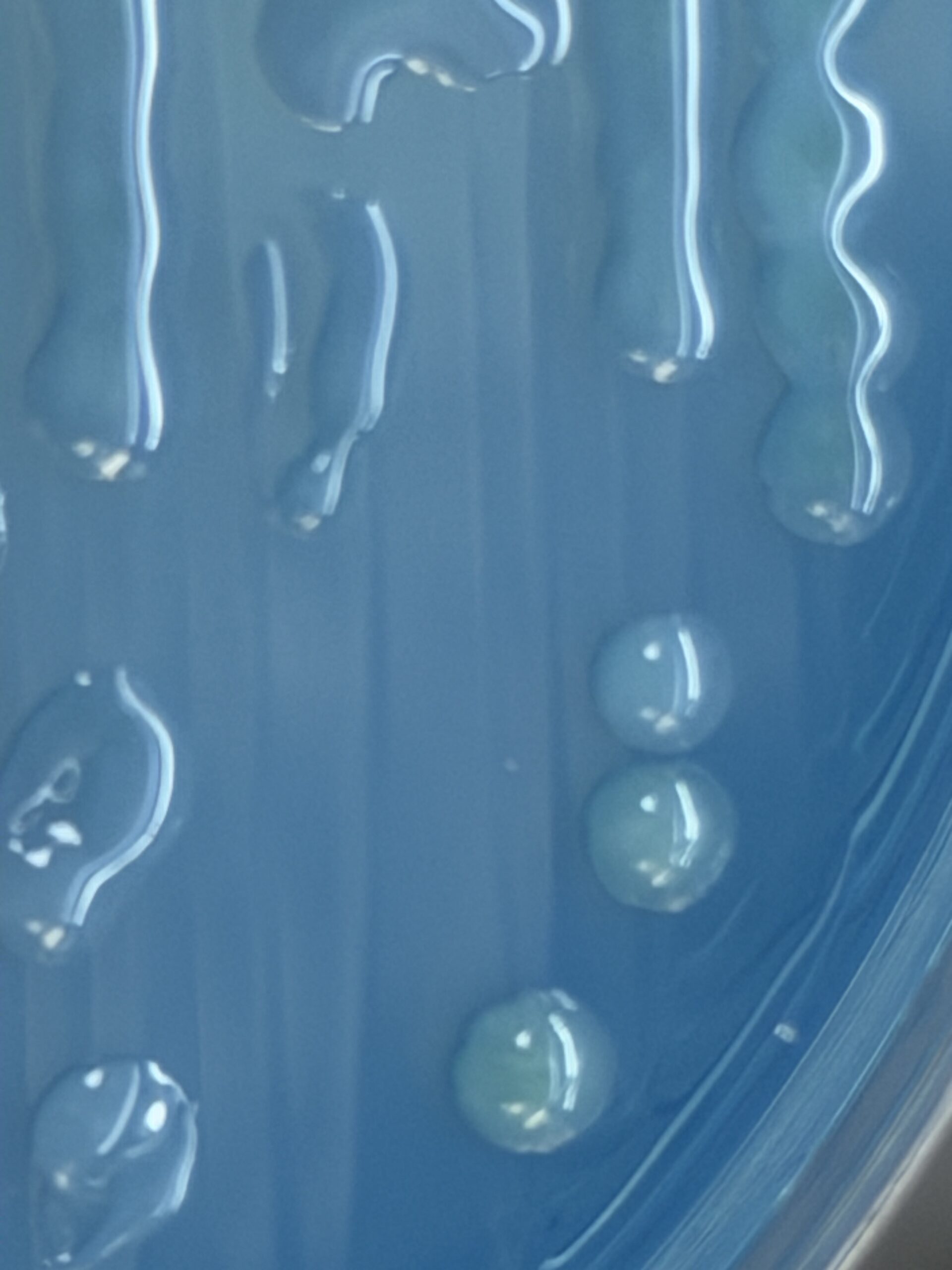
Introduction Acinetobacter lwoffii is a Gram-negative, strictly aerobic, non-motile, non-fermenting, and oxidase-negative bacterium. It belongs to the genus Acinetobacter within the family Moraxellaceae. Unlike its highly aggressive relative Acinetobacter baumannii, A. lwoffii is generally considered a commensal organism. It regularly lives as normal flora on …

Introduction Pathogenicity & Virulence Factors Laboratory Diagnosis Therapeutic Management Strategies Prevention and Infection Control Keynotes Further Readings

Introduction Rothia kristinae, Granulicatella elegans, and Gardnerella vaginalis are all Gram-positive (or Gram-variable) bacteria that exist as part of the human normal microbial flora, but they differ significantly in their taxonomy, physiological characteristics, and clinical roles. Comparison Table Feature Rothia kristinae Granulicatella elegans Gardnerella vaginalis …

Introduction and Principle A nail clipping KOH (Potassium Hydroxide) mount is the fastest and most cost-effective diagnostic test used to detect fungal elements in nails. It serves as the primary screening tool for confirming onychomycosis (fungal nail infection) before starting long-term oral antifungal therapy The …