Serratia marcescens: Introduction, Morphology, Pathogenicity, Lab Diagnosis, Treatment, Prevention, and Keynotes
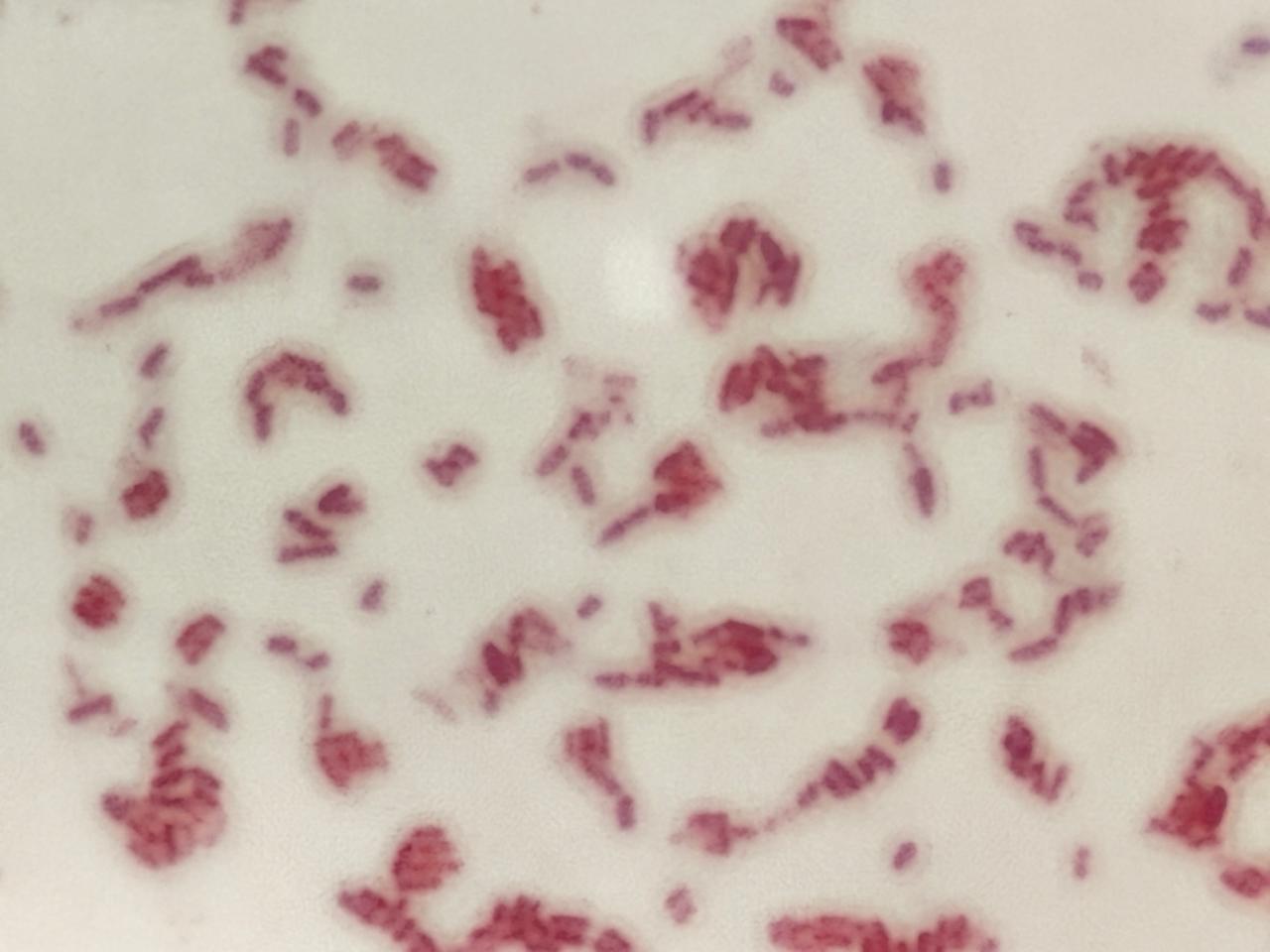
Introduction Morphology Pathogenicity Lab Diagnosis Treatment Prevention Keynotes Further Readings

This site is fully related to medical laboratory information for public and health care professionals.
Introduction Morphology Pathogenicity Lab Diagnosis Treatment Prevention Keynotes Further Readings

Introduction Sphingomonas paucimobilis (formerly classified as Pseudomonas paucimobilis) is a strictly aerobic, non-fermenting, Gram-negative bacillus. It is an environmental oligotroph found widely in soil and water systems. It serves as a stealthy opportunistic pathogen in clinical settings. It can survive in nutrient-poor conditions and form …
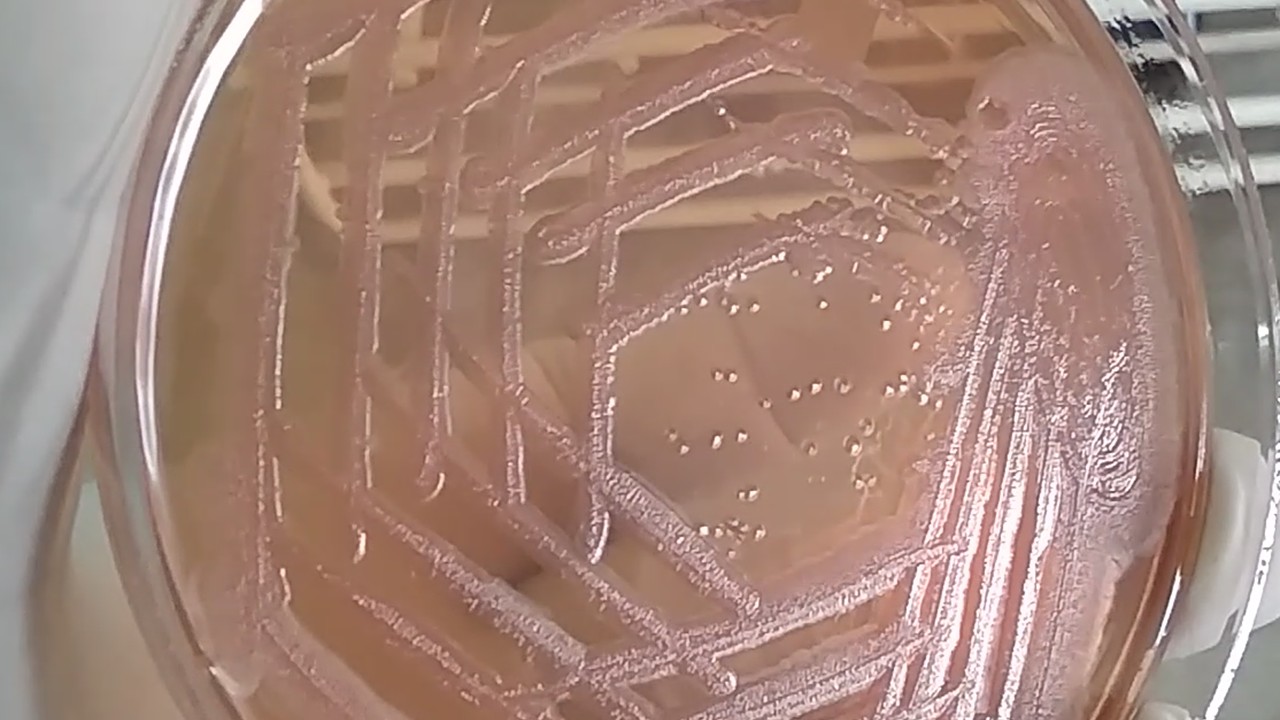
Introduction Alcaligenes faecalis is a Gram-negative, aerobic, rod-shaped bacterium primarily found in water and soil, but also as a commensal in the human intestinal tract. While it is generally nonpathogenic, it is a significant opportunistic pathogen, particularly in hospital settings where it thrives in moist …
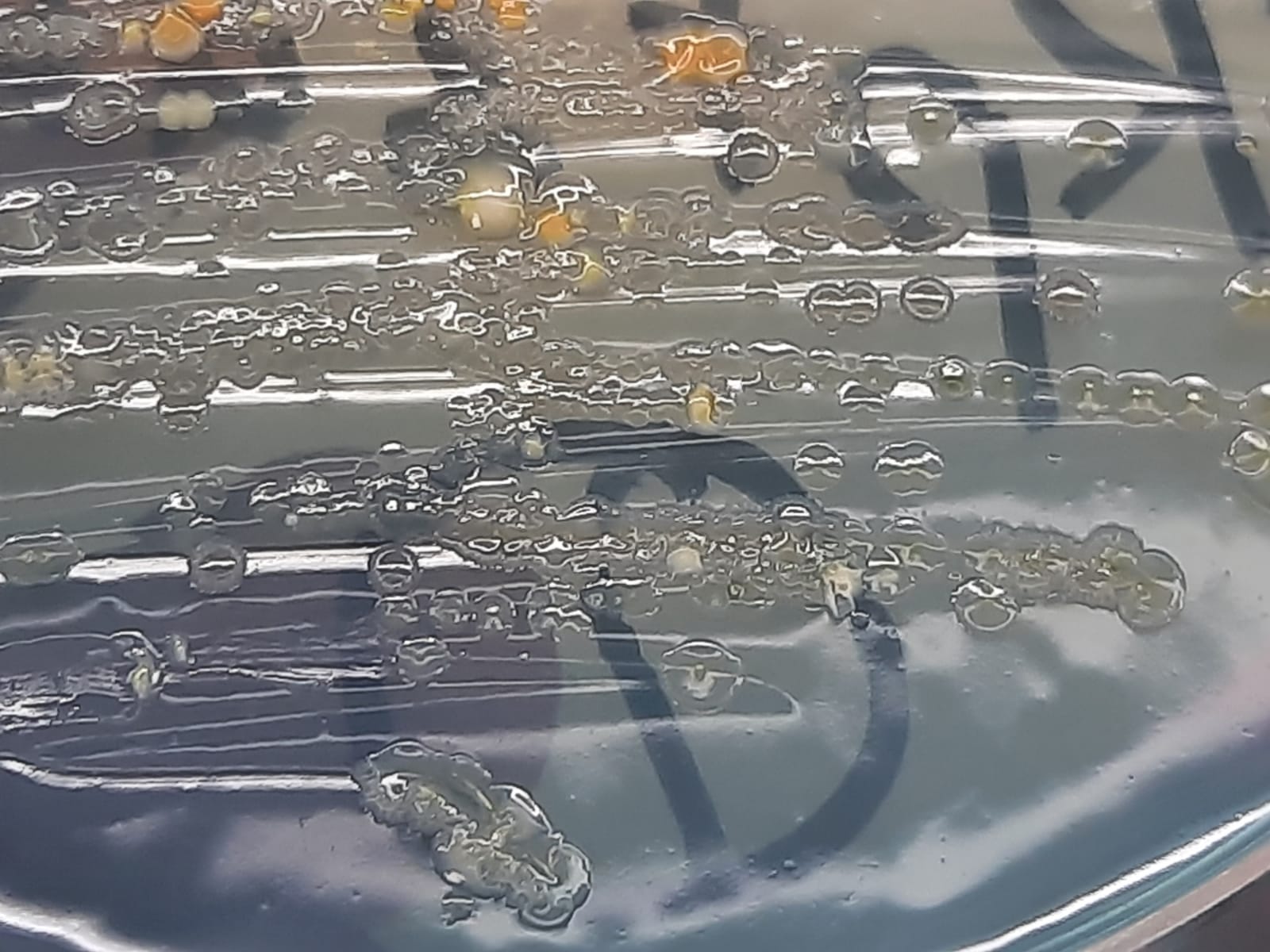
Introduction Acinetobacter haemolyticus is an aerobic, non-fermenting bacterium found in nature and hospital environments. It belongs to the Acinetobacter genus, frequently causing healthcare-associated infections. It is generally considered less virulent than Acinetobacter baumannii but is increasingly recognized in human infections. Morphology Pathogenicity Lab Diagnosis Treatment Prevention Keynotes Further Readings
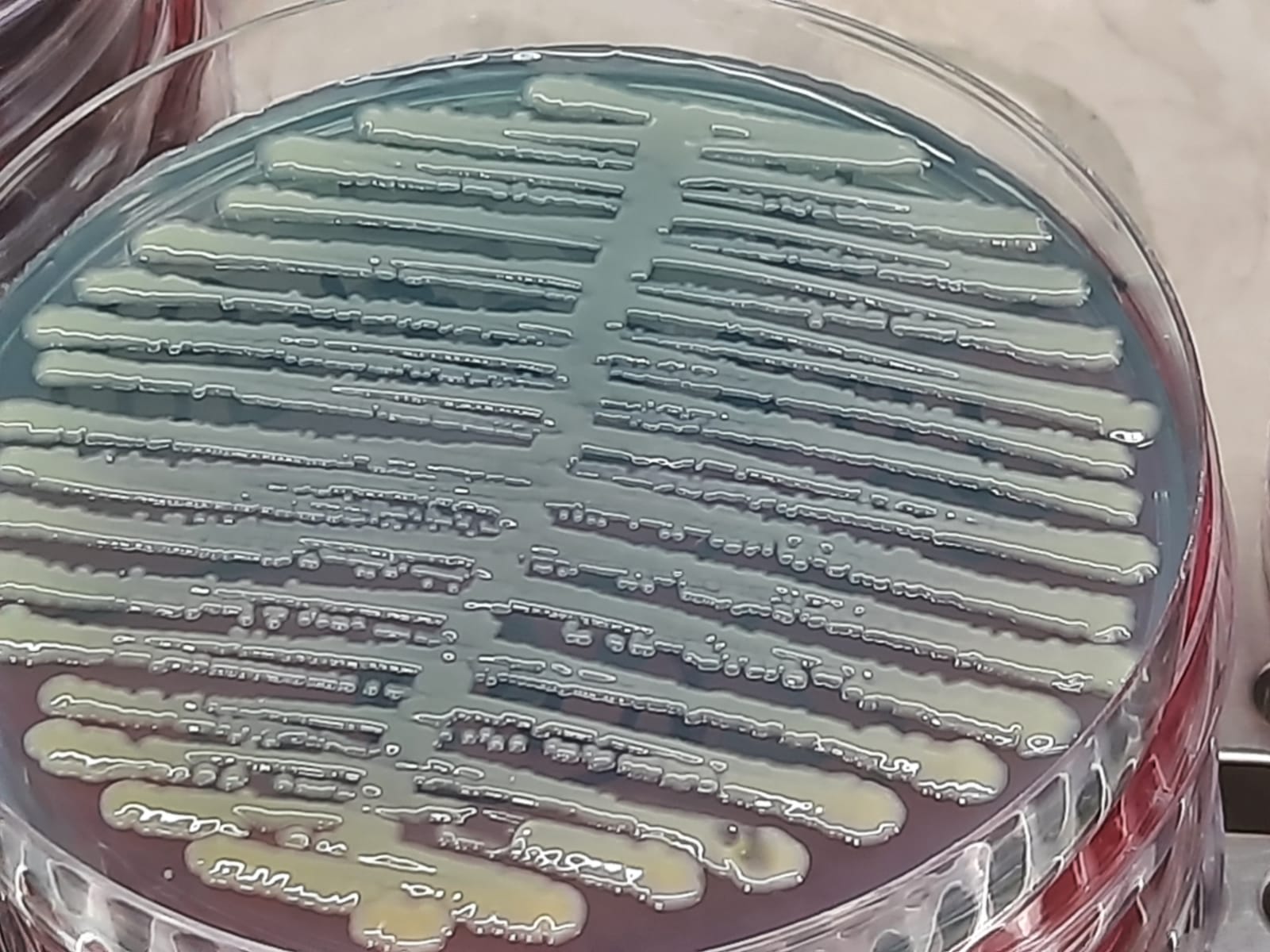
Introduction Klebsiella aerogenes (formerly Enterobacter aerogenes) is an opportunistic Gram-negative, facultative anaerobic bacterium responsible for serious healthcare-associated infections (HAIs), including bloodstream infections and pneumonia. It is highly associated with antibiotic resistance (including XDR strains) and poor clinical outcomes. Morphology Pathogenicity & Virulence Factors Lab Diagnosis Treatment Prevention Keynotes …
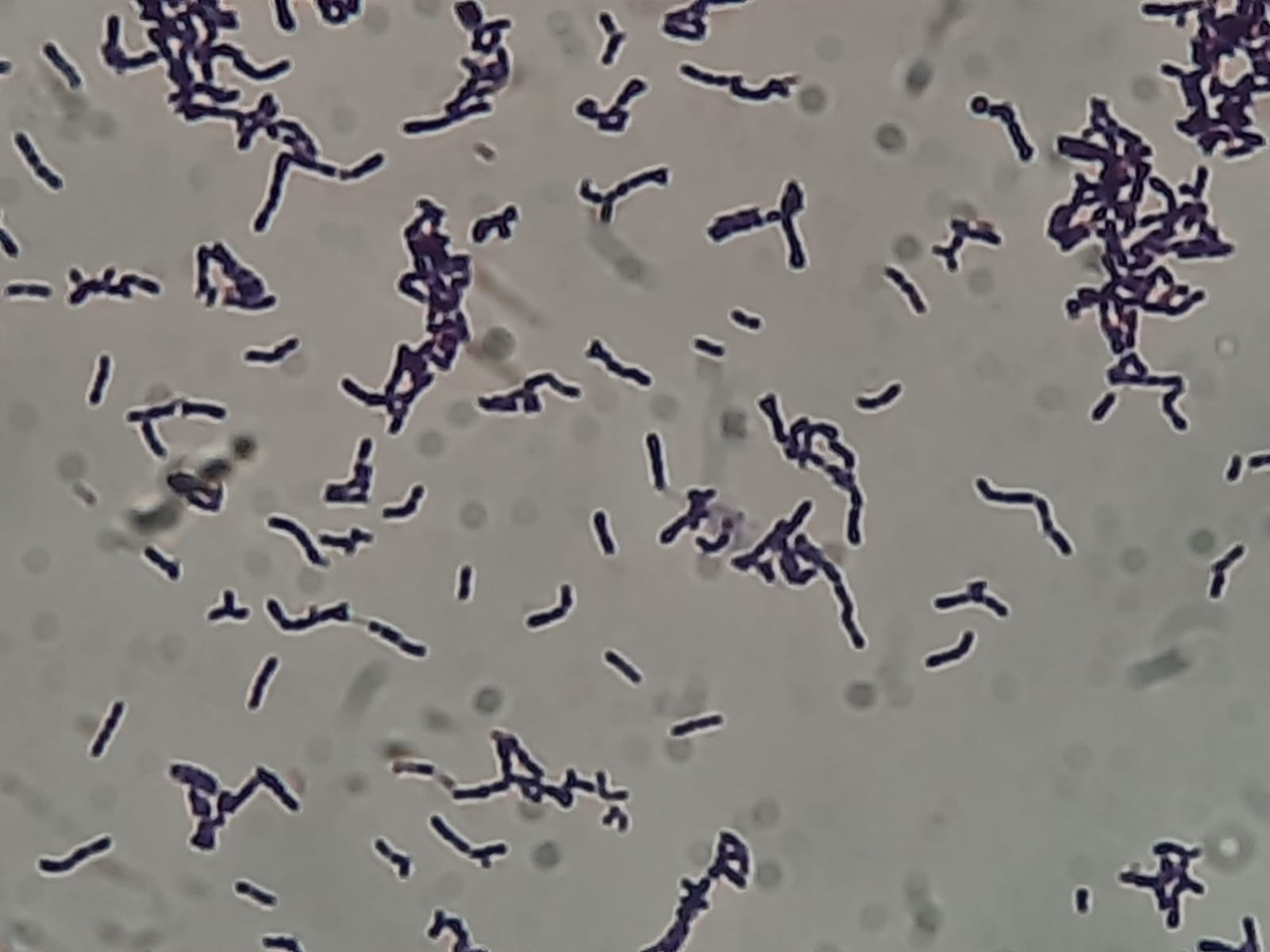
Introduction Pathogenicity While typically considered a low-grade commensal, it causes serious infections primarily in immunocompromised patients or those with indwelling medical devices. Lab Diagnosis Treatment There are no official clinical breakpoints, so treatment is often guided by expert consultation and raw Minimum Inhibitory Concentration (MIC) values. Prevention Keynotes …

Introduction Candida auris is an emerging multidrug-resistant yeast responsible for outbreaks of healthcare-associated infections worldwide. It is difficult to identify by conventional culture and biochemical methods, often misidentified as other Candida species (C. haemulonii, C. famata). Rapid and accurate detection is essential to initiate infection …

Introduction Funguria refers to the presence of fungi in the urine, either due to colonization, contamination, or true urinary tract infection (UTI). It is increasingly reported in hospitalized or catheterized patients, particularly those with immunosuppression, antibiotic overuse, or diabetes. Most cases are asymptomatic, but it …