Rothia kristinae vs Granulicatella elegans vs Gardnerella vaginalis: Introduction, Differences, and Keynotes

Rothia kristinae vs Granulicatella elegans vs Gardnerella vaginalis- Introduction, Differences, and Keynotes

Introduction Rothia kristinae, Granulicatella elegans, and Gardnerella vaginalis are all Gram-positive (or Gram-variable) bacteria that exist as part of the human normal microbial flora, but they differ significantly in their taxonomy, physiological characteristics, and clinical roles. Comparison Table Feature Rothia kristinae Granulicatella elegans Gardnerella vaginalis …

Read more

Nail Clippings KOH Mount: Introduction and Principle, Procedure, Result-Interpretation, Clinical Significance, and Keynotes

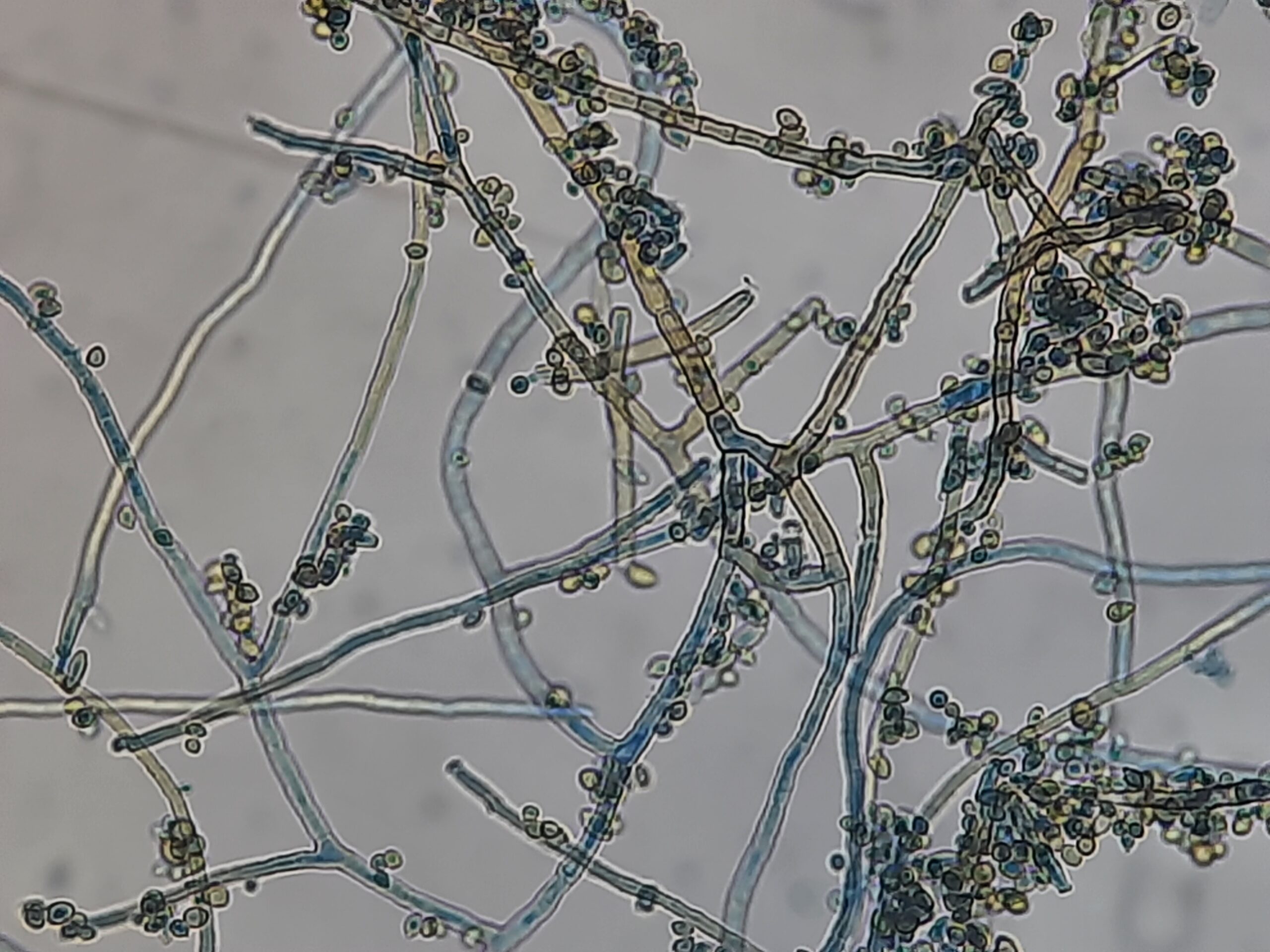
Hyaline septate fungal hyphae in KOH mount of nail clipping at a magnification of 1000x with 8x optical zoom

Introduction and Principle A nail clipping KOH (Potassium Hydroxide) mount is the fastest and most cost-effective diagnostic test used to detect fungal elements in nails. It serves as the primary screening tool for confirming onychomycosis (fungal nail infection) before starting long-term oral antifungal therapy The …

Read more

MDR-TB to Pre-XDR-TB and XDR-TB Differences: Introduction, Differences, and Critical Clinical Differences

MDR-TB to Pre-XDR-TB and XDR-TB Differences- Introduction, Differences, and Critical Clinical Differences

Introduction The core difference between these forms of drug-resistant tuberculosis (DR-TB) lies in which specific medications the Mycobacterium tuberculosis bacteria can survive. As resistance progresses from MDR-TB to Pre-XDR-TB and finally XDR-TB, treatment becomes longer, more complex, and relies on scarcer second-line drugs. Differences Comparison …

Read more

Pseudomonas putida: Introduction, Morphology, Pathogenicity, Lab Diagnosis, Treatment, and Prevention

Pseudomonas putida colony morphology on blood agar after 48 hours of incubation

Introduction Pseudomonas putida is a versatile, Gram-negative, rod-shaped bacterium primarily known for its bioremediation capabilities but recognized as a rare opportunistic human pathogen. Found globally in soil, water, and plant roots, it thrives in diverse environments due to its unique metabolic endurance. Morphology and Characteristics …

Read more

Geotrichum klebahnii: Introduction, Morphology, Pathogenicity, Lab Diagnosis, Treatment, and Prevention

Lacking blastoconidia (budding yeast cells), distinguishing Geotrichum klebahnii from Trichosporon

Introduction Geotrichum klebahnii is a rare, opportunistic, yeast-like fungus that is found globally in environments like soil, dairy products, and organic waste, but can act as an emerging pathogen in humans. Along with Geotrichum candidum, it is one of the only species within its genus …

Read more

Serratia marcescens: Introduction, Morphology, Pathogenicity, Lab Diagnosis, Treatment, Prevention, and Keynotes

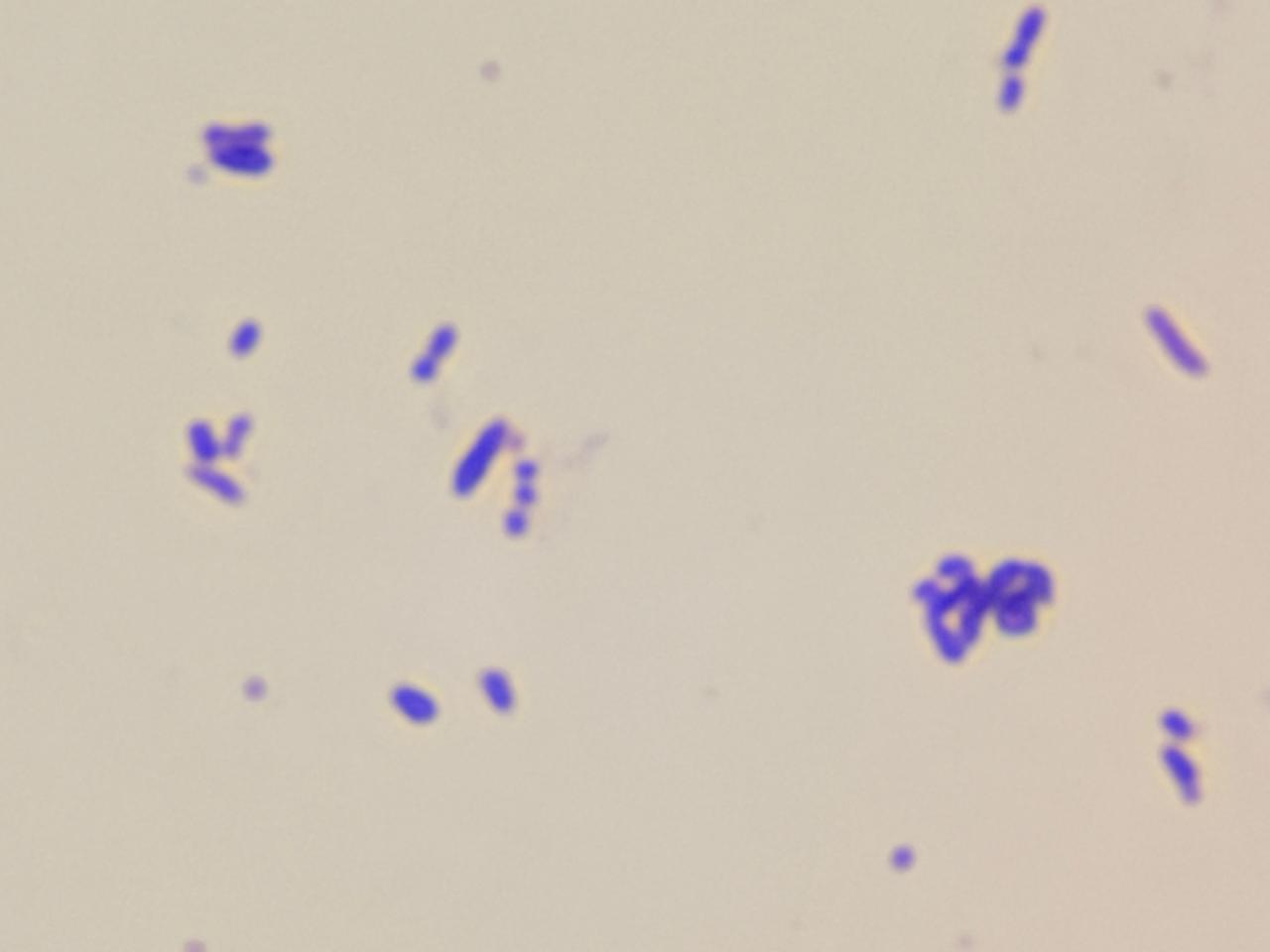
Gram-negative rods(GNRs) of Serratia marcescens at a magnification of 1000x with 8x optical zoom

Introduction Morphology Pathogenicity Lab Diagnosis Treatment Prevention Keynotes Further Readings

Streptococcus mitis: Introduction, Morphology, Pathogenicity, Lab Diagnosis, Treatment, Prevention, and Keynotes

Streptococcus mitis colony morphology on blood agar

Introduction Streptococcus mitis is a Gram-positive, alpha-hemolytic bacterium commonly found as a harmless commensal in the human oral cavity, but it can act as an opportunistic pathogen causing severe infections like infective endocarditis. Morphology Pathogenicity Lab Diagnosis Treatment Prevention Keynotes Further Reading

Anemometer: Introduction, Principle, Handling Procedure, Application, and Keynotes

A portable digital vane anemometer used for measuring air velocity across multiple measurement units

Introduction Principle Handling Procedure Application Keynotes Further Readings