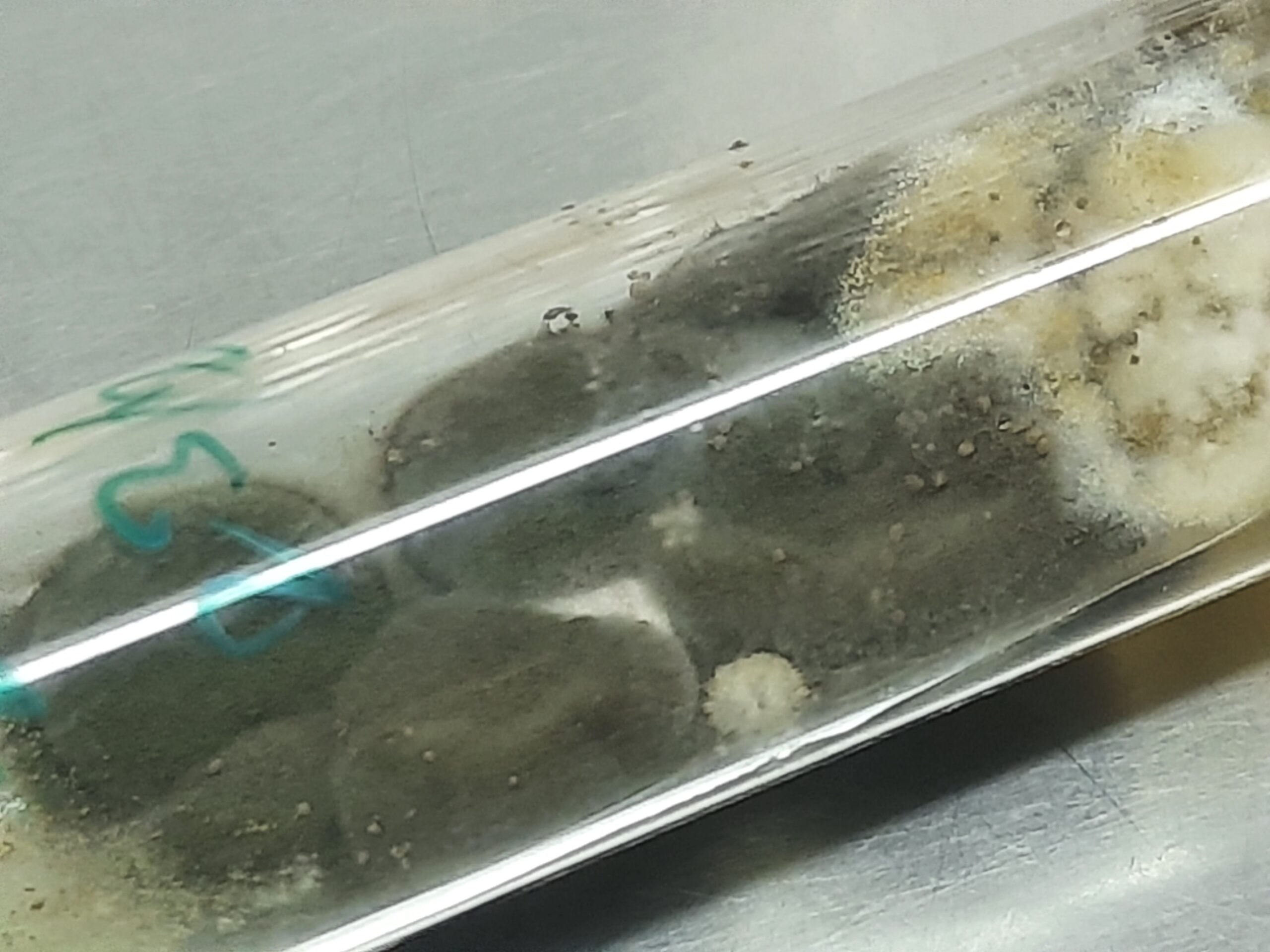
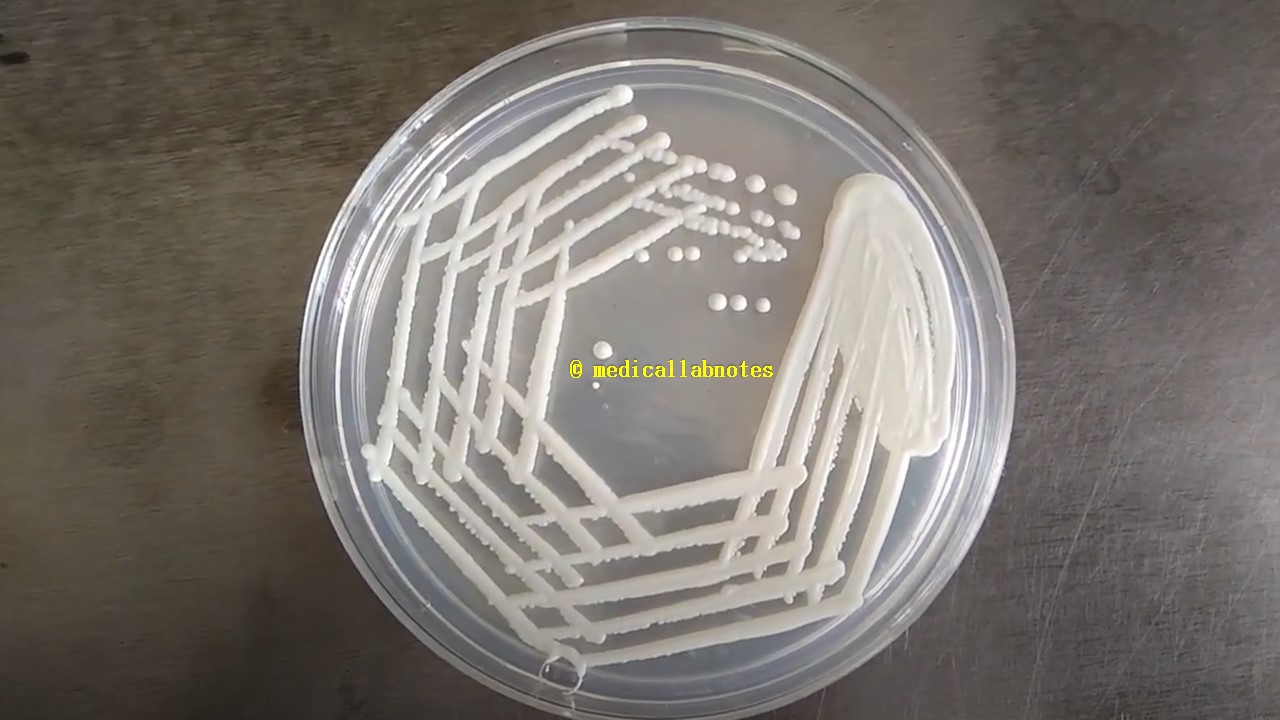
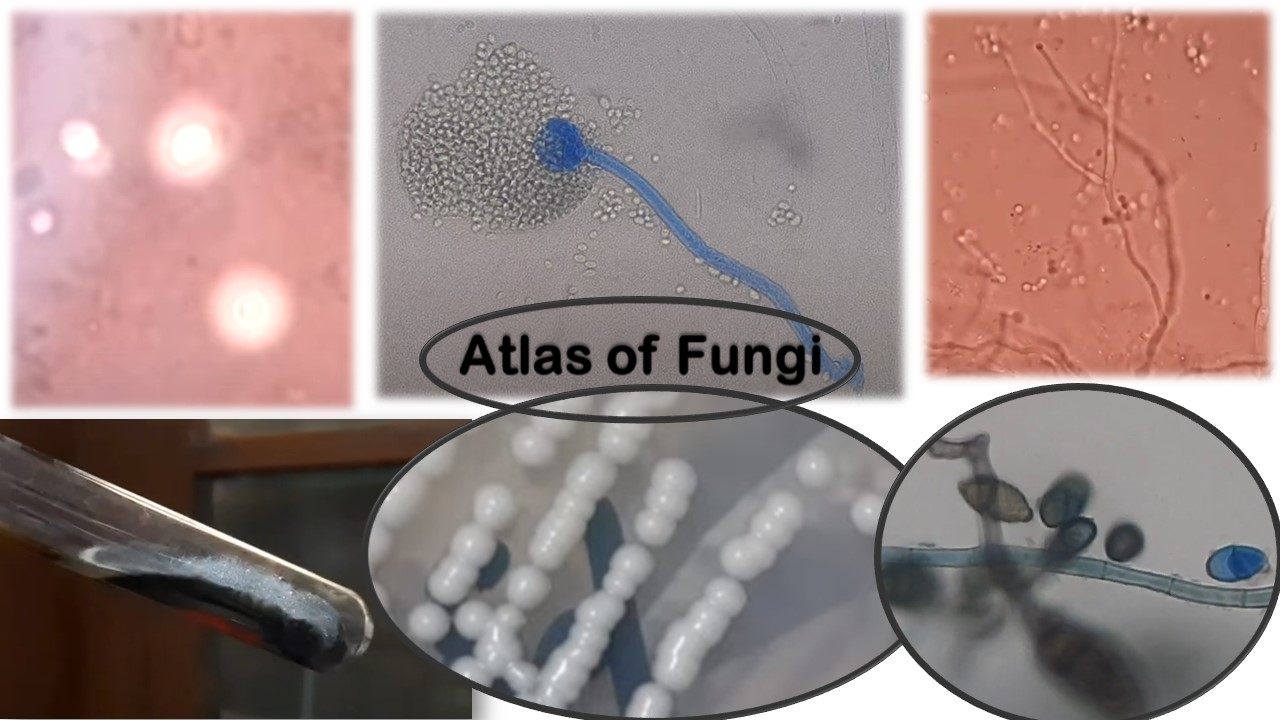
Cladophialophora: Introduction, Pathogenicity, Lab Diagnosis, Treatment, Prevention, and Keynote
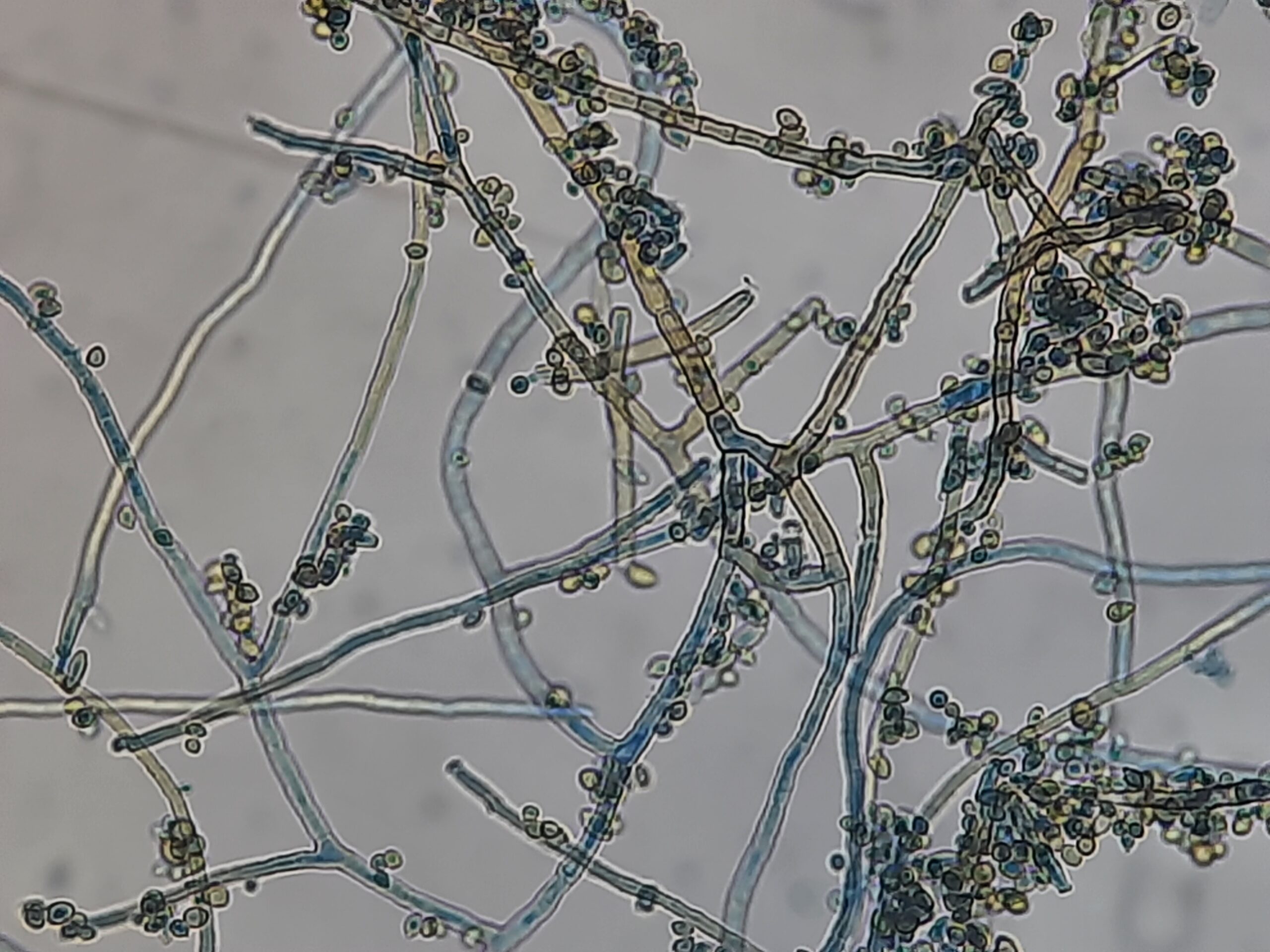
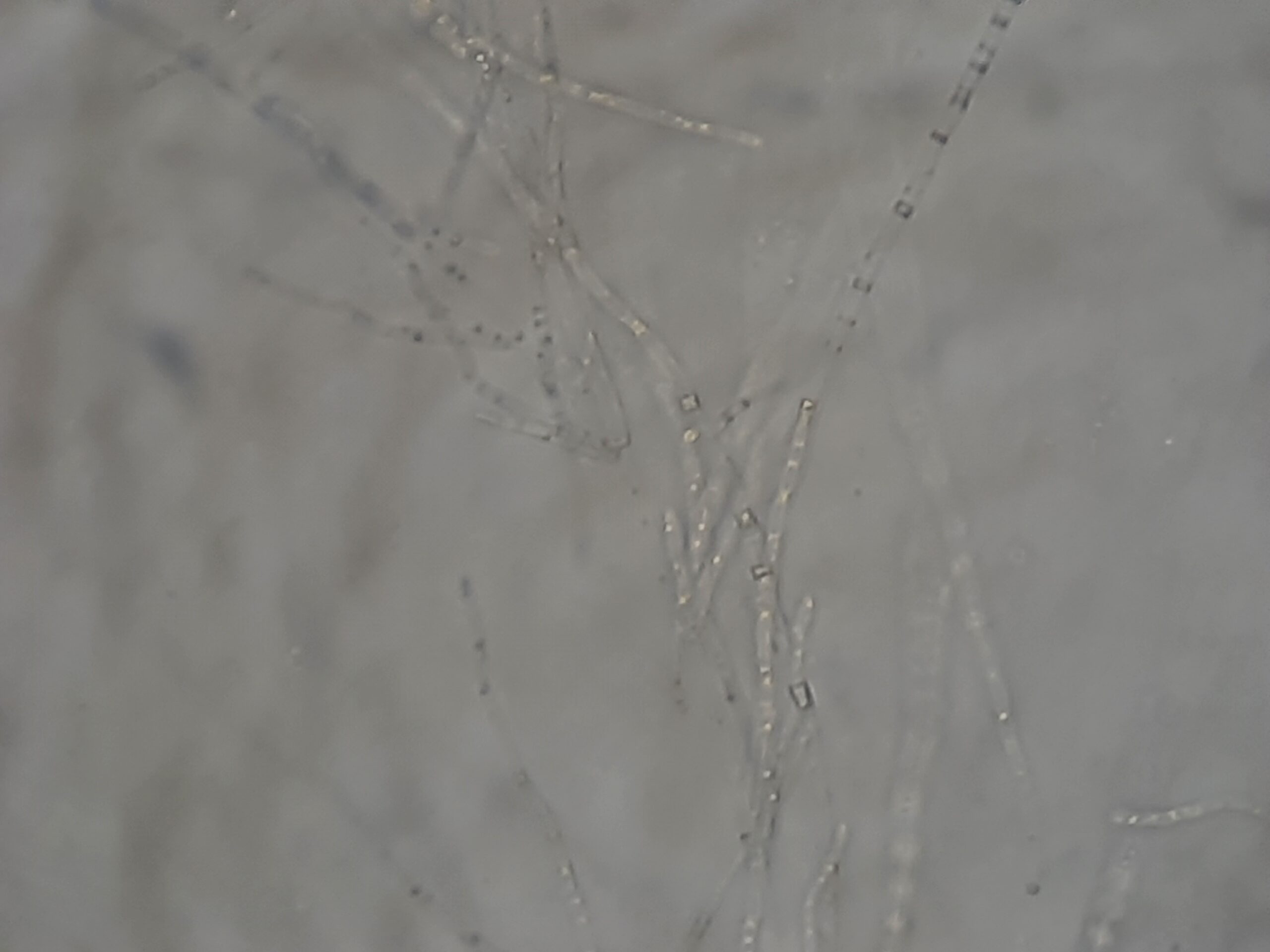
The image displays a network of pale brown, pigmented, septate hyphae producing highly branched chains of spores of Cladophialophora

Introduction Pathogenicity Lab Diagnosis Treatment Prevention Keynote Keynote Rule of Thumb: Think of Cladophialophora bantiana as “The Neurotropic Black Mold.” It is the most common cause of fungal brain abscesses in immunocompetent hosts. Any radiological ring-enhancing brain mass that mimics a tumor but presents with …
Read more

Saprochaete capitata:Introduction, Morphology, Pathogenicity, Lab Diagnosis, Treatment, Prevention, and Keynotes

Saprochaete capitata in Dalmau plate technique microscopic footage

Introduction Saprochaete capitata is an emerging opportunistic fungal pathogen that causes severe, frequently fatal systemic infections in profoundly immunocompromised individuals. It is notorious for its intrinsic resistance to echinocandins and high resistance to fluconazole, which often results in breakthrough fungemia during standard empirical antifungal therapy. …

Read more

Nakaseomyces glabratus: Introduction, Morphology, Pathogenicity, Lab Diagnosis, Treatment, Prevention, and Keynotes

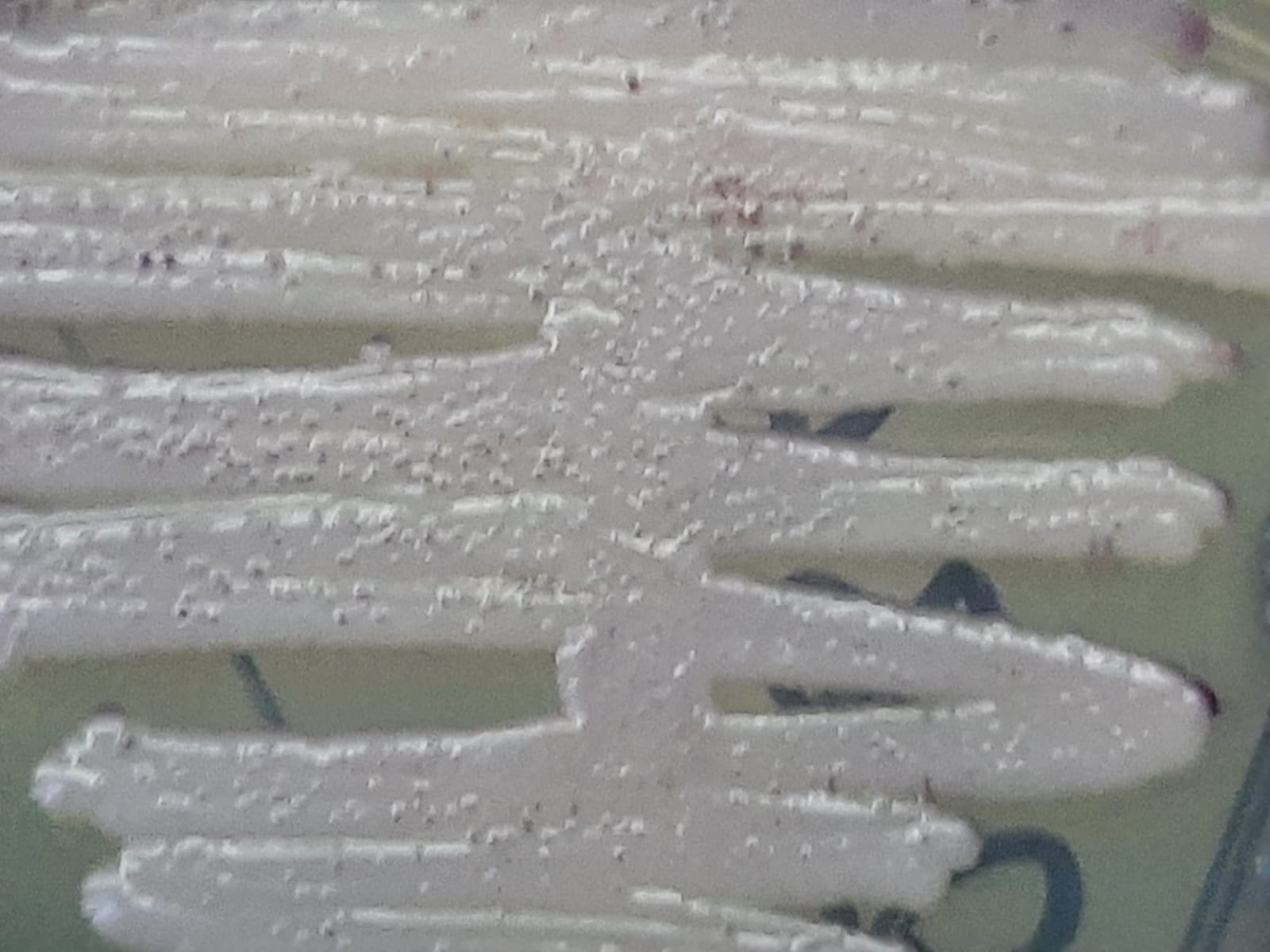
Nakaseomyces glabratus (formerly Candida glabrata) growth on HiCrome Candida Differential Agar

Introduction Nakaseomyces glabratus (formerly Candida glabrata) is a highly adaptable, haploid yeast that is a common commensal of the human gastrointestinal and genitourinary tracts. It is the second or third most common cause of candidiasis worldwide and is notable for its high level of intrinsic and acquired …

Read more

Fungal Culture of Clinical Samples: Introduction, Principle, Clinical Significance, and Keynotes

Body fluid and sputum for culture

Introduction Fungal culture is the gold standard method for the detection and identification of pathogenic fungi in clinical microbiology. It is essential for diagnosing superficial, subcutaneous, and systemic mycoses. Clinical specimens such as blood, sputum, bronchoalveolar lavage (BAL), urine, cerebrospinal fluid (CSF), skin scrapings, nail …

Read more

Cladosporium: Introduction, Morphology, Pathogenicity, Lab Diagnosis, Treatment, Prevention, and Keynotes

Cladosporium on Sabouraud Dextrose Agar (SDA) forms velvety, olive-green to blackish-green colonies with a dark reverse

Introduction Cladosporium is a genus of fungi that belongs to the phylum Ascomycota. It is a diverse and widespread group of molds that can be found in various environments, including soil, plants, decaying organic matter, and indoor spaces. Cladosporium species are known for their ability …

Read more

Sabouraud Dextrose Agar (SDA): Introduction, Principle, Composition, Preparation, Testing Procedure, Result-Interpretation, Colony Characteristics, Uses, Keynotes, and SDA Footages

Sabouraud Dextrose Agar (SDA): Introduction, Principle, Composition, Preparation,Testing Procedure, Result-Interpretation, Colony Characteristics, Uses, Keynotes and SDA Footages

Introduction of Sabouraud Dextrose Agar (SDA) Sabouraud Dextrose Agar (SDA) is a common fungal culture medium and  Sabouraud is the surname of creator Raymond Jacques Adrien Sabouraud a French physician born in Nantes. He formulated SDA in 1892 for culturing dermatophytes. SDA  is the most common …

Read more

Atlas of Fungi: Introduction, List of Contents, and Description

Atlas of Fungi: Introduction, List of Contents, and Description

Introduction to Atlas of Fungi The name ‘ Atlas of Fungi’ is given even due to the vast spectrum of mycology but puny collection and another thing are that only an epic center collection of author authentical performance. So, please if you have benefited from …

Read more

Germ Tube Test: Introduction, Principle, Procedure, Result Interpretation, and Keynotes

Germ Tube Test: Introduction, Principle, Procedure, Result Interpretation and Keynotes

Introduction of Germ Tube The Germ Tube Test procedure is used for the presumptive identification of Candida species. The culture of Candida species is treated with normal human pooled serum or sheep or rabbit or fetal calf serum and incubated at 37°C for 2-4 hours. A drop of suspension …

Read more