Cladophialophora: Introduction, Pathogenicity, Lab Diagnosis, Treatment, Prevention, and Keynote
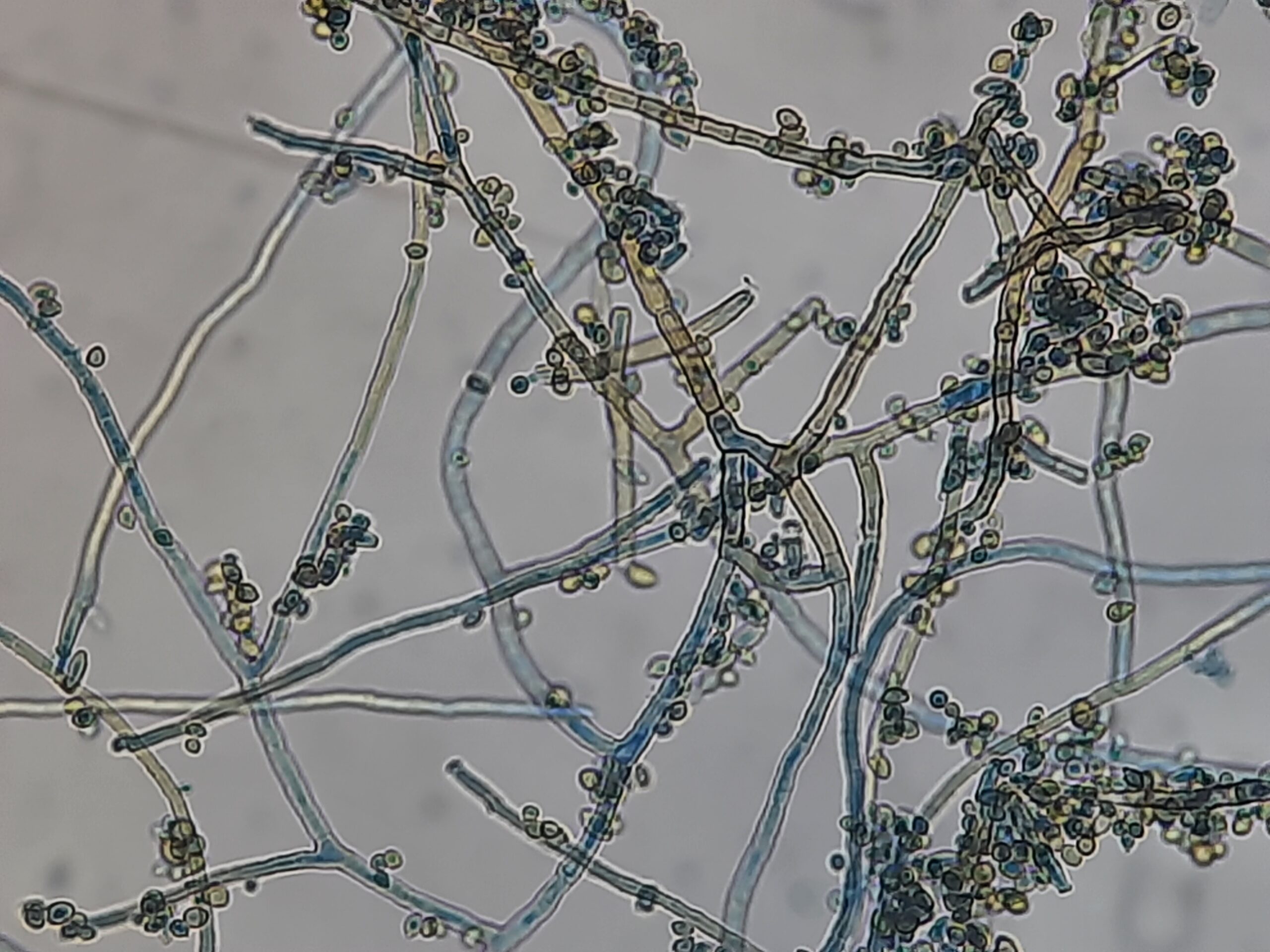
The image displays a network of pale brown, pigmented, septate hyphae producing highly branched chains of spores of Cladophialophora

Introduction Pathogenicity Lab Diagnosis Treatment Prevention Keynote Keynote Rule of Thumb: Think of Cladophialophora bantiana as “The Neurotropic Black Mold.” It is the most common cause of fungal brain abscesses in immunocompetent hosts. Any radiological ring-enhancing brain mass that mimics a tumor but presents with …
Read more

Saprochaete capitata:Introduction, Morphology, Pathogenicity, Lab Diagnosis, Treatment, Prevention, and Keynotes

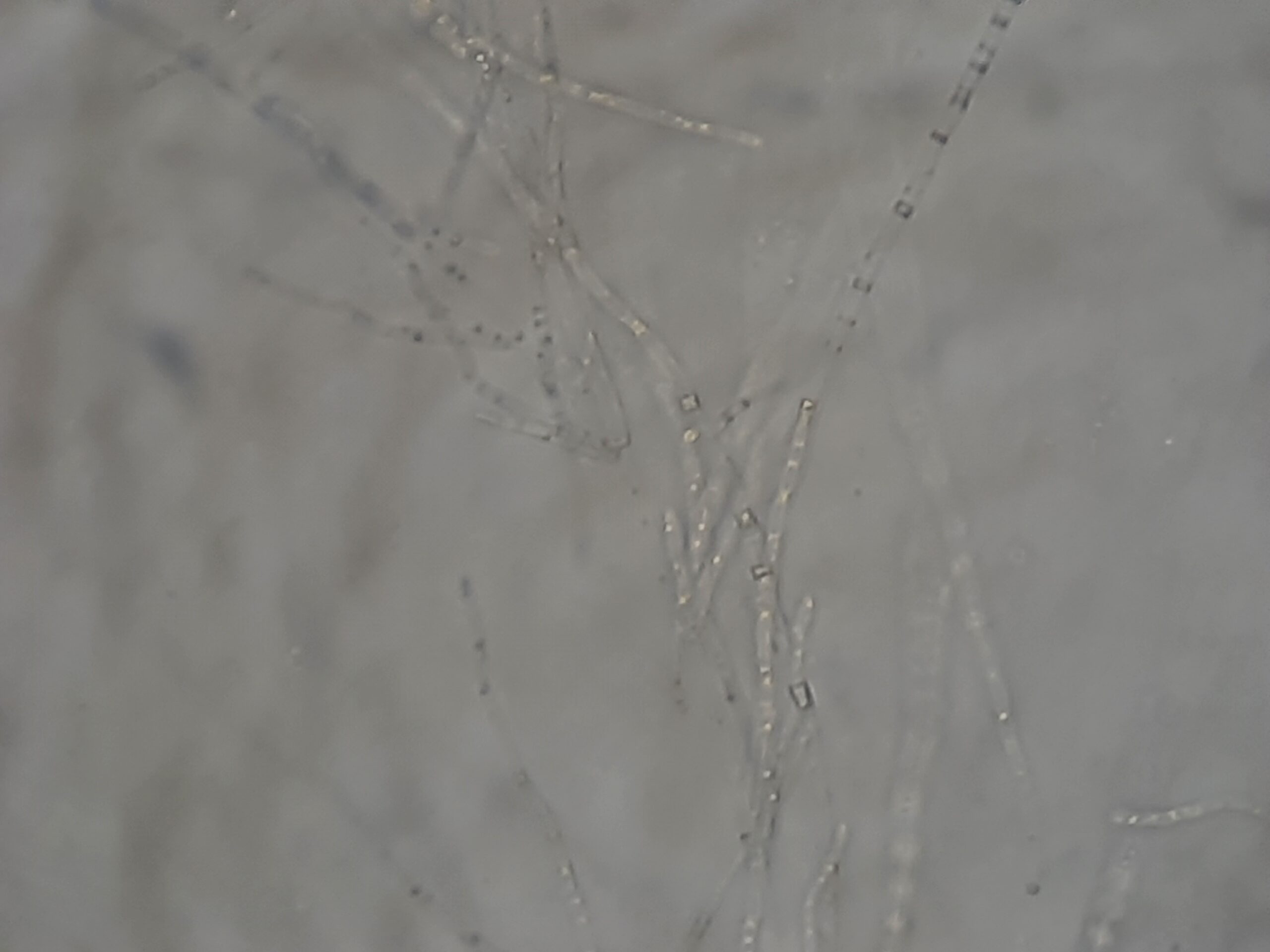
Saprochaete capitata in Dalmau plate technique microscopic footage

Introduction Saprochaete capitata is an emerging opportunistic fungal pathogen that causes severe, frequently fatal systemic infections in profoundly immunocompromised individuals. It is notorious for its intrinsic resistance to echinocandins and high resistance to fluconazole, which often results in breakthrough fungemia during standard empirical antifungal therapy. …

Read more

Cladosporium: Introduction, Morphology, Pathogenicity, Lab Diagnosis, Treatment, Prevention, and Keynotes

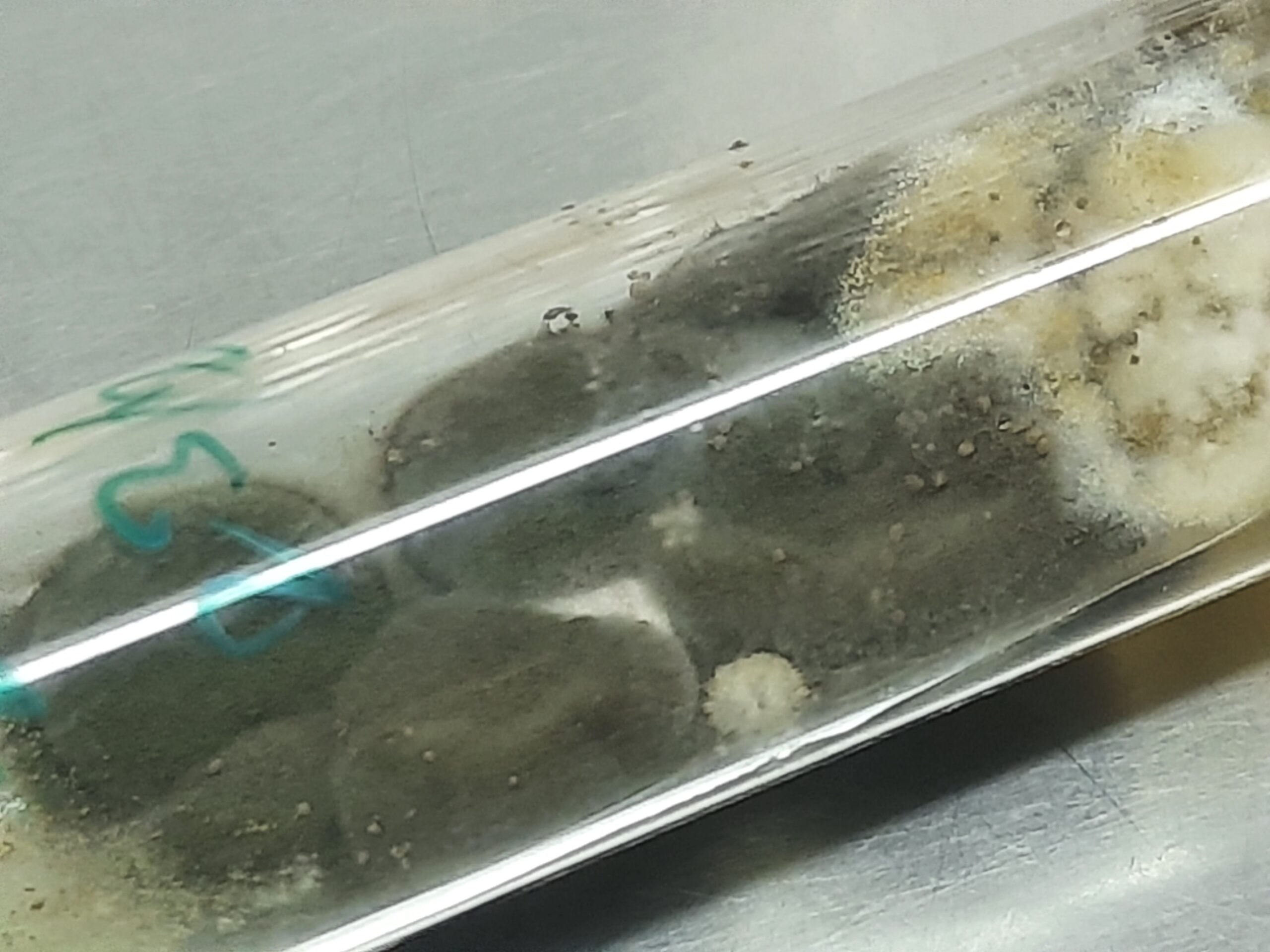
Cladosporium on Sabouraud Dextrose Agar (SDA) forms velvety, olive-green to blackish-green colonies with a dark reverse

Introduction Cladosporium is a genus of fungi that belongs to the phylum Ascomycota. It is a diverse and widespread group of molds that can be found in various environments, including soil, plants, decaying organic matter, and indoor spaces. Cladosporium species are known for their ability …

Read more