BAL Sample vs Sputum Sample – Key Differences

BAL Sample vs Sputum Sample – Key Differences

Bronchoalveolar Lavage (BAL) and sputum are commonly used respiratory specimens. Still, they differ significantly in terms of source, quality, diagnostic value, and clinical utility, especially in patients with tuberculosis, fungal infections, pneumonia, and oncology. Basic Definition Feature BAL Sample Sputum Sample Definition Expectorated respiratory secretion …

Read more

Streptococcus agalactiae (GBS): Introduction, Pathogenicity, Lab Diagnosis, Treatment, and Keynotes

Gram-positive cocci in chains Streptococcus agalactiae (GBS)

Introduction Streptococcus agalactiae, also known as Group B Streptococcus (GBS), is a Gram-positive, beta-hemolytic coccus arranged in chains. It is a major cause of neonatal sepsis, meningitis, and infections in pregnant women, and an emerging pathogen in immunocompromised adults. GBS commonly colonizes the gastrointestinal and …

Read more

Bio-Incubator: Introduction, Application, and Keynotes

This Bio-Incubator provides a stable environment for the growth and incubation of microbial cultures, enzymatic reactions, and biological assays. The display screen shows the process status as “FINISHED” with a temperature reading of 27.2°C, indicating the incubation cycle is complete. It is commonly used in clinical, molecular, and research laboratories for applications such as culture incubation, spore testing, and enzyme activation.

Introduction A Bio-Incubator is a laboratory device designed to provide a controlled environment of temperature, humidity, and time for the growth and maintenance of microbial cultures, cell lines, and biological reactions. It is an essential tool in microbiology, molecular biology, biotechnology, and clinical diagnostics.By maintaining …

Read more

Biological Indicator (Bionova BT20) for Autoclave Sterilization Validation:Introduction, Application, and Keynotes

These Bionova BT20 biological indicators are used to monitor the effectiveness of steam sterilization (autoclave) cycles. Each vial contains a spore suspension of Geobacillus stearothermophilus in a nutrient medium with a pH indicator dye. The purple vial indicates successful sterilization (no spore growth-left vial).The yellow vial indicates failed sterilization (spore germination and acid production changing the color to yellow-right vial).

Introduction Bionova BT20 Biological Indicators (BIs) are specialized tools used to verify the efficiency of steam sterilization (autoclaving) in laboratories, hospitals, and industrial settings. Each indicator vial contains a defined population of Geobacillus stearothermophilus spores, known for their high resistance to moist heat. During an …

Read more

Bronchoalveolar lavage (BAL) Gram stain: Introduction, Report-Interpretation, Clinical Significance, and Keynotes

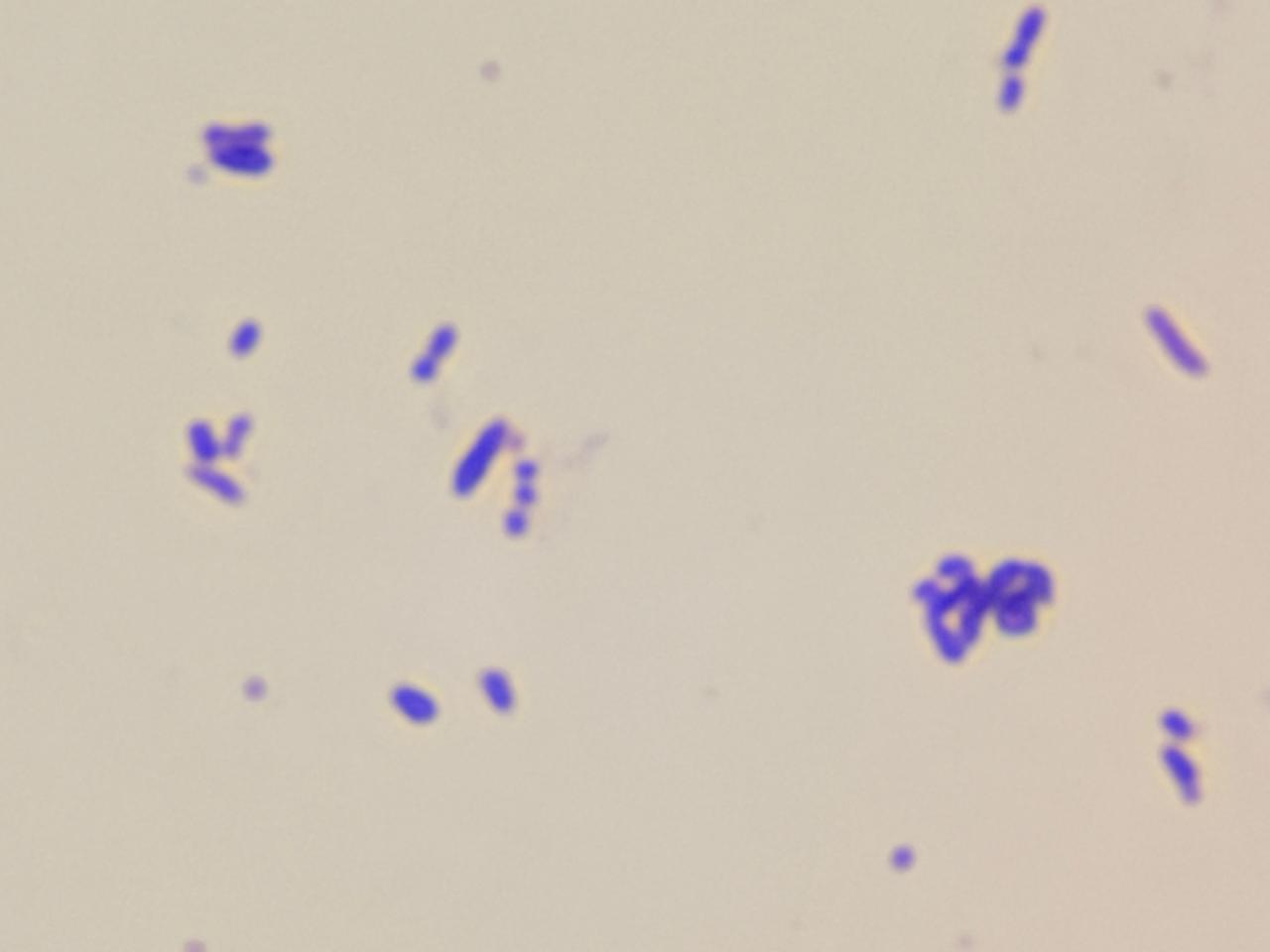
Gram negative cocobacilli in Gram staining of BAL and pus cells

Introduction Bronchoalveolar lavage (BAL) is a diagnostic procedure used to collect specimens from the lower respiratory tract, particularly from the alveolar spaces. It is performed by instilling sterile saline into a segment of the lung via a bronchoscope and then aspirating it back. Gram staining …

Read more

Throat Swab Gram stain: Introduction, Report-Interpretation, Clinical Significance, and Keynotes

Gram positive and Gram negative bacteria in throat swab Gram stain photomicrograph at a magnification of 4000X

Introduction A throat swab Gram stain is a rapid, initial diagnostic test performed on specimens collected from the oropharynx or tonsillar region. It helps to identify bacterial flora, pathogens, and inflammatory response. While culture and molecular methods provide definitive diagnosis, Gram staining offers early guidance …

Read more

Acinetobacter ursingii: Introduction, Morphology, Pathogenicity, Lab Diagnosis, Treatment, Prevention, and Keynote

Introduction Acinetobacter ursingii is a Gram-negative, non-fermentative, opportunistic bacterium belonging to the genus Acinetobacter. It is an uncommon species compared to Acinetobacter baumannii, but it has been increasingly recognized in healthcare-associated infections (HAIs). Reported cases include bacteremia, septicemia, pneumonia, urinary tract infections, and bloodstream infections, …

Read more

Multiplex PCR assay-Directly on Respiratory samples:Introduction, Principle, Clinical Significance, and Keynotes

Introduction Respiratory tract infections are caused by a wide range of pathogens, including viruses, bacteria, and fungi. Conventional diagnostic methods such as culture, microscopy, and antigen detection are time-consuming and often lack sensitivity. Multiplex polymerase chain reaction (PCR) assays, applied directly to respiratory samples (sputum, …

Read more