Rothia: Introduction, Pathogenicity, Lab Diagnosis, Treatment, Prevention, and Keynote
Introduction Pathogenicity Lab Diagnosis Treatment Prevention Keynote Further Readings

This site is fully related to medical laboratory information for public and health care professionals.
Introduction Pathogenicity Lab Diagnosis Treatment Prevention Keynote Further Readings
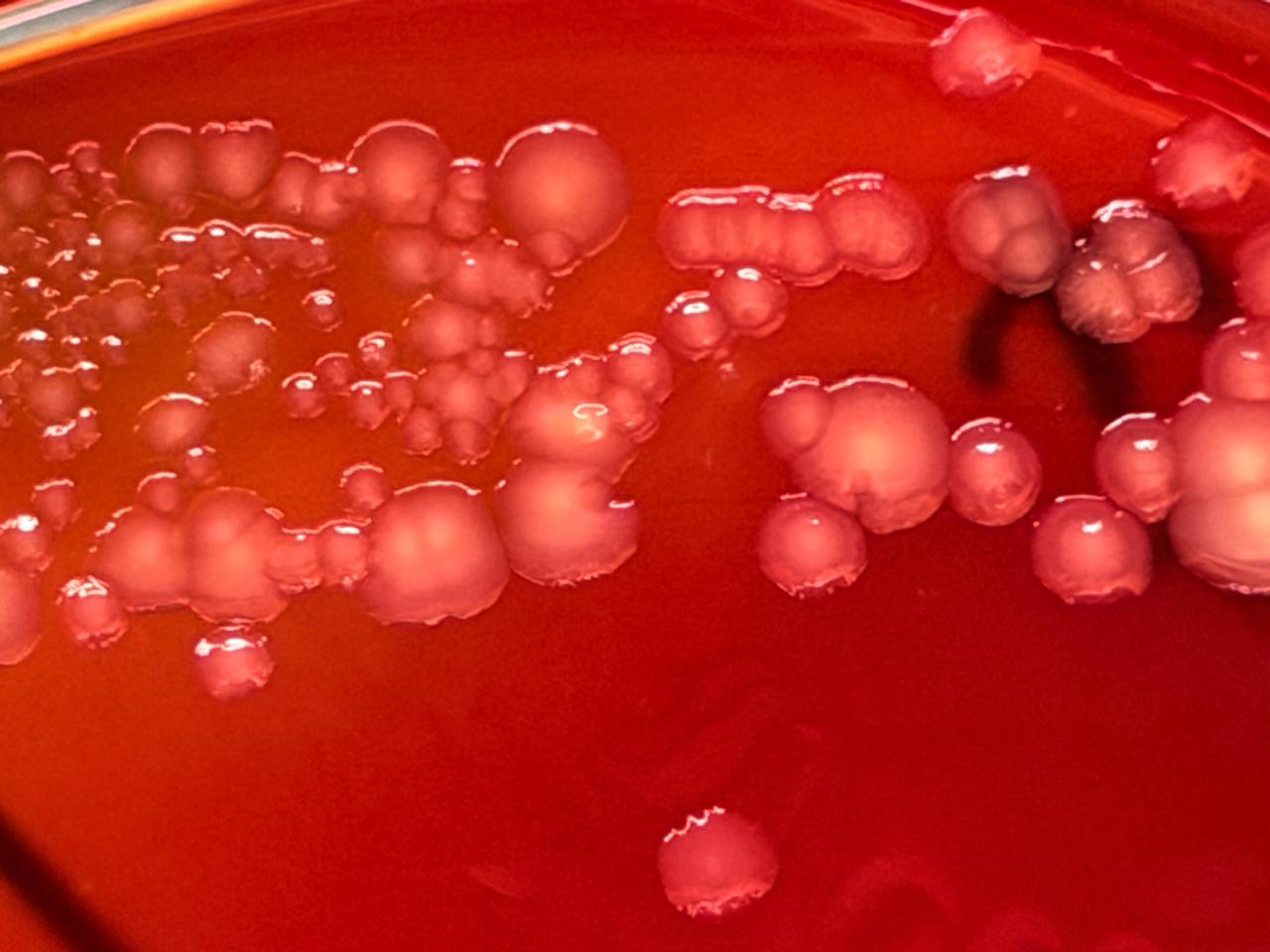
Introduction Pseudomonas putida is a versatile, Gram-negative, rod-shaped bacterium primarily known for its bioremediation capabilities but recognized as a rare opportunistic human pathogen. Found globally in soil, water, and plant roots, it thrives in diverse environments due to its unique metabolic endurance. Morphology and Characteristics …
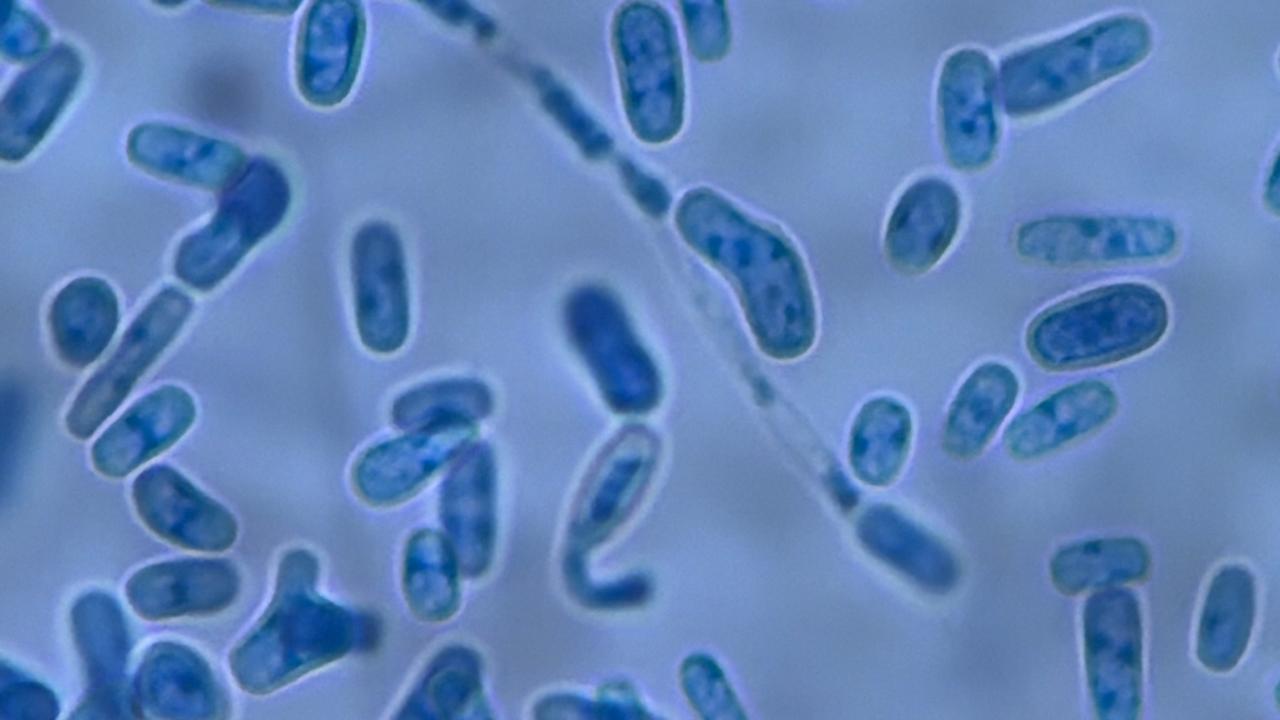
Introduction Geotrichum klebahnii is a rare, opportunistic, yeast-like fungus that is found globally in environments like soil, dairy products, and organic waste, but can act as an emerging pathogen in humans. Along with Geotrichum candidum, it is one of the only species within its genus …
Introduction to Bacterial Diseases Bacterial diseases are illnesses caused by pathogenic bacteria entering the body, multiplying, and releasing toxins that damage host tissues. These pathogens spread through contaminated food, water, airborne droplets, sexual contact, or vectors. Despite the advent of antibiotics, bacterial infections remain a …
Introduction Colon cancer is a highly prevalent gastrointestinal malignancy originating from the inner lining (mucosal epithelium) of the large intestine. It ranks as the second leading cause of cancer-related deaths worldwide. While historically more common in older individuals, the incidence has steadily risen in younger …
Introduction GI cancers originate within the human digestive system, spanning from the upper esophagus down to the rectum and anus. These malignancies are often characterized by an insidious onset, meaning they remain asymptomatic or present with non-specific symptoms (such as indigestion, fatigue, or mild abdominal …

Introduction Pichia kudriavzevii, formerly known as Candida krusei, is a unique budding yeast that holds a dual status as both a critical industrial organism and an emerging opportunistic pathogen. Taxonomy: It is the teleomorph (sexual state) of Candida krusei. It has also been historically known as Issatchenkia orientalis. …
Introduction Stomach cancer, also known as gastric cancer, is a malignant tumor arising from the gastric mucosa. It remains a major global health problem, particularly in East Asia and developing countries. Most cases are diagnosed at an advanced stage due to nonspecific early symptoms. Types …