
Introduction
Table of Contents
Pseudomonas putida is a versatile, Gram-negative, rod-shaped bacterium primarily known for its bioremediation capabilities but recognized as a rare opportunistic human pathogen. Found globally in soil, water, and plant roots, it thrives in diverse environments due to its unique metabolic endurance.
Morphology and Characteristics
- Cell Shape: Straight, rod-shaped bacilli measuring 0.5 to 1.0 µm in length.
- Arrangement: Occurs mostly as single cells or in end-to-end pairs.
- Gram Reaction: Gram-negative (stains pink/red).
- Motility: Highly motile via multiple polar flagella.
- Pigmentation: Produces pyoverdine, a fluorescent yellow-green pigment.
- Key Distinction: Does not produce pyocyanin (the blue-green pigment unique to Pseudomonas aeruginosa).
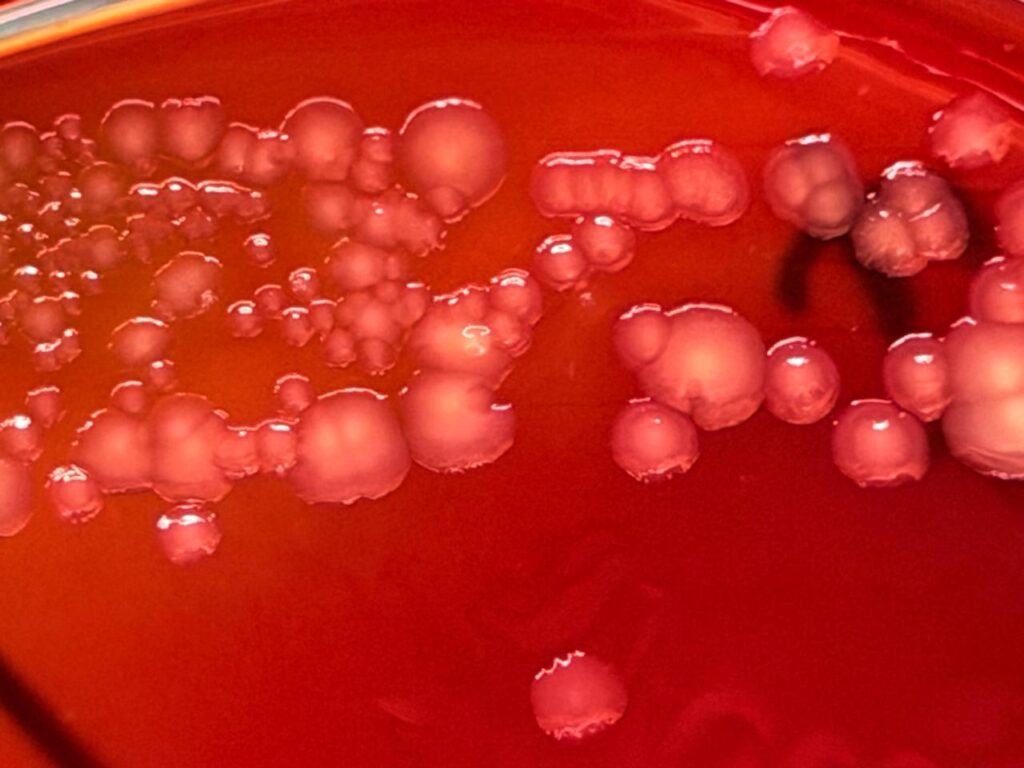
- Colony Appearance: Smooth, circular, convex, and creamy-white on standard agar.
Pathogenicity
- Target Audience: Affects immunocompromised patients, newborns, and hospitalized individuals.
- Risk Factors: Associated with medical devices like indwelling urinary or central venous catheters.
- Clinical Manifestations: Causes bloodstream infections (bacteremia), urinary tract infections (UTIs), pneumonia, skin/soft tissue infections, and neonatal sepsis.
- Virulence Factors: Relies on pili for tissue adherence, flagella for invasion, and biofilm formation to shield itself from host immune defenses.
Laboratory Diagnosis
- Specimen Collection: Blood, urine, sputum, or wound swabs depending on infection site.
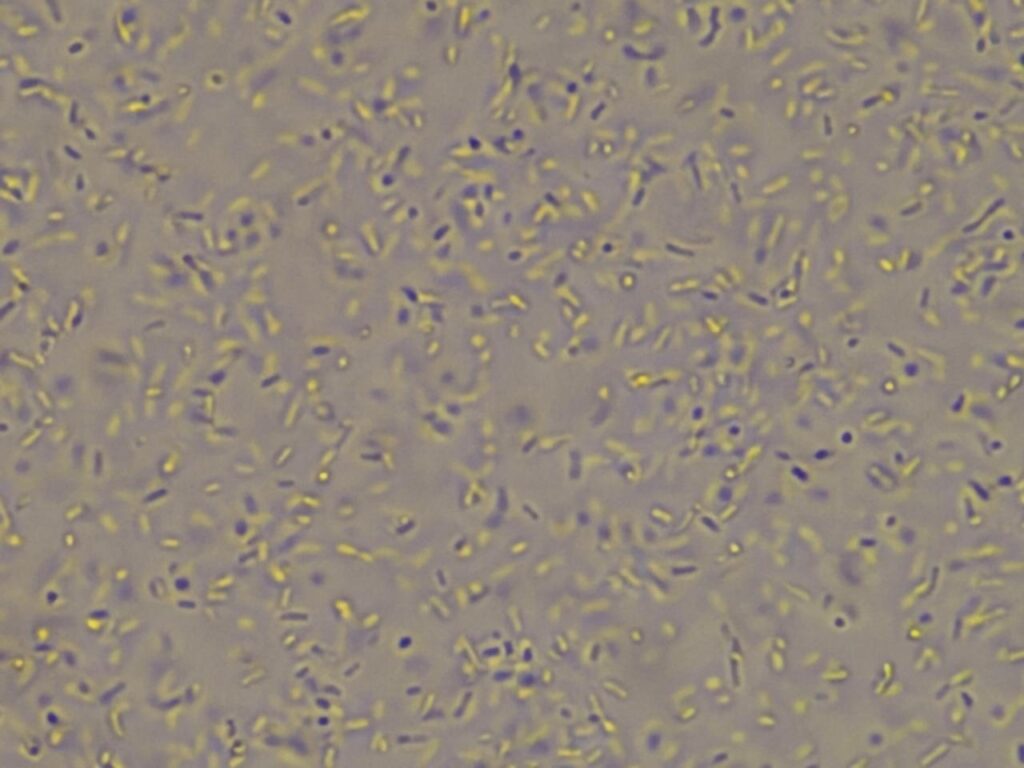
- Microscopy: Gram staining reveals Gram-negative rods.
- Culture Media: Grows easily on Nutrient Agar and MacConkey Agar (appearing as a non-lactose fermenter).
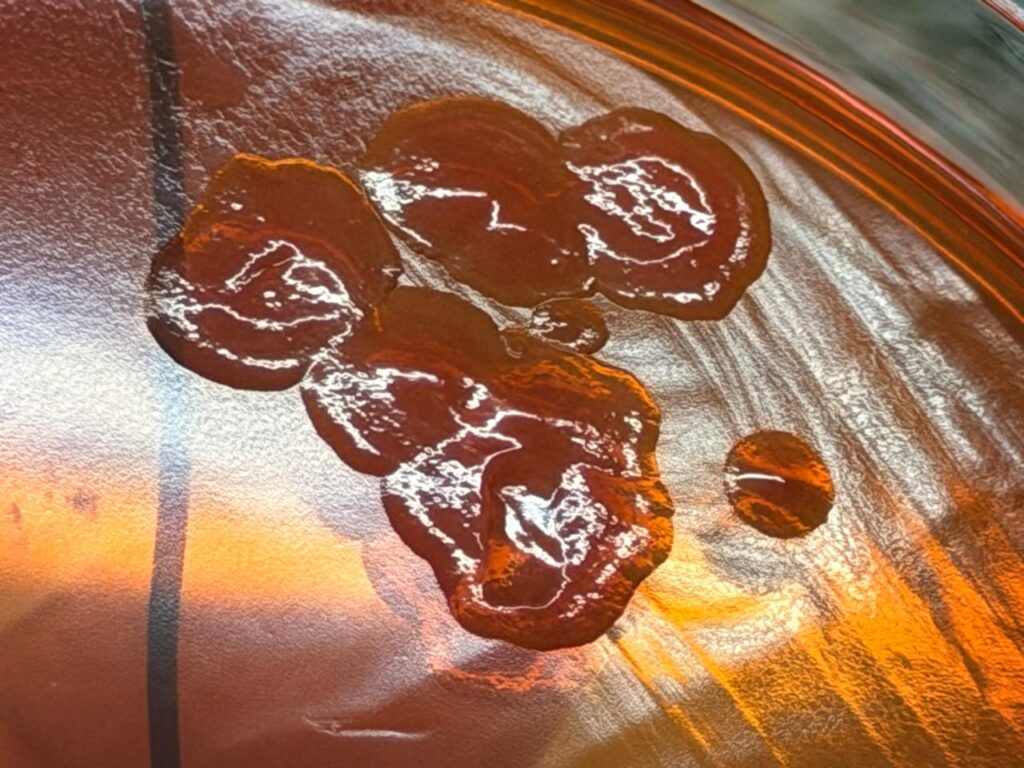
- Incubation: Grows optimally at 30°C to 35°C; cannot grow at 41°C (unlike P. aeruginosa).
- Biochemical Tests:
- Oxidase-positive.
- Catalase-positive.
- Citrate-positive.
- Gelatin liquefaction-negative.
Treatment
- Susceptibility: Shows high sensitivity to colistin, gentamicin, amikacin, and meropenem.
- Resistance: Exhibits intrinsic or acquired resistance to aztreonam, levofloxacin, and ciprofloxacin.
- Approach: Requires a mandatory Antimicrobial Susceptibility Test (AST) due to emerging multidrug-resistant strains.
- Device Removal: Prompt removal or replacement of contaminated catheters or implants is required for cure.
Prevention
- Hygiene: Implementation of rigorous handwashing protocols among healthcare workers.
- Sterilization: Strict disinfection of catheters, ventilators, and surgical instruments.
- Environmental Control: Minimizing standing water and damp areas in clinical environments to restrict habitat growth.
- Aseptic Care: Maintaining sterile techniques during the insertion and maintenance of indwelling lines.
Further Readings
- https://www.canada.ca/en/health-canada/services/chemical-substances/fact-sheets/chemicals-glance/pseudomonas-putida.html
- https://www.indogulfbioag.com/post/pseudomonas-putida-application
- https://www.sciencedirect.com/topics/agricultural-and-biological-sciences/pseudomonas-putida
- https://pmc.ncbi.nlm.nih.gov/articles/PMC9726331/
- https://pmc.ncbi.nlm.nih.gov/articles/PMC6946569/
- https://microbewiki.kenyon.edu/index.php/Pseudomonas_putida_alesha_%26_gwen
- https://microbenotes.com/pseudomonas-putida/
- https://www.sciencedirect.com/science/chapter/edited-volume/pii/B9780323905138000066
- https://pmc.ncbi.nlm.nih.gov/articles/PMC9772044/