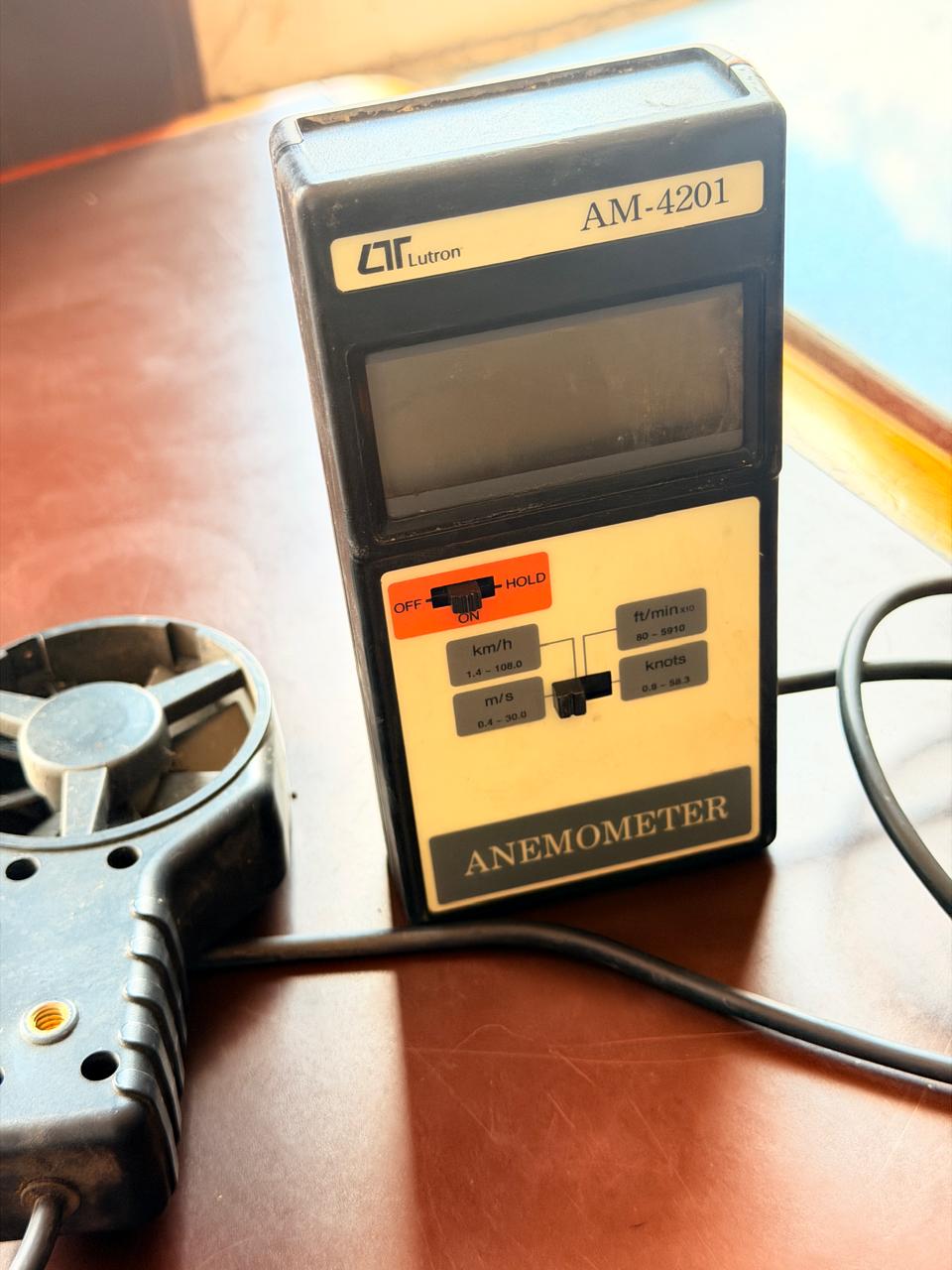
Anemometer: Introduction, Principle, Handling Procedure, Application, and Keynotes
Introduction Principle Handling Procedure Application Keynotes Further Readings

This site is fully related to medical laboratory information for public and health care professionals.
Introduction Principle Handling Procedure Application Keynotes Further Readings
Introduction An Air Handling Unit (AHU) is the heart of a building’s Heating, Ventilation, and Air Conditioning (HVAC) system. It regulates and circulates air to maintain comfortable indoor environments. An AHU is a large metal box containing various components to condition indoor air. It collects …
Introduction to the Filters Direct Comparison The critical trade-offs between HEPA and ULPA filtration systems are outlined below: Feature HEPA Filters ULPA Filters Efficiency Rating 99.97%efficiency 99.999%efficiency Target Particle Size 0.3 µm (Most Penetrating Particle Size) 0.12 µm or larger Airflow Resistance Lower static pressure …
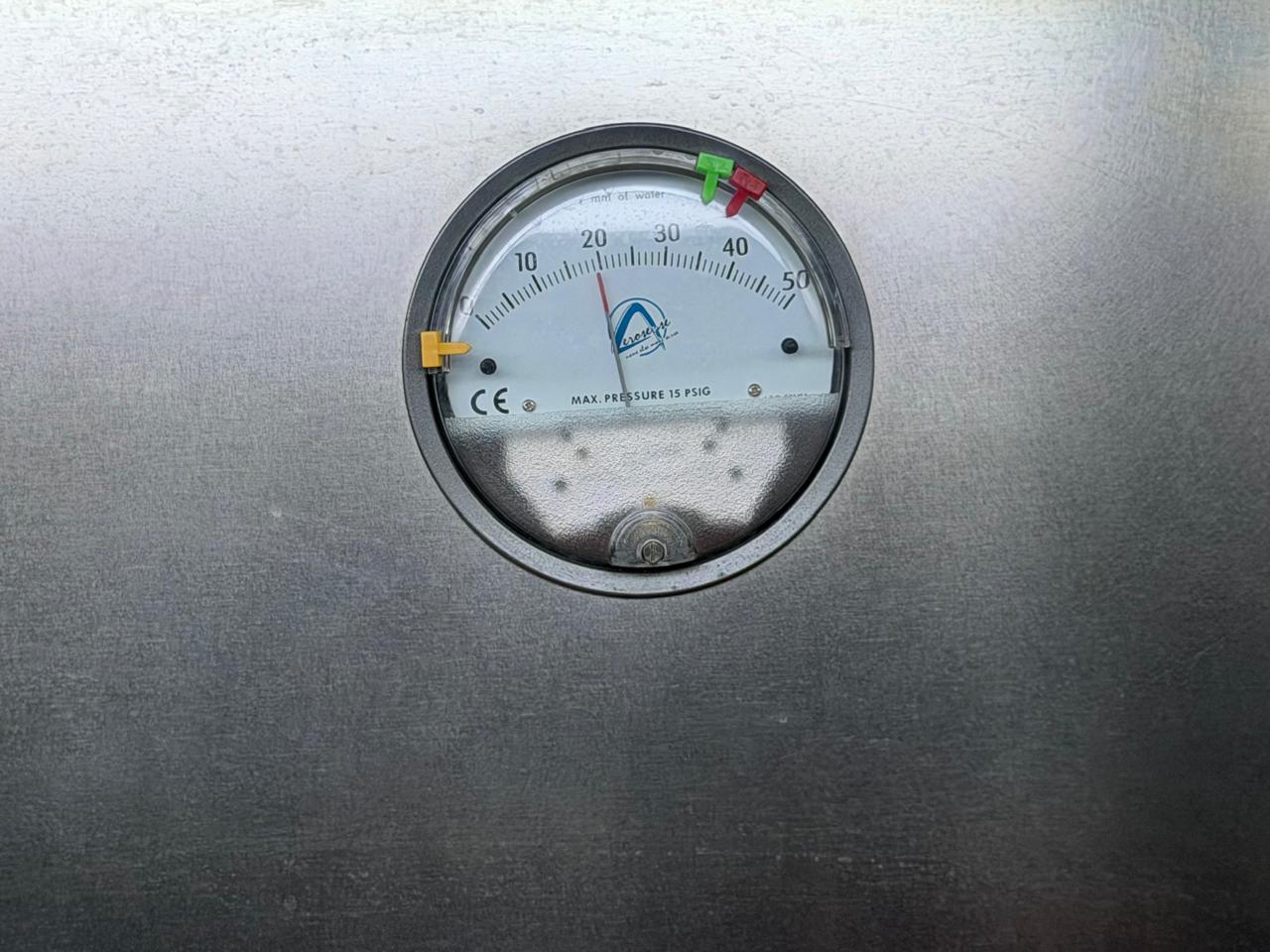
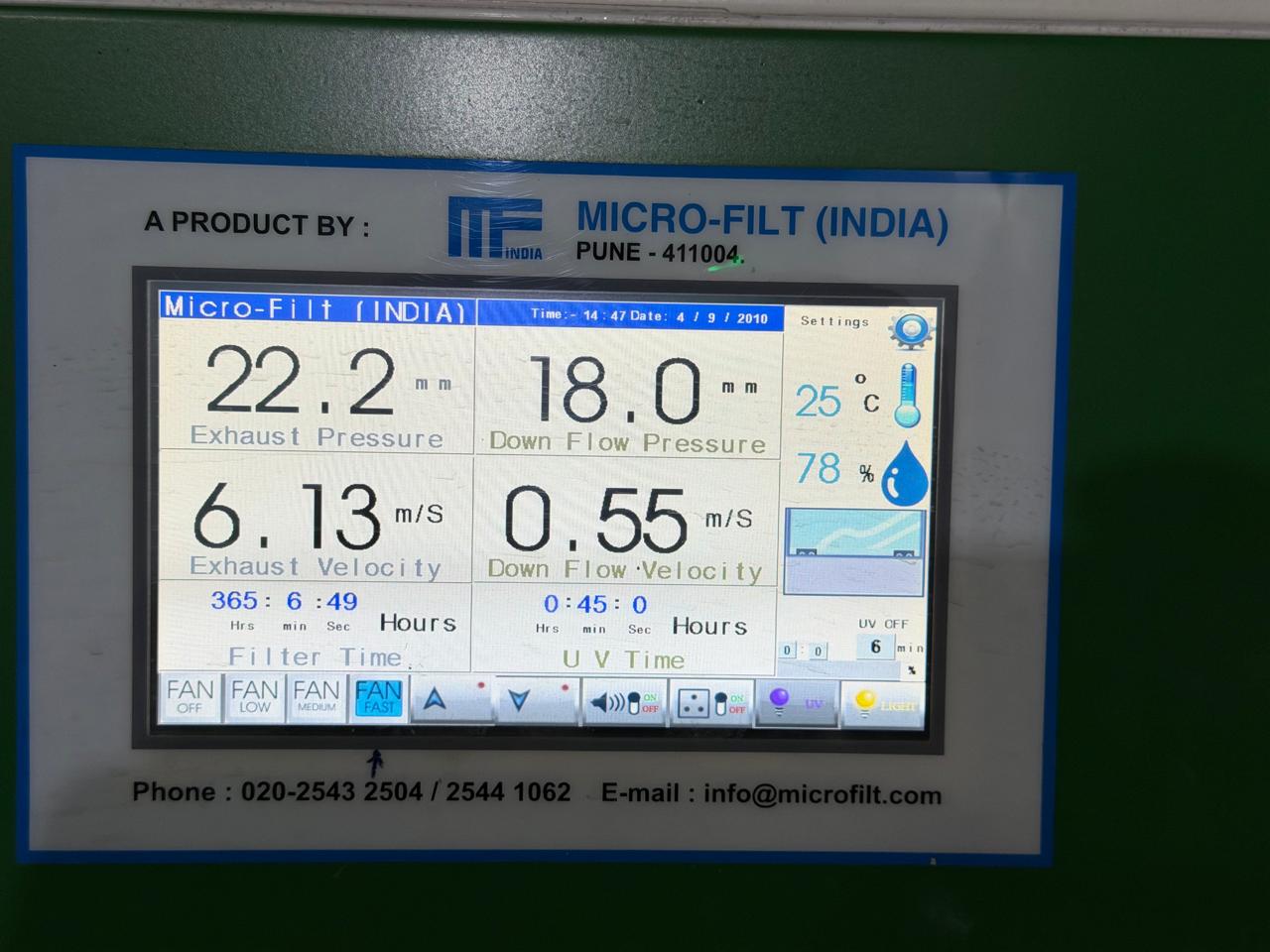
No, several crucial velocity parameters on the screen are currently operating far outside their safe range, as shown in the image below. When operating correctly, these containment units keep personnel and samples safe via balanced, controlled airflow velocities. Here is an analysis of the current …
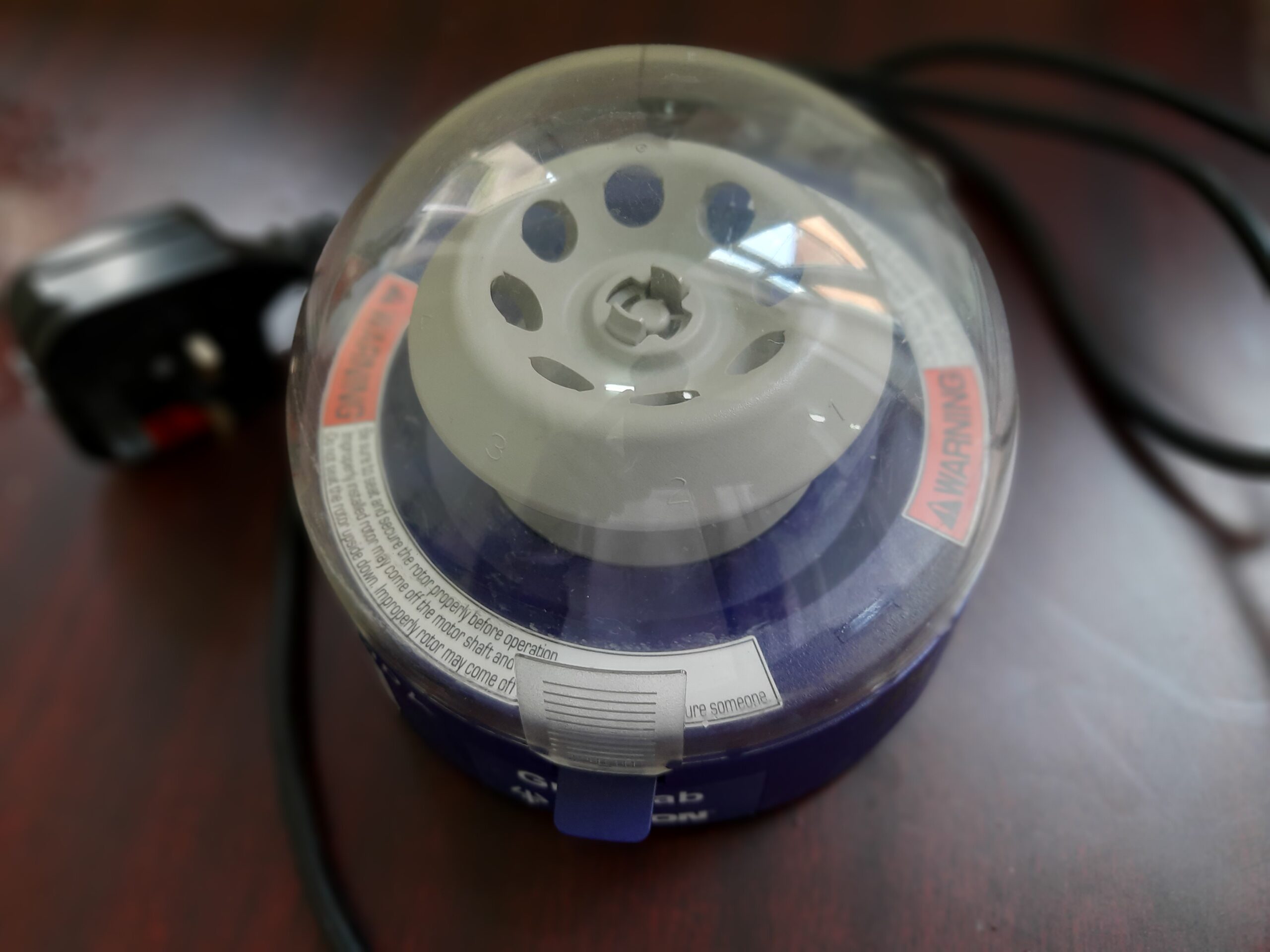
Introduction Also known as a microcentrifuge, this compact tool is a staple in biological, clinical, and molecular laboratories. Unlike massive, refrigerated floor models, mini-centrifuges are designed for quick spins. They typically accommodate 0.2 mL to 2.0 mL microcentrifuge tubes and feature fixed-angle rotors that reach …

Introduction Incineration is a thermal treatment process that combusts organic substances contained in waste materials. These plants are crucial for modern waste management, particularly for hazardous or clinical waste, by providing a sterile, efficient disposal method that reduces the need for landfill space. Modern plants …

Introduction A Bio-Incubator is a laboratory device designed to provide a controlled environment of temperature, humidity, and time for the growth and maintenance of microbial cultures, cell lines, and biological reactions. It is an essential tool in microbiology, molecular biology, biotechnology, and clinical diagnostics.By maintaining …

Introduction Accurate identification of fungi is critical for clinical, environmental, and epidemiological purposes. Traditional culture and morphology-based methods are time-consuming and may misidentify cryptic or closely related species. PCR amplification followed by Sanger sequencing of conserved genetic loci (e.g., ITS, 18S rRNA, 28S rRNA, β-tubulin, …