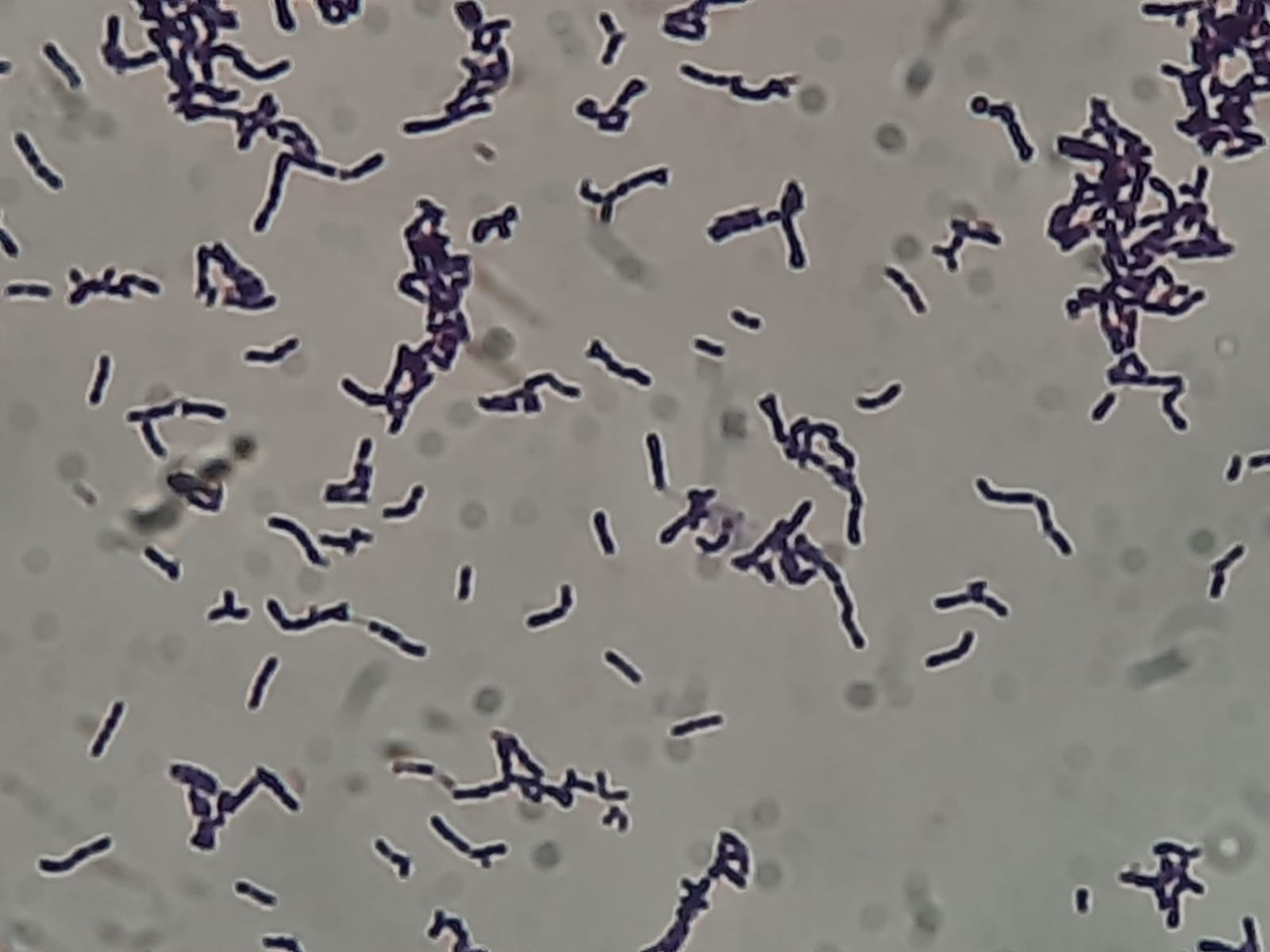
Nontuberculous Mycobacteria (NTM): Introduction, Morphology, Pathogenicity, Lab Diagnosis, Treatment, Prevention, and Keynotes
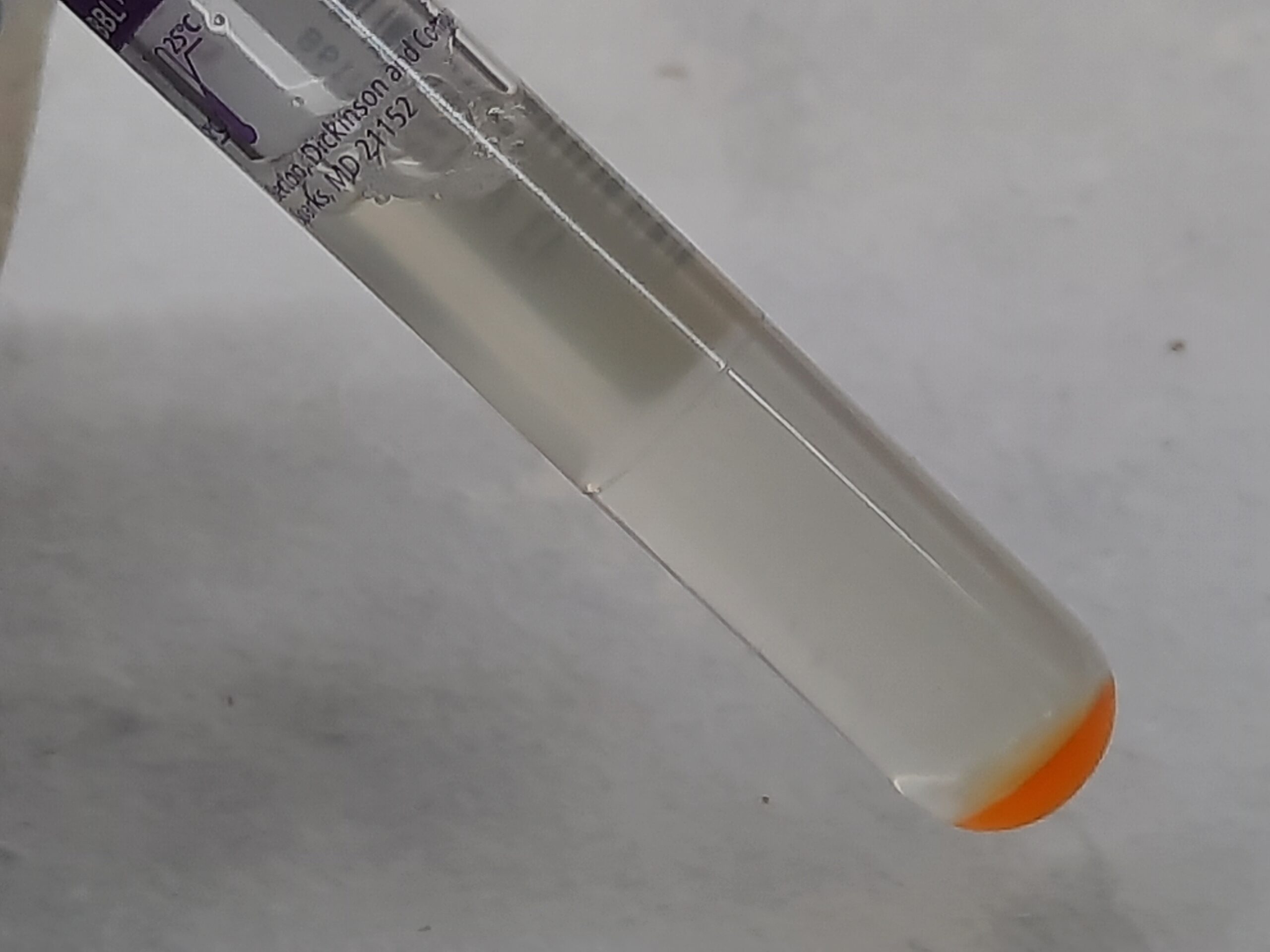
Turbid growth of Nontuberculous Mycobacteria (NTM), Mycobacterium fortuitum in a Mycobacteria Growth Indicator Tube (MGIT)

Introduction Nontuberculous Mycobacteria (NTM) are a large group of over 190 species of mycobacteria that are present in the environment (soil and water). They do not cause tuberculosis or leprosy, and they are opportunistic pathogens, largely infecting individuals with pre-existing lung conditions, weakened immunity, or …
Read more

Mycobacterium tuberculosis complex (MTBC): Introduction, Morphology, Pathogenicity, Lab Diagnosis, Treatment, Prevention, and Keynotes

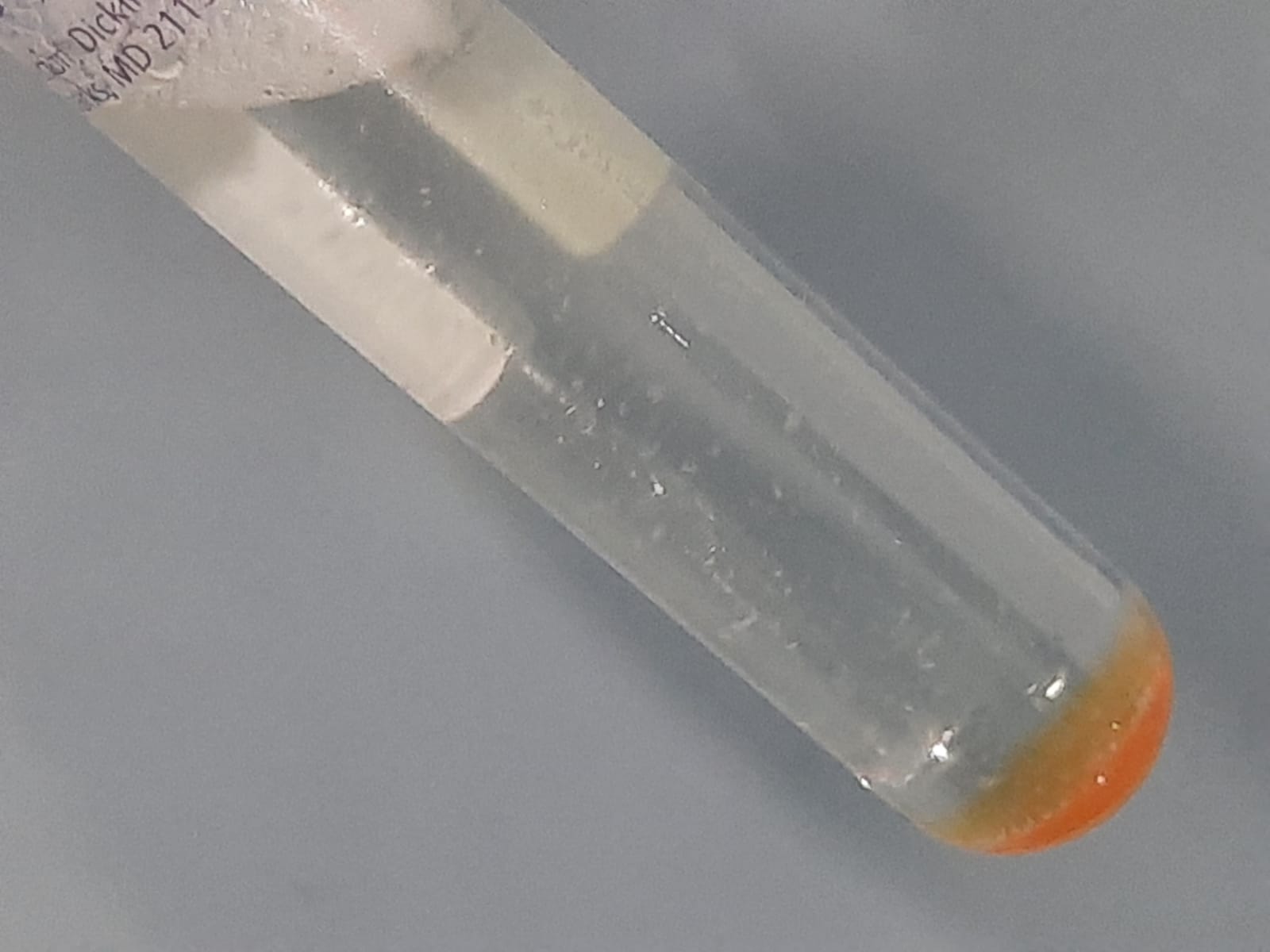
Mycobacterium tuberculosis complex grow on MGIT having modified Middlebrook 7H9 broth with PANTA supplement after 13 days of incubation

Introduction The Mycobacterium tuberculosis complex (MTBC) is a group of genetically related bacterial species that cause tuberculosis (TB) in humans and various animals. While Mycobacterium tuberculosis (sensu stricto) is the primary cause of human tuberculosis, the complex includes several other species with distinct host preferences and geographic distributions.  Morphology …

Read more

Mycobacterium fortuitum : Introduction, Morphology, Pathogenicity, Lab Diagnosis, Treatment, Prevention, and Keynotes

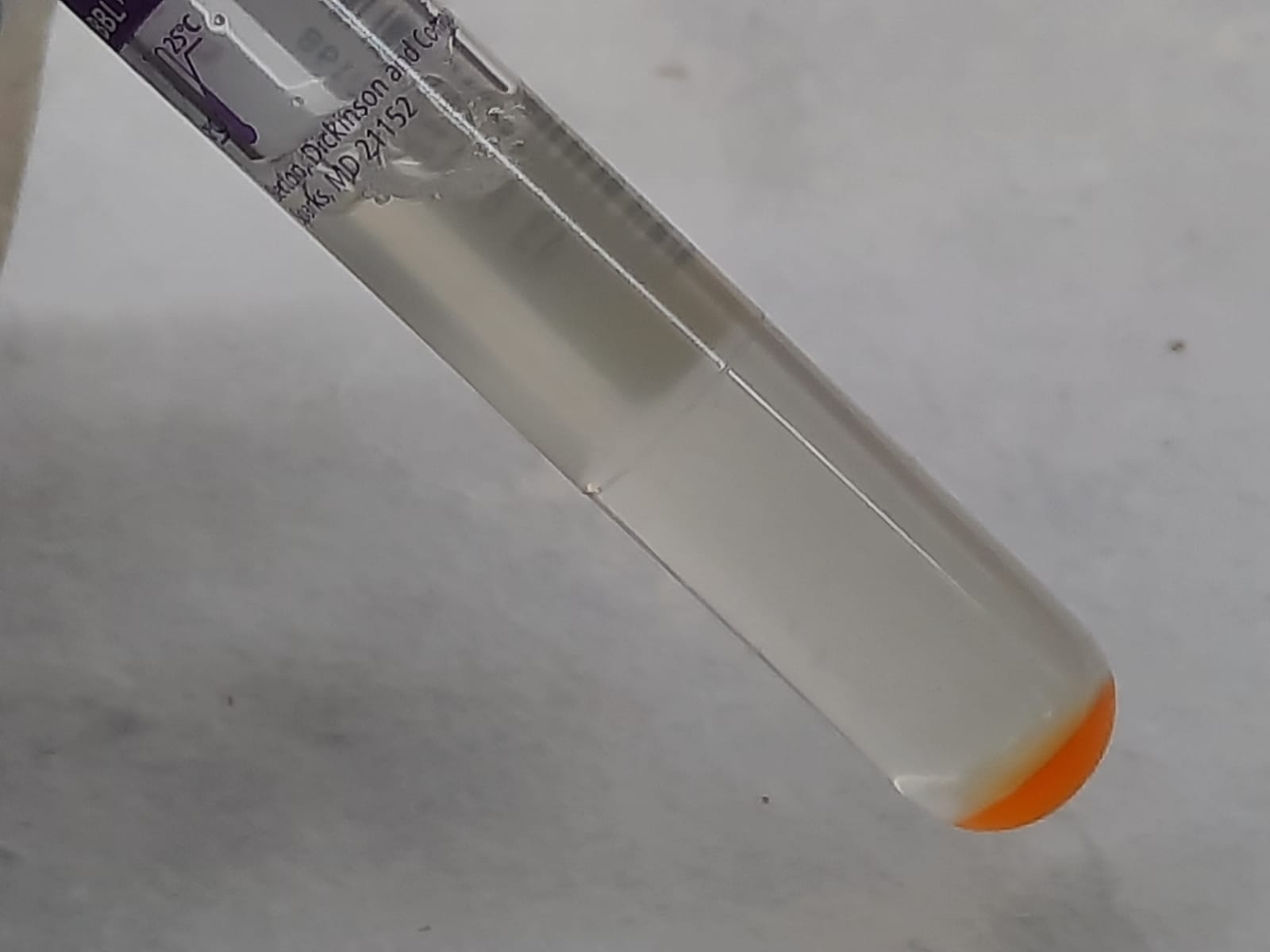
Mycobacterium fortuitum growth on modified Middlebrook 7H9 broth with PANTA supplement after 3 days of incubation

Introduction Mycobacterium fortuitum is a rapidly growing, nontuberculous mycobacterium (NTM). It is found ubiquitously in the environment, primarily associated with skin, soft tissue, and post-surgical wound infections. As an opportunistic pathogen that is known for its ability to grow within 7 days, it often causes infections …

Read more

Dalmau Plate Technique: Introduction, Principle, Test Requirements, Procedure, Application, and Keynotes

Dalmau Plate Microscopy at high power field (40X objective)

Introduction The Dalmau plate technique is a classic mycological method used to identify and differentiate yeast species, specifically Candida species, by observing their unique morphological features.  The technique is a specialized culture method that uses a “starvation medium” to induce the formation of characteristic structures like pseudohyphae, blastoconidia, and chlamydospores. It remains …

Read more

Rothia kristinae: Introduction, Pathogenicity, Lab Diagnosis, Treatment, Prevention, and Keynotes

R. kristinae in Gram-stained culture microscopy shows irregular, pleomorphic Gram-positive bacilli, ranging from short rods to e

Introduction Pathogenicity While typically considered a low-grade commensal, it causes serious infections primarily in immunocompromised patients or those with indwelling medical devices.  Lab Diagnosis Treatment There are no official clinical breakpoints, so treatment is often guided by expert consultation and raw Minimum Inhibitory Concentration (MIC) values.  Prevention Keynotes …

Read more

Serpentine Cord: Introdction, Clinical Significance, and Keynotes

Serpentine cord or Cord factor or Trehalose dimycolate,TDM of Mycobacterium tuberculosis complex (MTBC) in Ziehl-Neelsen Staining of modified Middlebrook 7H9 Broth at a magnification of 1600X

Introduction Clinical Significance Keynotes Further Readings

Isolation and Preliminary Identification of Bacterial and Yeast Colonies on Sabouraud Dextrose Agar Using the Wet Mount Technique

Isolation and Preliminary Identification of Bacterial and Yeast Colonies on Sabouraud Dextrose Agar Using the Wet Mount Technique

Introduction Sabouraud Dextrose Agar (SDA) is a commonly used culture medium in clinical mycology laboratories for the isolation of fungi, particularly yeasts and molds. Due to its acidic pH and high dextrose concentration, SDA favors fungal growth; however, bacteria and yeasts may also grow, especially …

Read more

Streptococcus agalactiae (GBS): Introduction, Pathogenicity, Lab Diagnosis, Treatment, and Keynotes

Gram-positive cocci in chains Streptococcus agalactiae (GBS)

Introduction Streptococcus agalactiae, also known as Group B Streptococcus (GBS), is a Gram-positive, beta-hemolytic coccus arranged in chains. It is a major cause of neonatal sepsis, meningitis, and infections in pregnant women, and an emerging pathogen in immunocompromised adults. GBS commonly colonizes the gastrointestinal and …

Read more