Nontuberculous Mycobacteria (NTM): Introduction, Morphology, Pathogenicity, Lab Diagnosis, Treatment, Prevention, and Keynotes
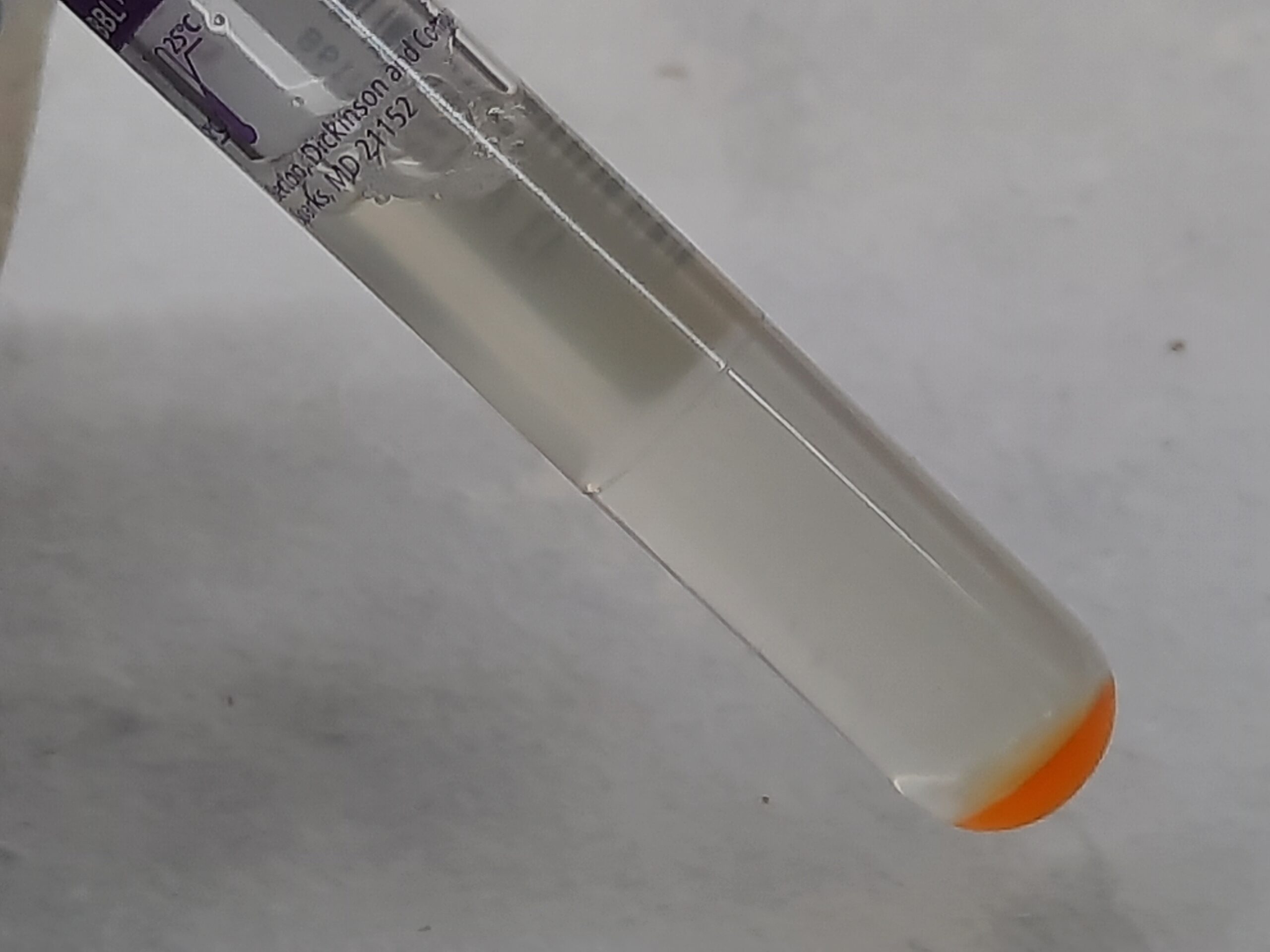
Turbid growth of Nontuberculous Mycobacteria (NTM), Mycobacterium fortuitum in a Mycobacteria Growth Indicator Tube (MGIT)

Introduction Nontuberculous Mycobacteria (NTM) are a large group of over 190 species of mycobacteria that are present in the environment (soil and water). They do not cause tuberculosis or leprosy, and they are opportunistic pathogens, largely infecting individuals with pre-existing lung conditions, weakened immunity, or …

Read more

Fungal Blood Culture-Mold: Introduction, Principle, Clinical Significance, and Keynotes

Fungal Blood Culture Bottle showing fungal growth

Introduction Molds such as Aspergillus, Fusarium, Scedosporium, and members of the Mucorales are important causes of invasive fungal infections, particularly in immunocompromised patients (oncology, transplant, hematology, ICU). Unlike yeasts (Candida, Cryptococcus), which are more frequently recovered from blood cultures, molds are rarely detected in routine …

Read more

Common Invasive Fungal Pathogens in Cancer Patients: Introduction, List, Risk factors, and Keynotes

Common Invasive Fungal Pathogens in Cancer Patients- Introduction, List, Risk factors, and Keynotes

Introduction Common invasive fungal pathogens that frequently affect cancer patients, especially those who are immunocompromised due to chemotherapy, hematologic malignancies, or bone marrow/stem cell transplants. List of Common Invasive Fungal Pathogens 1. Candida species Causes: Candidemia, disseminated candidiasisRisk: Neutropenia, central venous catheter, broad-spectrum antibiotics 2. …

Read more