Dalmau Plate Technique: Introduction, Principle, Test Requirements, Procedure, Application, and Keynotes

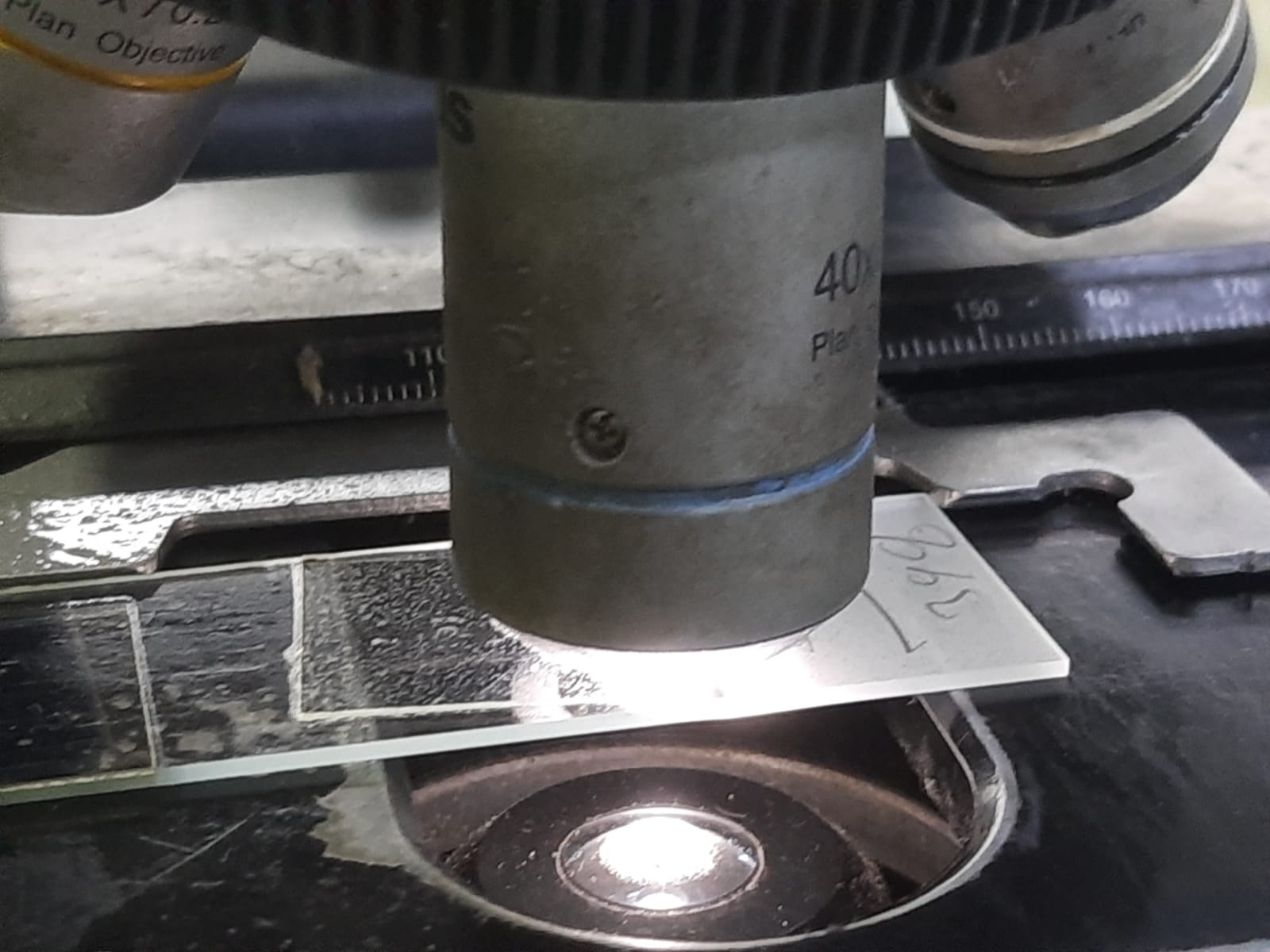
Dalmau Plate Microscopy at high power field (40X objective)

Introduction The Dalmau plate technique is a classic mycological method used to identify and differentiate yeast species, specifically Candida species, by observing their unique morphological features.  The technique is a specialized culture method that uses a “starvation medium” to induce the formation of characteristic structures like pseudohyphae, blastoconidia, and chlamydospores. It remains …

Read more

Fungal Elements in KOH Mount of Urine Microscopy: Introduction, Fungal Elements Observed in Urine KOH Mount, Applications, and Keynotes

Fungal elements in KOH Mount of Urine Microscopy- Introduction, Fungal Elements Observed in Urine KOH Mount, Applications, and Keynotes

Introduction Potassium Hydroxide (KOH) mount is a simple, rapid, and cost-effective microscopic technique used to detect fungal elements in various clinical specimens, including urine samples. When fungal infection of the urinary tract (funguria) is suspected—especially in immunocompromised, diabetic, or catheterized patients—KOH mount helps visualize yeast …

Read more

Throat Swab Gram stain: Introduction, Report-Interpretation, Clinical Significance, and Keynotes

Gram positive and Gram negative bacteria in throat swab Gram stain photomicrograph at a magnification of 4000X

Introduction A throat swab Gram stain is a rapid, initial diagnostic test performed on specimens collected from the oropharynx or tonsillar region. It helps to identify bacterial flora, pathogens, and inflammatory response. While culture and molecular methods provide definitive diagnosis, Gram staining offers early guidance …

Read more

Blood Culture–Positive Yeasts: Introduction, Common molds, Comparison, and Keynotes

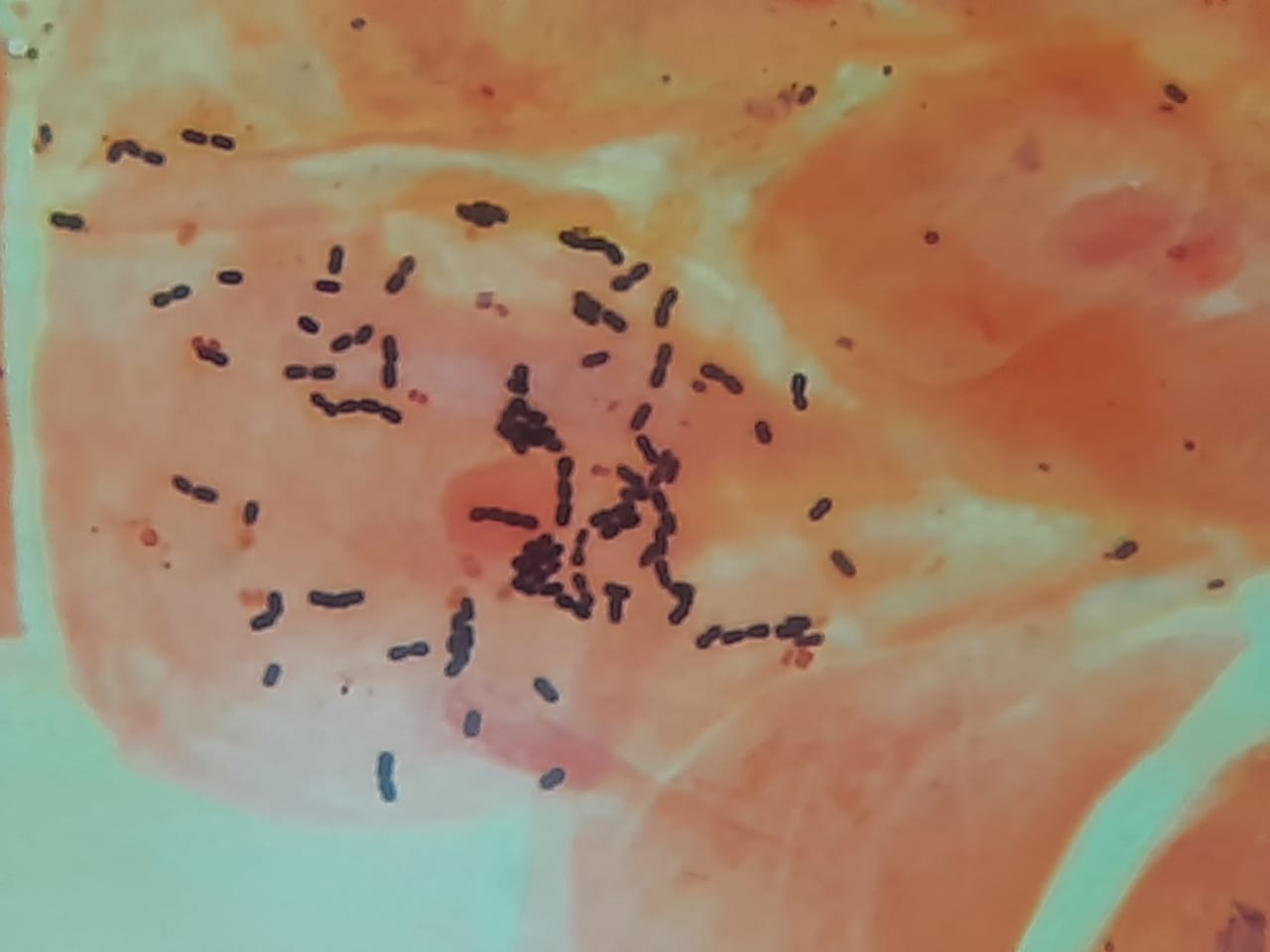
Gram-positive budding yeast-like cells, oval to elongated, arranged singly, in pairs, and in short pseudohyphae-like forms in Gram staining of culture microscopy at a magnification of 4000X

Introduction Unlike molds, yeasts are the most commonly recovered fungi in blood cultures. Candidemia is among the leading causes of bloodstream infections in immunocompromised and critically ill patients. Yeasts such as Candida, Cryptococcus, and Trichosporon are responsible for significant morbidity and mortality. Blood culture positivity …

Read more

Yeast Identification by Chromogenic Media: Introduction, Principle, Clinical Significance, and Keynotes

Yeast Identification by Chromogenic Media (HiMedia)

Introduction of Yeast Identification by Chromogenic Media (HiMedia) Opportunistic yeasts, especially Candida species, are frequent causes of infections ranging from superficial candidiasis to life-threatening systemic disease. Conventional identification based on culture and biochemical tests can be time-consuming and may not reliably distinguish closely related species. …

Read more

Yeast Identification by MALDI-TOF (VITEK): Introduction, Principle, Clinical Significance, and Keynotes

Yeast Identification by MALDI-TOF (VITEK): Introduction, Principle, Clinical Significance, and Keynotes

Introduction Yeasts, especially Candida species, are among the most important causes of opportunistic fungal infections in humans. Accurate and rapid identification is crucial for guiding antifungal therapy and improving patient outcomes. Traditional phenotypic methods are time-consuming and often misidentify cryptic species. Matrix-Assisted Laser Desorption/Ionization Time-of-Flight …

Read more

Yeast Identification by Auxacolor System-Introduction, Principle, Clinical Significance, and Keynotes

Introduction The Auxacolor System is a commercially available biochemical-based yeast identification method widely used in clinical microbiology laboratories. It provides a simple, standardized approach to identifying medically important yeasts, including Candida, Cryptococcus, Trichosporon, and others. Unlike molecular tools or MALDI-TOF MS, Auxacolor is inexpensive, does …

Read more

Comparative Microscopy of Candida Species: Introduction, Table, and Keynotes

Chlamydospores of Candida albicans found in direct clinical sample(sputum) KOH mount Microscopy (Mag.1600X)

Introduction The genus Candida comprises a diverse group of opportunistic yeasts frequently isolated from human clinical specimens. Among them, Candida albicans remains the most common cause of infections; however, non-albicans Candida species, such as C. tropicalis, C. glabrata, and C. krusei, are increasingly recognized as important pathogens in immunocompromised patients, …

Read more