Blood Culture–Positive Yeasts: Introduction, Common molds, Comparison, and Keynotes

Gram-positive budding yeast-like cells, oval to elongated, arranged singly, in pairs, and in short pseudohyphae-like forms in Gram staining of culture microscopy at a magnification of 4000X

Introduction Unlike molds, yeasts are the most commonly recovered fungi in blood cultures. Candidemia is among the leading causes of bloodstream infections in immunocompromised and critically ill patients. Yeasts such as Candida, Cryptococcus, and Trichosporon are responsible for significant morbidity and mortality. Blood culture positivity …

Read more

MDR Candida NGS:Introduction, Principle, Test Requirements, Procedure, Result-Interpretation, Clinical Significance, and Keynotes

MDR Candida NGS:Introduction, Principle, Test Requirements, Procedure, Result-Interpretation, Clinical Significance, and Keynotes

 Introduction of MDR Candida NGS MDR Candida NGS refers to the use of Next-Generation Sequencing for the detection, identification, and resistance gene profiling of multidrug-resistant (MDR) Candida species, such as Candida auris, Candida glabrata, and others resistant to azoles, echinocandins, or polyenes. Next-generation sequencing (NGS) …

Read more

Candida auris Screening in a Simple Setup: Introduction, When to Suspect it, Identification Methods,Confirmatory Identification, and Summary Table

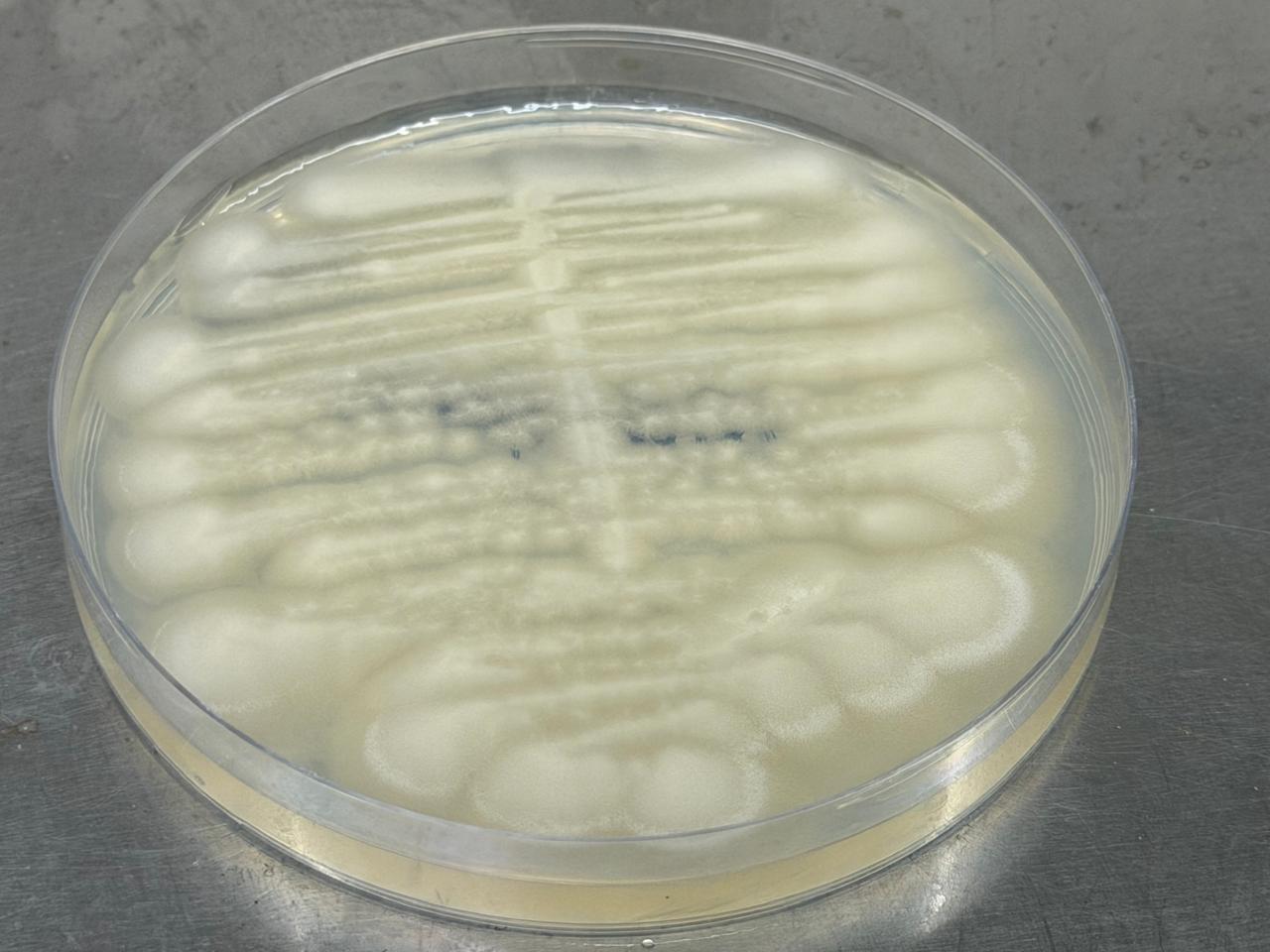
Candida auris colony morphology

Introduction of Candida auris Screening in a Simple Setup Candida auris Screening in a Simple Setup is possible to presumptively identify Candida auris in a simple laboratory setup, though definitive identification typically requires advanced methods. In resource-limited or basic clinical microbiology labs, we can still …

Read more