Unmasking Fungal Pathogens: A Deep Dive into the MYCOscreen18 PCR Panel

Fungal growth on SDA

Introduction to MYCOscreen18 PCR Panel Identifying fungal infections quickly and accurately is a critical challenge in clinical diagnostics. Traditional culture methods can take weeks, often delaying life-saving treatments. Enter the MYCOscreen18 Fungus PCR Panel Kit by Genient—a multiplexed qPCR solution designed to detect and identify …

Read more

TrueNat for Tuberculosis: Introduction, Principle, Procedure, Result-Interpretation, application, and Keynotes

Introduction TrueNat is a rapid, chip-based, and portable molecular diagnostic test. It is developed by Molbio Diagnostics for the detection of tuberculosis (TB) and rifampicin (RIF) resistance. It is the first molecular point-of-care test for TB recommended by the World Health Organization (WHO).  Principle The TrueNat system …

Read more

Bio-Incubator: Introduction, Application, and Keynotes

This Bio-Incubator provides a stable environment for the growth and incubation of microbial cultures, enzymatic reactions, and biological assays. The display screen shows the process status as “FINISHED” with a temperature reading of 27.2°C, indicating the incubation cycle is complete. It is commonly used in clinical, molecular, and research laboratories for applications such as culture incubation, spore testing, and enzyme activation.

Introduction A Bio-Incubator is a laboratory device designed to provide a controlled environment of temperature, humidity, and time for the growth and maintenance of microbial cultures, cell lines, and biological reactions. It is an essential tool in microbiology, molecular biology, biotechnology, and clinical diagnostics.By maintaining …

Read more

Sanger Sequencers for Fungal Identification: Introduction, Application, and Keynotes

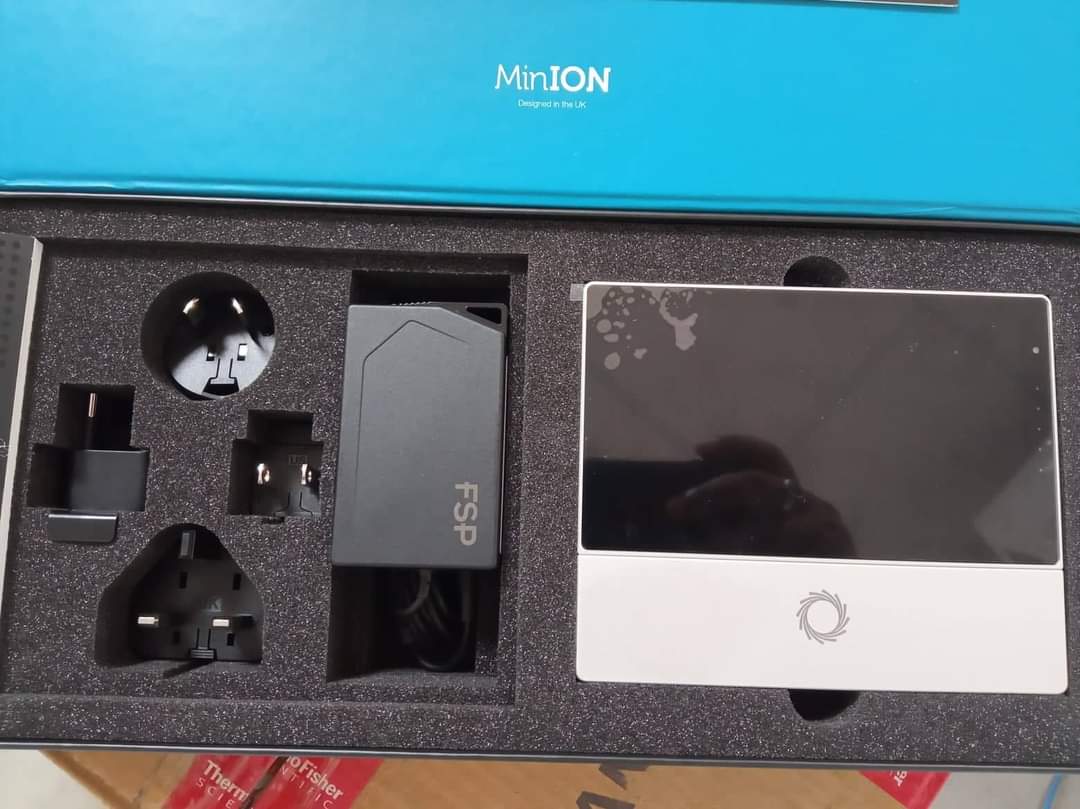
The box having the MinION sequencing device, Power adapter (FSP),Interchangeable international plugs- widely used in clinical mycology, genomics, and rapid pathogen surveillance

Introduction Sanger sequencing, developed by Frederick Sanger in 1977, is a chain-termination DNA sequencing method that remains the gold standard for molecular-level fungal identification.It is widely used to determine the exact nucleotide sequence of specific fungal genes (e.g., ITS, D1/D2, LSU, SSU, β-tubulin, calmodulin) to accurately identify fungal …

Read more

Fungal Identification by PCR-Sequencing (Sanger): Introduction, Principle, Clinical Significance, and Keynotes

Pure culture of Candida

Introduction Accurate identification of fungi is critical for clinical, environmental, and epidemiological purposes. Traditional culture and morphology-based methods are time-consuming and may misidentify cryptic or closely related species. PCR amplification followed by Sanger sequencing of conserved genetic loci (e.g., ITS, 18S rRNA, 28S rRNA, β-tubulin, …

Read more

Candida auris PCR-Directly on Clinical Samples: Introduction, Principle, Clinical Significance, and Keynotes

Candida auris PCR-Directly on Clinical Samples: Introduction, Principle, Clinical Significance, and Keynotes

Introduction Candida auris is an emerging multidrug-resistant yeast responsible for outbreaks of healthcare-associated infections worldwide. It is difficult to identify by conventional culture and biochemical methods, often misidentified as other Candida species (C. haemulonii, C. famata). Rapid and accurate detection is essential to initiate infection …

Read more

MDR Candida NGS:Introduction, Principle, Test Requirements, Procedure, Result-Interpretation, Clinical Significance, and Keynotes

MDR Candida NGS:Introduction, Principle, Test Requirements, Procedure, Result-Interpretation, Clinical Significance, and Keynotes

 Introduction of MDR Candida NGS MDR Candida NGS refers to the use of Next-Generation Sequencing for the detection, identification, and resistance gene profiling of multidrug-resistant (MDR) Candida species, such as Candida auris, Candida glabrata, and others resistant to azoles, echinocandins, or polyenes. Next-generation sequencing (NGS) …

Read more

Pneumocystis PCR: Introduction, Principle, Test Requirements, Procedure, Result-Interpretation, Clinical Significance, and Keynotes

Pneumocystis PCR: Introduction, Principle, Test Requirements, Procedure, Result-Interpretation, Clinical Significance, and Keynotes

Introduction Pneumocystis PCR is a molecular diagnostic tool used for the detection of Pneumocystis jirovecii DNA in respiratory specimens, especially in immunocompromised patients suspected of having Pneumocystis pneumonia (PCP).It offers higher sensitivity than traditional staining techniques (e.g., GMS, toluidine blue) and is particularly helpful in …

Read more