Molecular Typing of Fungi: Introduction, Common Molecular Typing Method, and Application
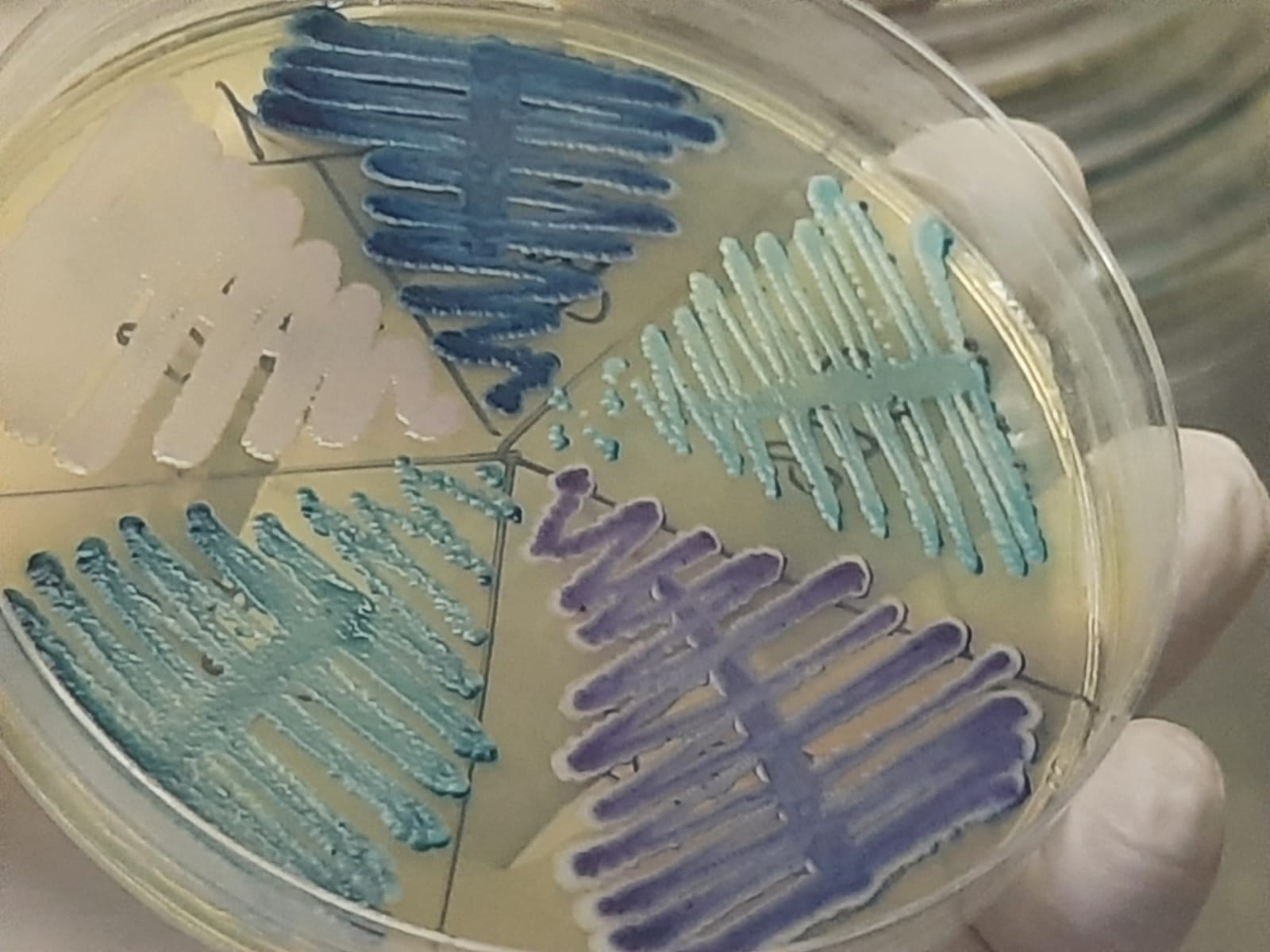
Various Candida species growth on HiCrome Candida Differential Agar

Introduction Molecular typing of fungi uses DNA-based methods to identify species and differentiate strains for clinical, epidemiological, and environmental studies. Key techniques include Internal Transcribed Spacer (ITS) sequencing (the standard for identification), Multilocus Sequence Typing (MLST), restriction fragment length polymorphism (RFLP), and Whole Genome Sequencing (WGS). These methods are crucial for tracking …
Read more

Sanger Sequencers for Fungal Identification: Introduction, Application, and Keynotes

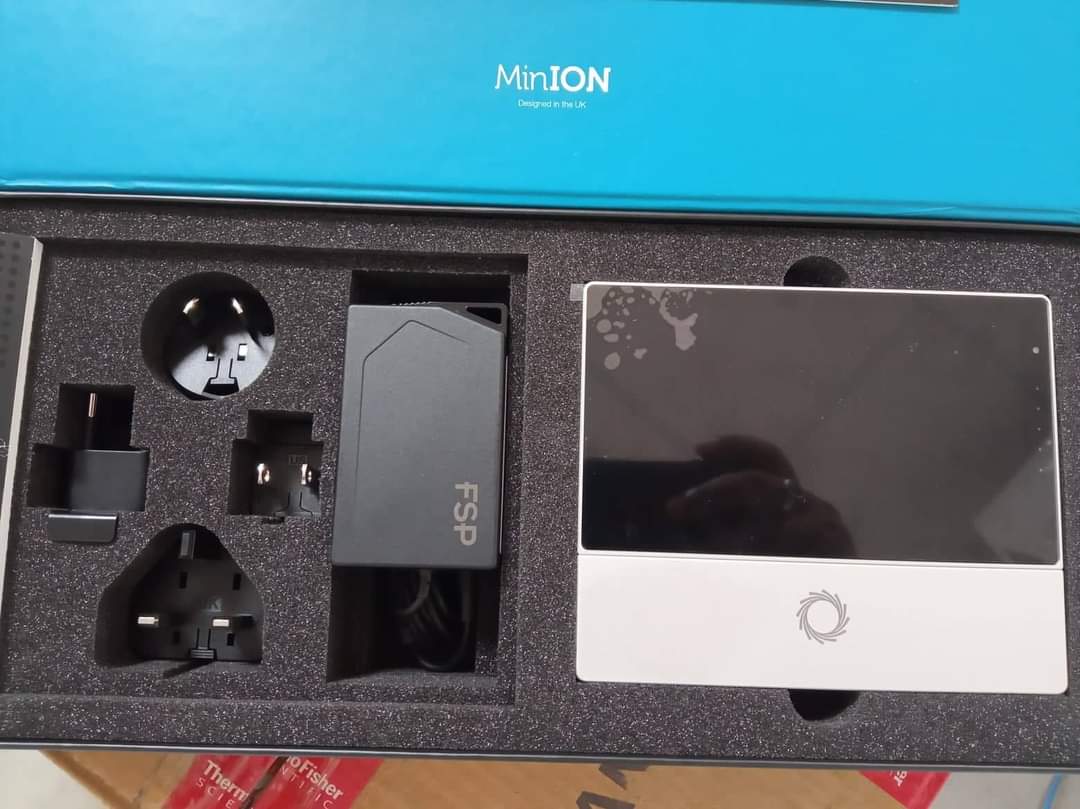
The box having the MinION sequencing device, Power adapter (FSP),Interchangeable international plugs- widely used in clinical mycology, genomics, and rapid pathogen surveillance

Introduction Sanger sequencing, developed by Frederick Sanger in 1977, is a chain-termination DNA sequencing method that remains the gold standard for molecular-level fungal identification.It is widely used to determine the exact nucleotide sequence of specific fungal genes (e.g., ITS, D1/D2, LSU, SSU, β-tubulin, calmodulin) to accurately identify fungal …

Read more

Multilocus sequence typing (MLST)-Introduction, Principle, Test Requirements, Procedure, Result-Interpretation, Application, and Keynotes

Introduction Multilocus Sequence Typing (MLST) is a molecular typing technique used in microbiology and genetics to classify and differentiate bacterial strains based on their genetic diversity. MLST is particularly valuable for studying the epidemiology and evolution of bacterial pathogens. Here is an introduction to the …

Read more