Sanger Sequencers for Fungal Identification: Introduction, Application, and Keynotes
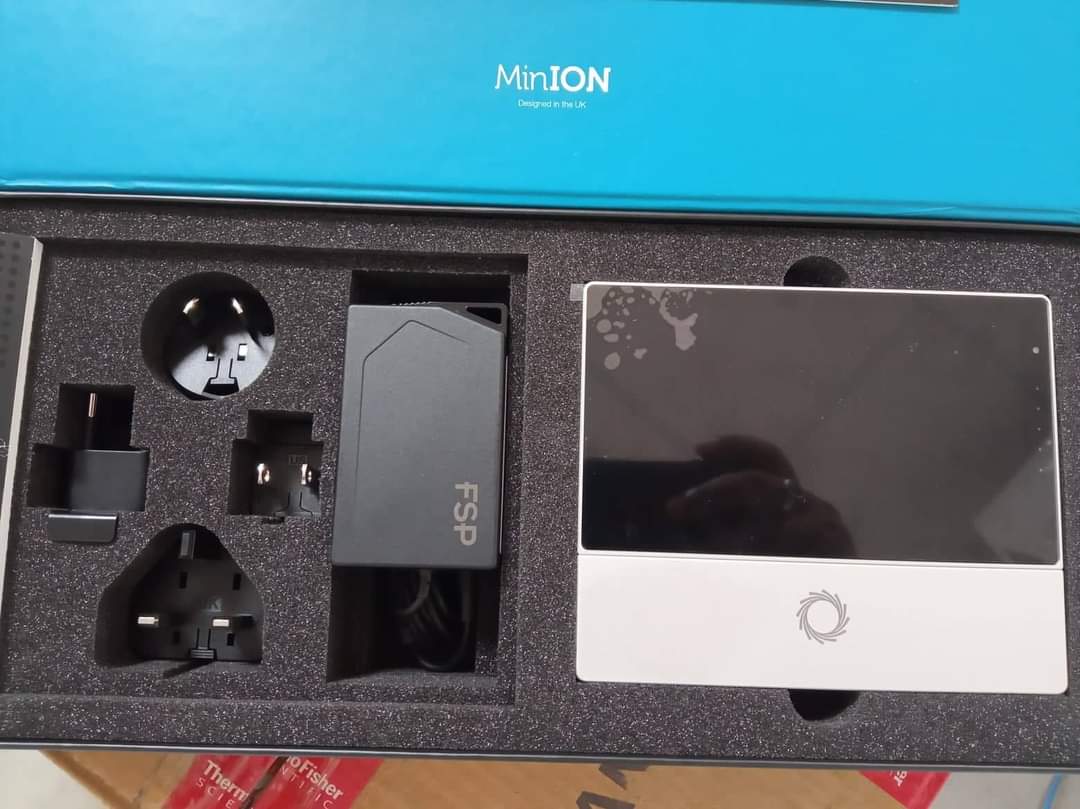
The box having the MinION sequencing device, Power adapter (FSP),Interchangeable international plugs- widely used in clinical mycology, genomics, and rapid pathogen surveillance

Introduction Sanger sequencing, developed by Frederick Sanger in 1977, is a chain-termination DNA sequencing method that remains the gold standard for molecular-level fungal identification.It is widely used to determine the exact nucleotide sequence of specific fungal genes (e.g., ITS, D1/D2, LSU, SSU, β-tubulin, calmodulin) to accurately identify fungal …

Read more

Fungal Identification by PCR-Sequencing (Sanger): Introduction, Principle, Clinical Significance, and Keynotes

Pure culture of Candida

Introduction Accurate identification of fungi is critical for clinical, environmental, and epidemiological purposes. Traditional culture and morphology-based methods are time-consuming and may misidentify cryptic or closely related species. PCR amplification followed by Sanger sequencing of conserved genetic loci (e.g., ITS, 18S rRNA, 28S rRNA, β-tubulin, …

Read more

Fungal Identification by NGS: Introduction, Principle, Test Methods, Test Procedure, Result-Interpretation, Clinical Significance, and Keynotes

PCR products of fungal DNA from pure culture after amplification with primers

Introduction Fungal identification by NGS (Next-Generation Sequencing) uses advanced DNA sequencing. Moreover, it rapidly detects diverse fungal species. It enhances diagnostic accuracy. Additionally, it supports personalized treatment decisions. Principle NGS sequences fungal DNA directly. Consequently, it generates millions of short DNA reads. Then, bioinformatics tools …

Read more