VITEK 2 Yeast AST System: Introduction, Name of Card, Principle, Procedure, Result-Interpretation, and Keynotes
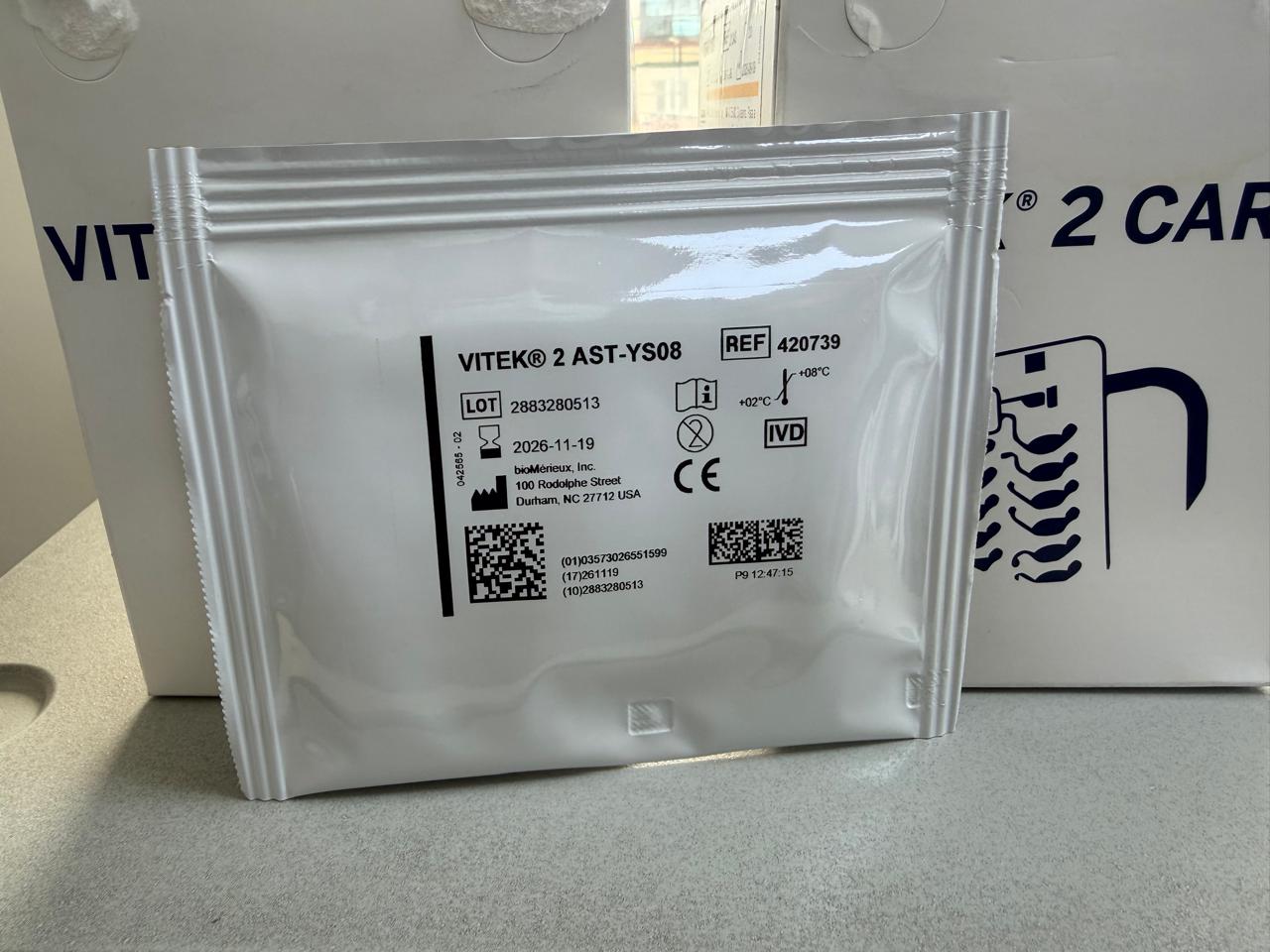
VITEK 2 AST-YS08-Yeast Indentification Card

Introducton The VITEK 2 Yeast AST system is a fully automated solution for the quantitative determination of antifungal susceptibility in clinically significant yeasts, such as Candida species. It provides rapid and accurate results, often in as little as 13 to 24 hours. Name of Card …

Read more

Unmasking Fungal Pathogens: A Deep Dive into the MYCOscreen18 PCR Panel

Fungal growth on SDA

Introduction to MYCOscreen18 PCR Panel Identifying fungal infections quickly and accurately is a critical challenge in clinical diagnostics. Traditional culture methods can take weeks, often delaying life-saving treatments. Enter the MYCOscreen18 Fungus PCR Panel Kit by Genient—a multiplexed qPCR solution designed to detect and identify …

Read more

Advanced Molecular Fungal Diagnostics: Bridging the Gap in Clinical Mycology

Fungal infections represent a growing global health challenge, causing over 1.7 million deaths annually, with nearly 75% of cases remaining undiagnosed or diagnosed too late. The increasing burden of antifungal resistance (AMR) further complicates treatment outcomes, highlighting an urgent need for rapid, accurate, and comprehensive …

Read more

Blood Culture–Positive Yeasts: Introduction, Common molds, Comparison, and Keynotes

Gram-positive budding yeast-like cells, oval to elongated, arranged singly, in pairs, and in short pseudohyphae-like forms in Gram staining of culture microscopy at a magnification of 4000X

Introduction Unlike molds, yeasts are the most commonly recovered fungi in blood cultures. Candidemia is among the leading causes of bloodstream infections in immunocompromised and critically ill patients. Yeasts such as Candida, Cryptococcus, and Trichosporon are responsible for significant morbidity and mortality. Blood culture positivity …

Read more

Yeast Identification by Chromogenic Media: Introduction, Principle, Clinical Significance, and Keynotes

Yeast Identification by Chromogenic Media (HiMedia)

Introduction of Yeast Identification by Chromogenic Media (HiMedia) Opportunistic yeasts, especially Candida species, are frequent causes of infections ranging from superficial candidiasis to life-threatening systemic disease. Conventional identification based on culture and biochemical tests can be time-consuming and may not reliably distinguish closely related species. …

Read more

Fungal Identification by PCR-Sequencing (Sanger): Introduction, Principle, Clinical Significance, and Keynotes

Pure culture of Candida

Introduction Accurate identification of fungi is critical for clinical, environmental, and epidemiological purposes. Traditional culture and morphology-based methods are time-consuming and may misidentify cryptic or closely related species. PCR amplification followed by Sanger sequencing of conserved genetic loci (e.g., ITS, 18S rRNA, 28S rRNA, β-tubulin, …

Read more

Yeast Identification by MALDI-TOF (VITEK): Introduction, Principle, Clinical Significance, and Keynotes

Yeast Identification by MALDI-TOF (VITEK): Introduction, Principle, Clinical Significance, and Keynotes

Introduction Yeasts, especially Candida species, are among the most important causes of opportunistic fungal infections in humans. Accurate and rapid identification is crucial for guiding antifungal therapy and improving patient outcomes. Traditional phenotypic methods are time-consuming and often misidentify cryptic species. Matrix-Assisted Laser Desorption/Ionization Time-of-Flight …

Read more

Candida auris PCR-Directly on Clinical Samples: Introduction, Principle, Clinical Significance, and Keynotes

Candida auris PCR-Directly on Clinical Samples: Introduction, Principle, Clinical Significance, and Keynotes

Introduction Candida auris is an emerging multidrug-resistant yeast responsible for outbreaks of healthcare-associated infections worldwide. It is difficult to identify by conventional culture and biochemical methods, often misidentified as other Candida species (C. haemulonii, C. famata). Rapid and accurate detection is essential to initiate infection …

Read more