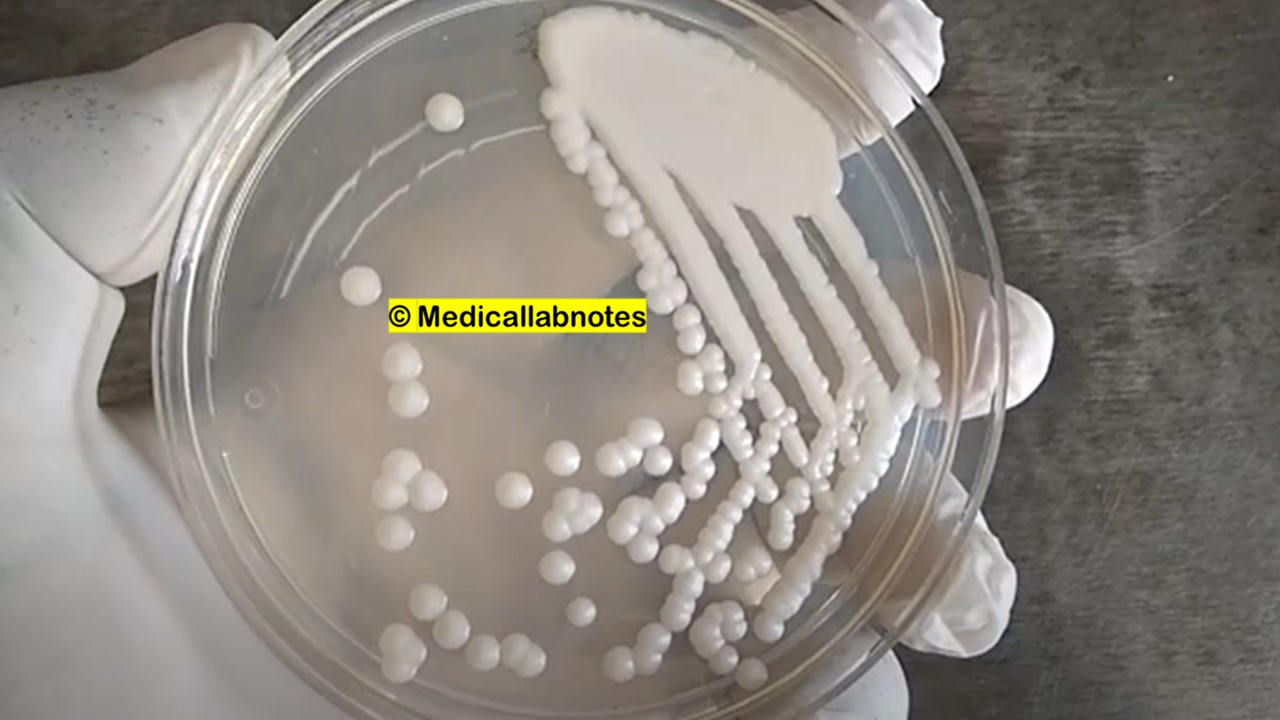
Yeasts-Colorimetric Antifungal Susceptibility Testing: Introduction, Principle, Clinical Significance, and Keynotes

Yeasts-Colorimetric Antifungal Susceptibility Testing-Introduction, Principle, Clinical Significance, and Keynotes

Introduction Yeasts, especially Candida and Cryptococcus species, are frequent causes of opportunistic infections in immunocompromised patients. Determining their antifungal susceptibility is crucial for guiding effective therapy. While broth microdilution methods (CLSI/EUCAST) serve as reference standards, they are labor-intensive and time-consuming. Colorimetric antifungal susceptibility testing systems …

Read more

Yeasts-Broth Microdilution Testing (EUCAST): Introduction, Principle, Clinical Significance, and Keynotes

Yeasts-Broth Microdilution Testing (EUCAST) Introduction, Principle, Clinical Significance, and Keynotes

Introduction Fungal infections caused by yeasts, particularly Candida and Cryptococcus species, represent a significant clinical challenge in immunocompromised and critically ill patients. Antifungal susceptibility testing (AFST) is crucial for guiding therapy, particularly in cases of treatment failure or the emergence of resistance. The broth microdilution …

Read more

Cryptococcus neoformans: Introduction, Morphology, Pathogenicity, Lab Diagnosis, Treatment, Prevention, and Keynotes

Abundant Yeast cells with occasional hyphae of Cryptococcus neoformans in India ink preparation of culture microscopy

Introduction Cryptococcus neoformans is a pathogenic fungus and one of the leading causes of fungal infections in humans. It belongs to the genus Cryptococcus, which includes several species, but C. neoformans is the most clinically significant one. This fungus primarily affects immunocompromised individuals, such as …

Read more

Cryptococcus: Introduction, Morphology, Pathogenicity, Lab Diagnosis, Treatment, Prevention, and Keynotes

Cryptococcus: Introduction, Morphology, Pathogenicity, Lab Diagnosis, Treatment, Prevention, and Keynotes

Introduction Cryptococcus is a genus of fungi that includes several species, the most common of which is Cryptococcus neoformans. These fungi are widely distributed in the environment, particularly in soil and bird droppings. Cryptococcus species are known for causing opportunistic infections, primarily affecting individuals with …

Read more