VITEK 2 Yeast AST System: Introduction, Name of Card, Principle, Procedure, Result-Interpretation, and Keynotes
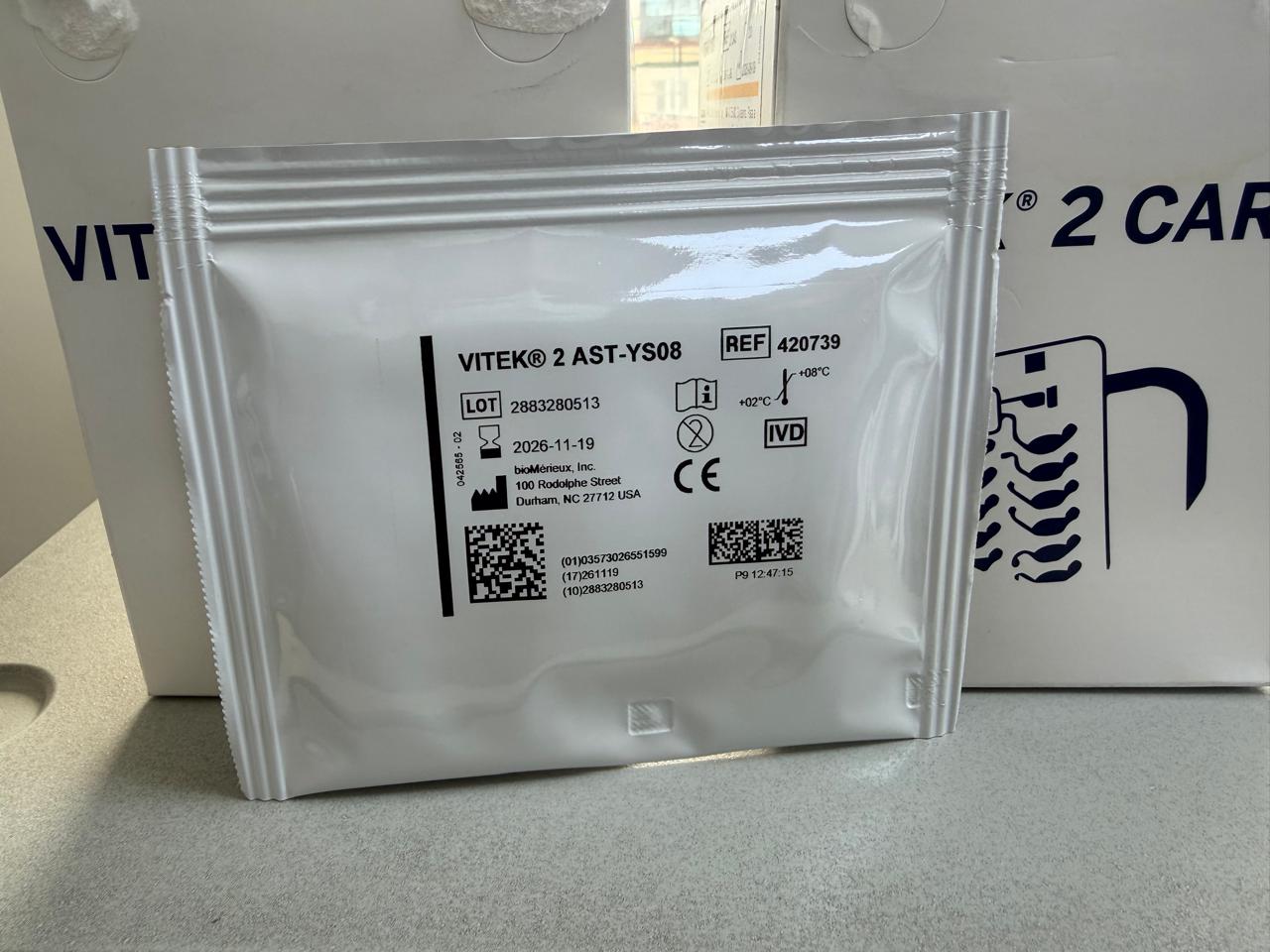
VITEK 2 AST-YS08-Yeast Indentification Card

Introducton The VITEK 2 Yeast AST system is a fully automated solution for the quantitative determination of antifungal susceptibility in clinically significant yeasts, such as Candida species. It provides rapid and accurate results, often in as little as 13 to 24 hours. Name of Card …

Read more

Nakaseomyces glabratus: Introduction, Morphology, Pathogenicity, Lab Diagnosis, Treatment, Prevention, and Keynotes

Nakaseomyces glabratus (formerly Candida glabrata) growth on HiCrome Candida Differential Agar

Introduction Nakaseomyces glabratus (formerly Candida glabrata) is a highly adaptable, haploid yeast that is a common commensal of the human gastrointestinal and genitourinary tracts. It is the second or third most common cause of candidiasis worldwide and is notable for its high level of intrinsic and acquired …

Read more

Yeasts (Disk Diffusion) Assay: Introduction, Test Requirements, Procedure, Result-Interpretation, and Keynotes

Yeasts (Disk Diffusion) Assay

Introduction Disk diffusion assay is a standardized method used for testing antifungal susceptibility of yeasts, especially Candida spp. It evaluates the inhibitory effect of antifungal agents on yeast growth by measuring the zone of inhibition around drug-impregnated disks placed on inoculated agar. This method is …

Read more

Fungemia-Introduction, Common Fungi, Clinical Feature, Lab Diagnosis, Treatment, and Prevention

Blood fungal culture bottles containing a biphasic medium used for detecting fungal growth in fungemic patients

Introduction Fungemia refers to the presence of fungi in the bloodstream, indicating systemic fungal infection. Candida species are most commonly responsible, but other yeasts and molds may also invade the bloodstream. Fungemia is a medical emergency, especially in ICU patients, immunocompromised hosts, post-surgical cases, and …

Read more

Funguria-Introduction, Common fungi, Clinical Feature, Lab Diagnosis, Treatment, and Prevention

Urine sample for fungal culture and KOH mount

Introduction Funguria refers to the presence of fungi in the urine, either due to colonization, contamination, or true urinary tract infection (UTI). It is increasingly reported in hospitalized or catheterized patients, particularly those with immunosuppression, antibiotic overuse, or diabetes. Most cases are asymptomatic, but it …

Read more

Fungal Pneumonia-Introduction, Common fungi, Clinical Feature, Lab Diagnosis, Treatment, and Prevention

Aspergillus fumigatus growth on Sabouraud dextrose agar (SDA) plate

Introduction Fungal pneumonia or invasive fungal pulmonary infection is often life-threatening, especially in immunocompromised patients, such as those with cancer, undergoing chemotherapy, or with HIV/AIDS. pulmonary inflammation caused by inhaled fungal spores or hematogenous fungal spread, leading to pneumonia-like illness. Common Fungi Causing Pulmonary Infections: …

Read more

Candida albicans MCQs Quiz-A Simple Set of Questionnaire for Examination

Candida albicans MCQs Quiz-A Simple Set of Questionnaire for Examination

Introduction Below is a simple set of 15 multiple‐choice questions (MCQs) on Candida albicans designed as a quiz or examination questionnaire. Each question is provided with four answer choices, and the correct answer is indicated after each question. Candida albicans MCQs Quiz 1. Which species …

Read more

Candidiasis-Introduction, Types, Signs and Symptoms, Causative Agent, Laboratory Diagnosis, Treatment, Prevention and Control, and Keynotes

Candida albicans growth on SDA after 2 days of incubation

Introduction Candidiasis is an infection caused by Candida fungi, commonly Candida albicans. These fungi naturally live on the skin and inside the body, like in the mouth, throat, gut, and vagina, without causing problems. However, if the environment inside the body changes or the immune …

Read more