First-Line Drug Susceptibility Testing (SL-DST) for Tuberculosis: Introduction, Principle, Procedure, Result-Interpretation, and Keynotes

 Introduction First-Line Drug Susceptibility Testing (FL-DST or sometimes referred to in context as SL-DST when covering all first-line agents: Rifampicin, Isoniazid, Ethambutol, Pyrazinamide) is a crucial laboratory procedure used to determine if a patient’s Mycobacterium tuberculosis (Mtb) strain is sensitive or resistant to primary anti-TB …

Read more

Second-Line Drug Susceptibility Testing (SL-DST) for Tuberculosis:Introduction, Principle, Procedure, Result-Interpretation, and Keynotes

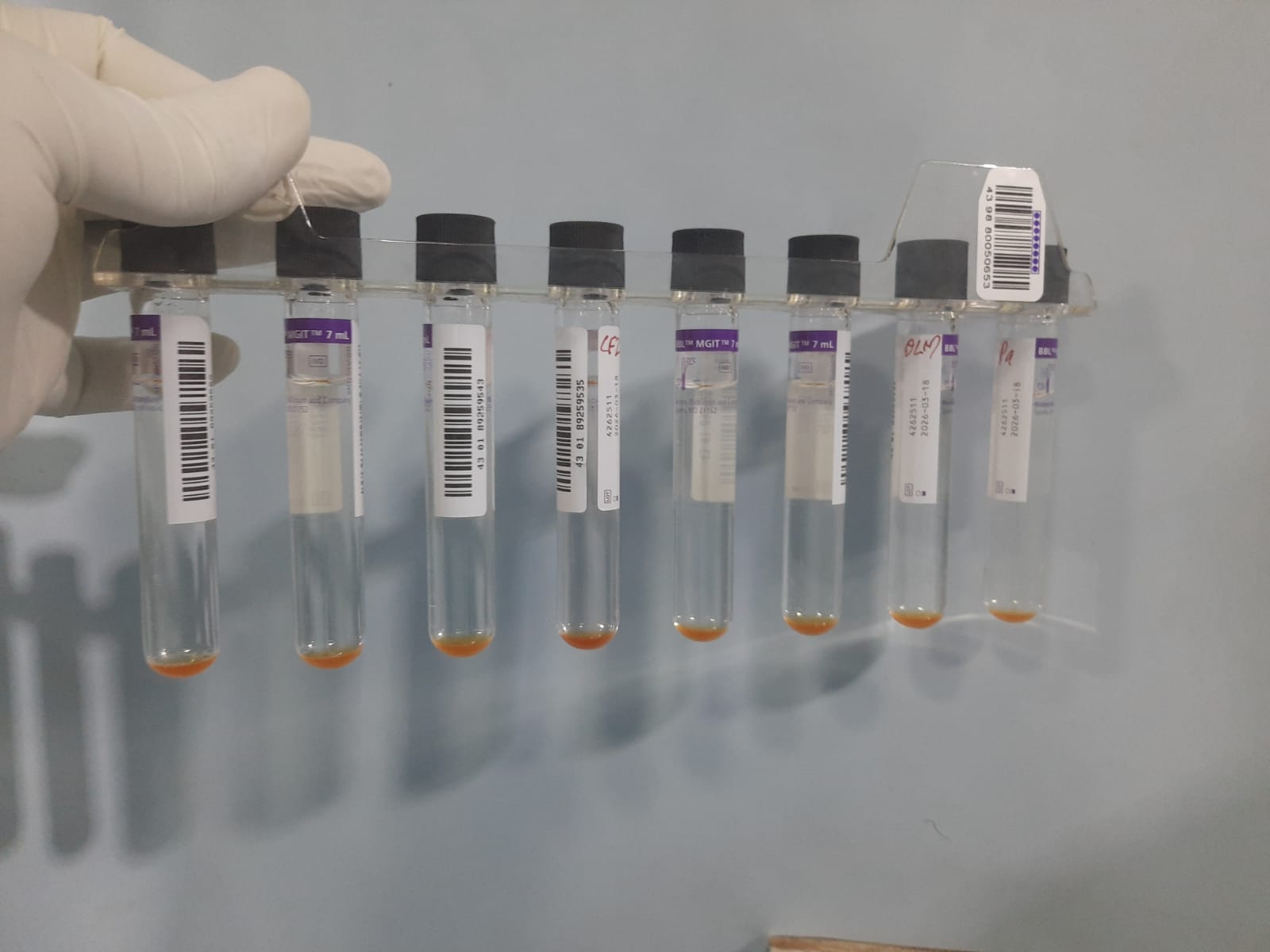
Phenotypic drug susceptibility testing (DST) of Mycobacterium tuberculosis using the BACTEC MGIT 960 system

Introduction Second-line drug susceptibility testing (SL-DST) for tuberculosis is a crucial laboratory procedure designed to detect resistance to anti-TB drugs used when first-line treatment fails (i.e., multidrug-resistant TB – MDR-TB).  Principle SL-DST measures the susceptibility of Mycobacterium tuberculosis to specific agents by determining the Critical …

Read more

Middlebrook 7H9 Broth: Introduction, Composition, Principle, Procedure, Result-Interpretation, Uses, and Keynotes

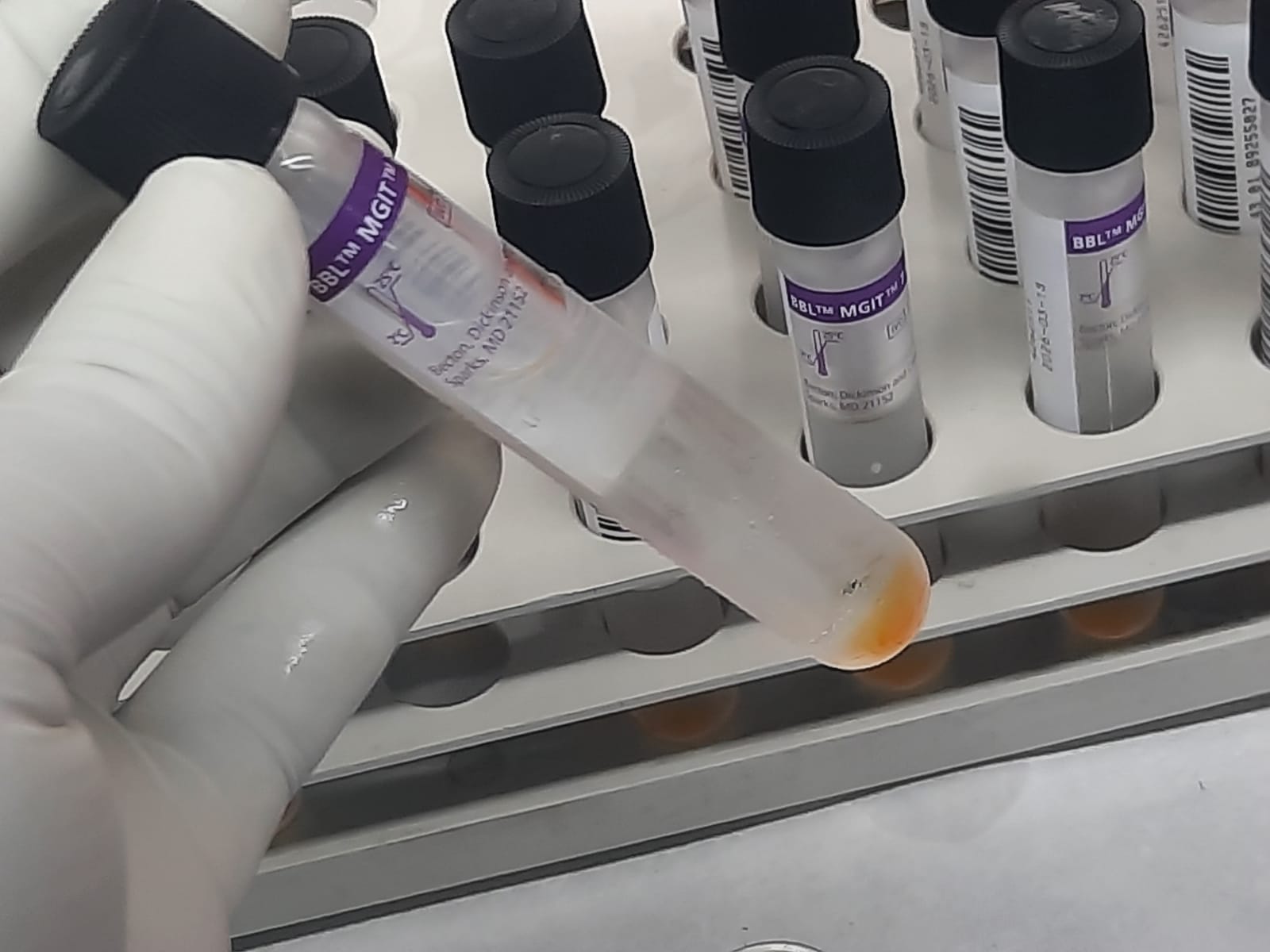
The BBL MGIT tube, showing Modified Middlebrook 7H9 Broth paired with an oxygen-sensitive fluorescent sensor for rapid diagnostic results

Introduction Middlebrook 7H9 broth is a liquid growth medium first described in 1958 by Middlebrook and Cohn for the specialized cultivation of Mycobacterium species. It is widely used in clinical and research settings for rapid growth, biochemical testing, and preparing inocula for drug susceptibility testing …

Read more

Candida albicans MCQs Quiz-A Simple Set of Questionnaire for Examination

Candida albicans MCQs Quiz-A Simple Set of Questionnaire for Examination

Introduction Below is a simple set of 15 multiple‐choice questions (MCQs) on Candida albicans designed as a quiz or examination questionnaire. Each question is provided with four answer choices, and the correct answer is indicated after each question. Candida albicans MCQs Quiz 1. Which species …

Read more

Rifampicin Resistant Indeterminate- Introduction, Result, Cause, Implication, and Summary

Rifampicin Resistant Indeterminate result of Mycobacterium tuberculosis

Introduction “Rifampicin resistant indeterminate” refers to an unclear or inconclusive result in testing for resistance to the antibiotic rifampicin, often used in the treatment of tuberculosis (TB). Here’s a breakdown of the term: Rifampicin Resistant Result and Cause Indeterminate Result: This means the test did …

Read more

Cedecea davisae- Introduction, Morphology, Pathogenicity, Lab Diagnosis, Treatment, Prevention, and Keynotes

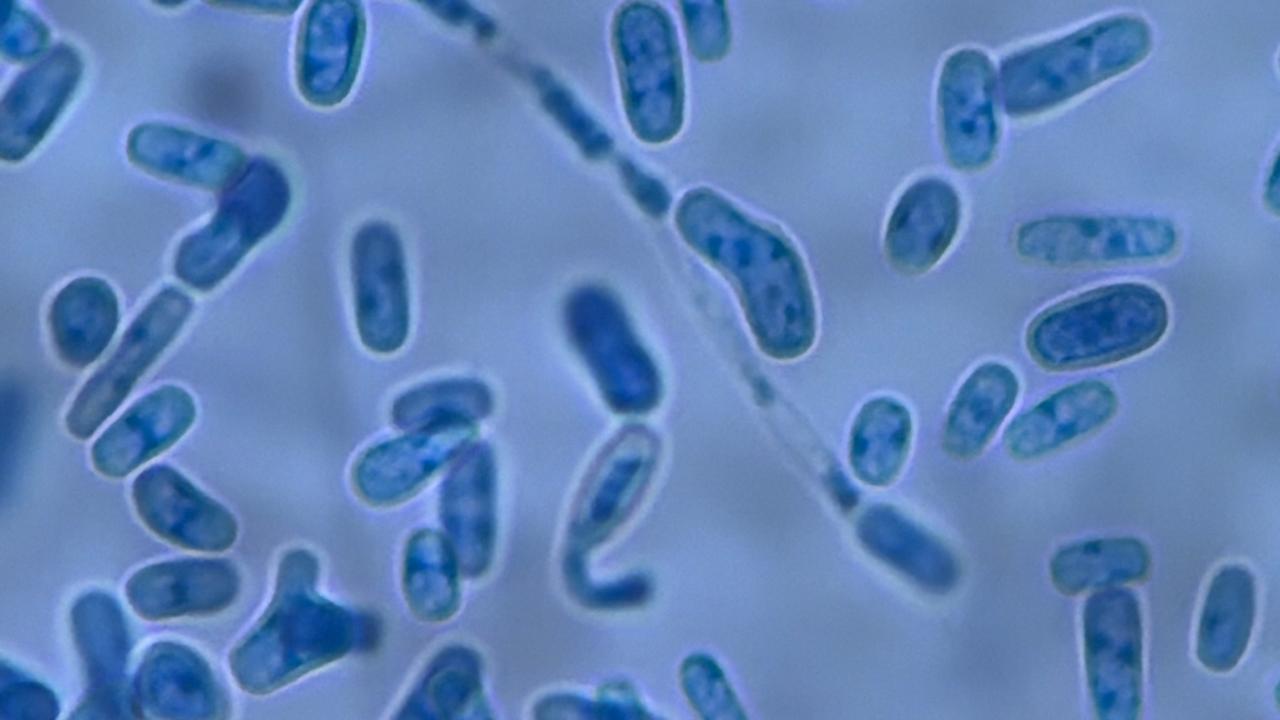
Cedecea in wet mount of culture microscopy

Introduction Cedecea davisae is a rare, opportunistic pathogen in the Enterobacteriaceae family. It was first isolated from a human wound. This bacterium can cause infections in immunocompromised individuals. It exhibits resistance to several antibiotics. It is often misidentified due to its rarity. However, proper laboratory …

Read more

Varicella-Zoster Antibody, IgG Assay:Introduction, Test Result, Unit, Normal Range, Test Method, Clinical Significance, and Keynotes

Varicella-Zoster Antibody, IgG Assay:Introduction, Test Result, Unit, Normal Range, Test Method, Clinical Significance, and Keynotes

Introduction Varicella-zoster antibody, IgG assay, is a medical test used to measure the levels of varicella-zoster virus (VZV) specific immunoglobulin G (IgG) antibodies in the blood. VZV is the virus responsible for causing chickenpox (varicella) and can also re-emerge later in life as shingles (herpes …

Read more