Rothia: Introduction, Pathogenicity, Lab Diagnosis, Treatment, Prevention, and Keynote
Introduction Pathogenicity Lab Diagnosis Treatment Prevention Keynote Further Readings

This site is fully related to medical laboratory information for public and health care professionals.
Introduction Pathogenicity Lab Diagnosis Treatment Prevention Keynote Further Readings
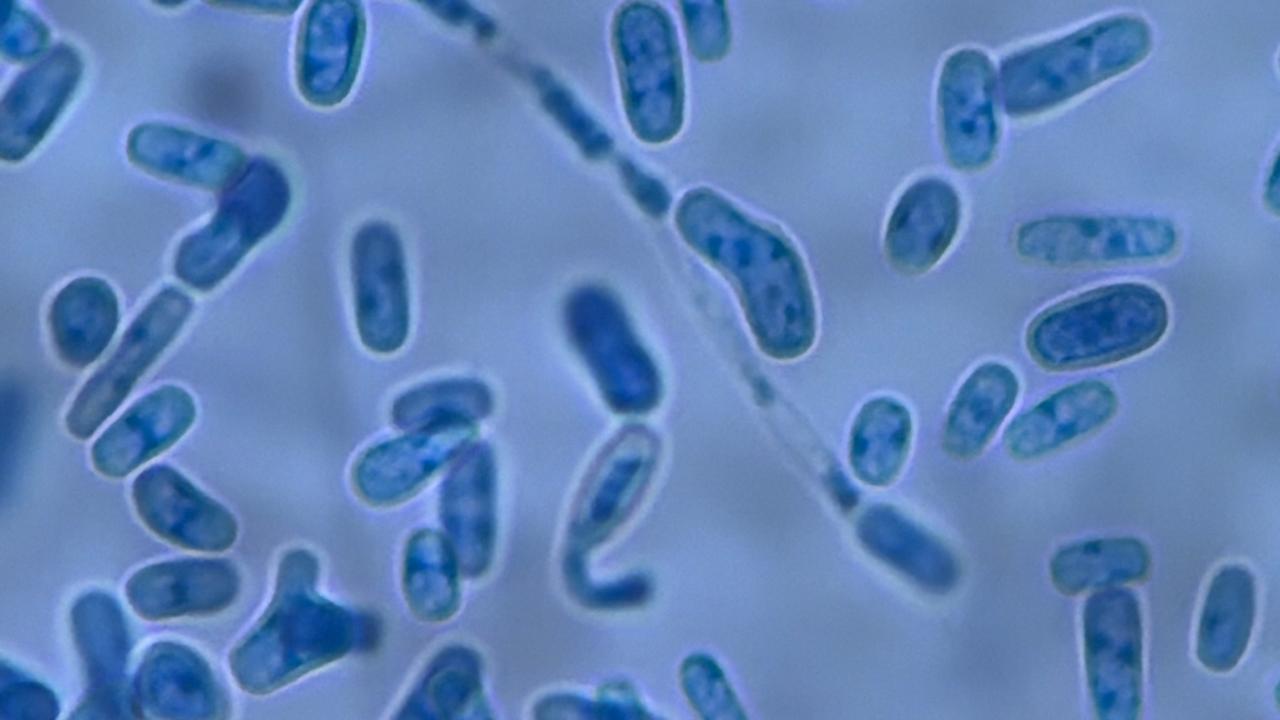
Introduction Geotrichum klebahnii is a rare, opportunistic, yeast-like fungus that is found globally in environments like soil, dairy products, and organic waste, but can act as an emerging pathogen in humans. Along with Geotrichum candidum, it is one of the only species within its genus …
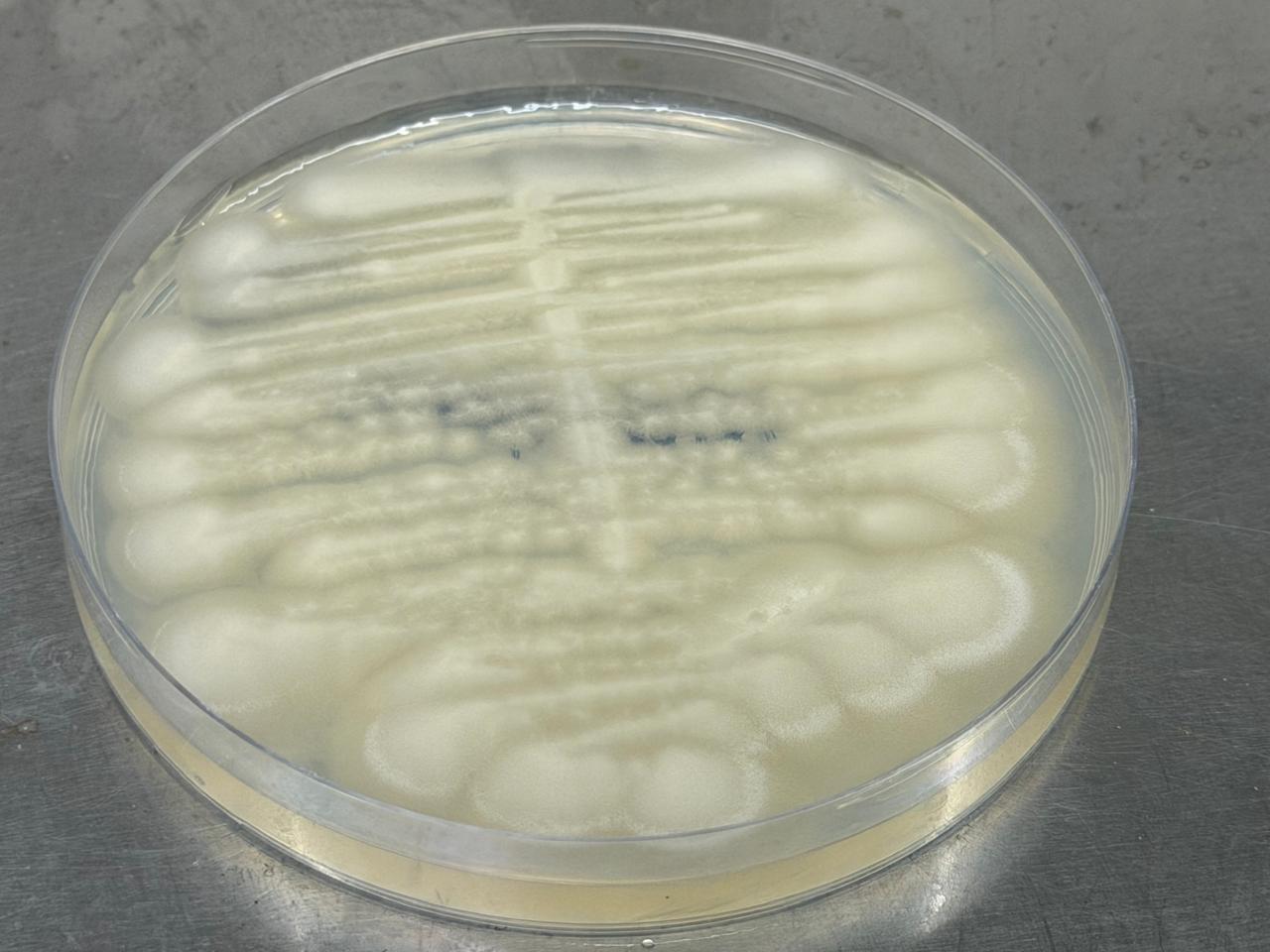
Introduction Trichosporon is a genus of anamorphic, yeast-like basidiomycetous fungi widely distributed in nature, particularly in tropical and temperate regions. First identified by Beigel in 1865, it commonly exists as a saprophytic organism in soil, water, plants, and animal droppings. In humans, it is a …
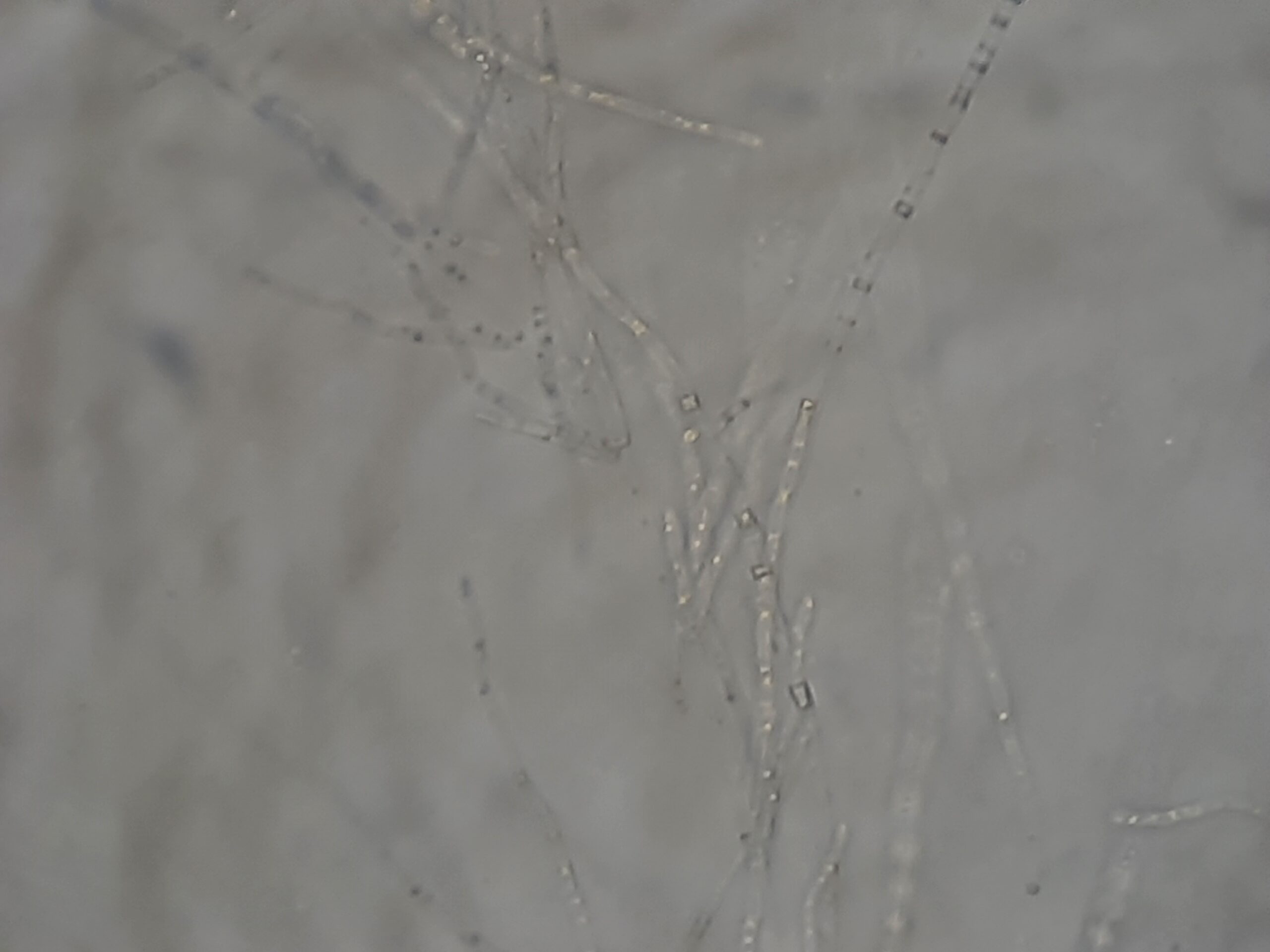
Introduction Saprochaete capitata is an emerging opportunistic fungal pathogen that causes severe, frequently fatal systemic infections in profoundly immunocompromised individuals. It is notorious for its intrinsic resistance to echinocandins and high resistance to fluconazole, which often results in breakthrough fungemia during standard empirical antifungal therapy. …
Introduction Leukemia (also spelled leukaemia) is a group of malignant hematological cancers originating in the bone marrow, characterized by the rapid, uncontrolled proliferation of abnormal, non-functional white blood cells (leukocytes). As these malignant cells accumulate, they crowd out healthy red blood cells, functional white blood …
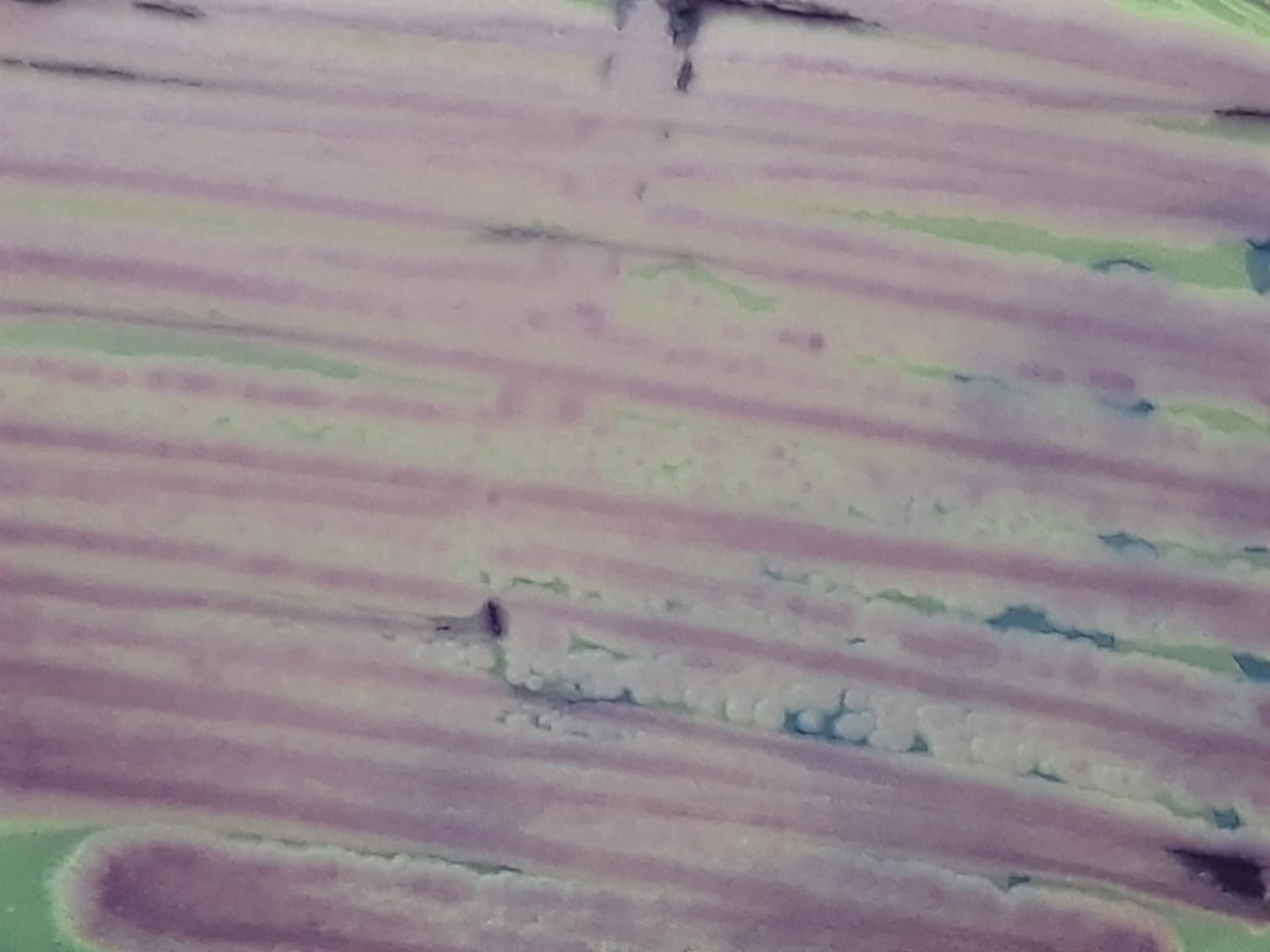
Introduction Pichia kudriavzevii, formerly known as Candida krusei, is a unique budding yeast that holds a dual status as both a critical industrial organism and an emerging opportunistic pathogen. Taxonomy: It is the teleomorph (sexual state) of Candida krusei. It has also been historically known as Issatchenkia orientalis. …

Evaluate the Clinical Context Sample Collection & Repeatability Microscopy & Direct Detection Quantitative Culture & Sterility of Site Serological & Molecular Evidence Radiological Correlation Practical Interpretation Framework Finding Likely Contaminant Possible Colonizer Likely Pathogen Single isolate from 1 sample ✅ ✅ ❌ Repeated isolation from …

Introduction Fungemia refers to the presence of fungi in the bloodstream, indicating systemic fungal infection. Candida species are most commonly responsible, but other yeasts and molds may also invade the bloodstream. Fungemia is a medical emergency, especially in ICU patients, immunocompromised hosts, post-surgical cases, and …