Myroides species: Introduction, Pathogenicity, Lab Diagnosis, Treatment, Prevention, and Keynotes

Myroides species in Gram staining of culture at a magnification of 1000X with an additional 4X camera optical zoom

 Introduction         Myroides species are emerging, opportunistic, extensively drug-resistant Gram-negative bacteria that are gaining increasing clinical attention. Formerly classified under the genus Flavobacterium, they are notorious for causing hard-to-treat nosocomial infections. Pathogenicity & Clinical Spectrum Laboratory Diagnosis Treatment & Antimicrobial Resistance Prevention & Control Keynotes Further …

Read more

Klebsiella aerogenes: Introduction, Pathogenicity, Lab Diagnosis, Treatment, Prevention, and Keynotes

Klebsiella aerogenes growth on CLED medium after 48 hours of incubation

Introduction Klebsiella aerogenes (formerly known as Enterobacter aerogenes) is a Gram-negative, rod-shaped, motile bacterium belonging to the Enterobacteriaceae family. Whole-genome sequencing and comparative phylogenetics recently reclassified it into the genus Klebsiella because it is genetically closer to Klebsiella pneumoniae than to other Enterobacter species. It …

Read more

Trichosporon species: Introduction, Morphology, Medically Important Species, Pathogenicity, Lab Diagnosis, Treatment, Prevention, and Keynotes

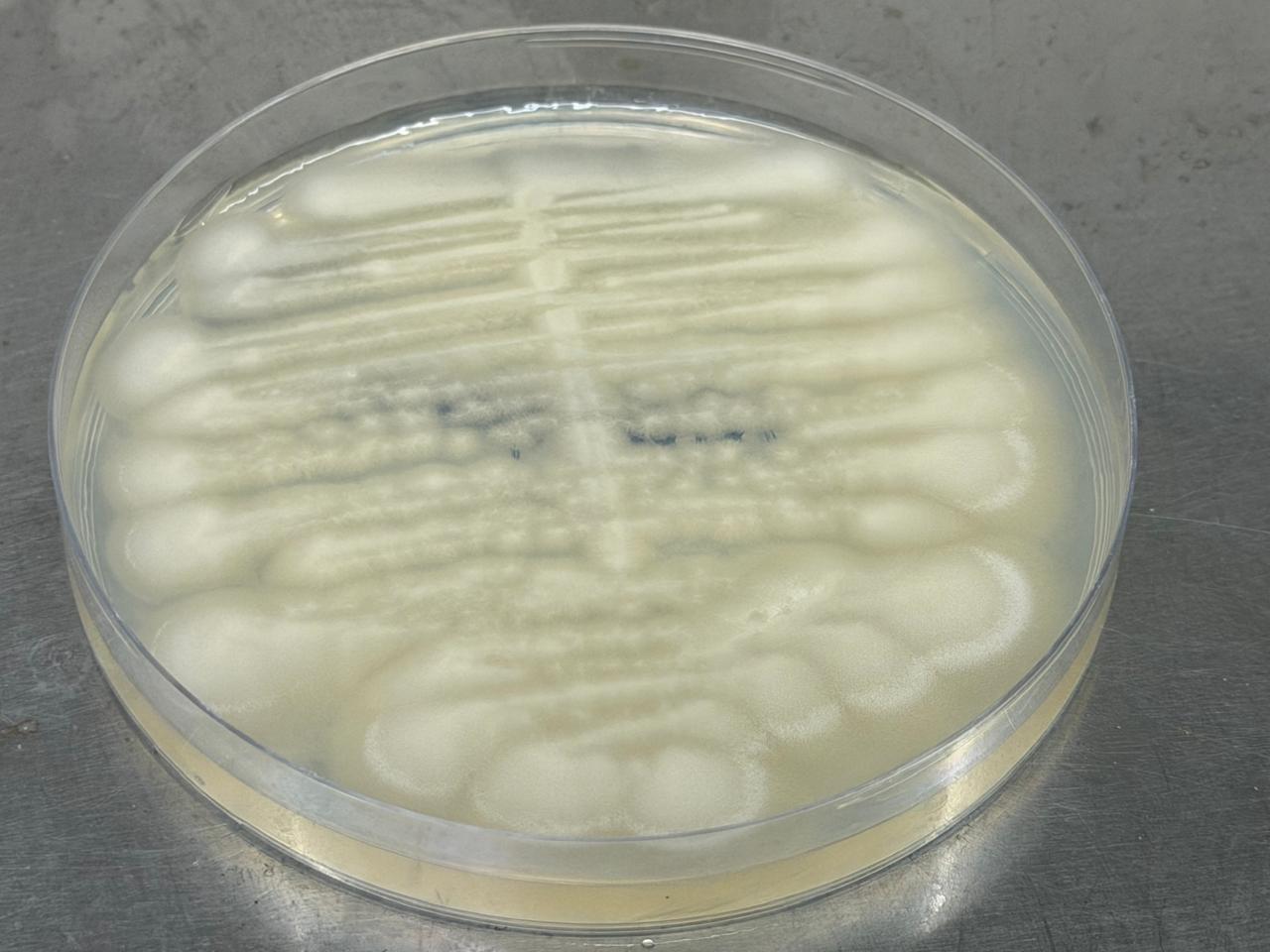
A plastic petri dish containing a light-yellowish, finely wrinkled (cerebriform) and dry Trichosporon microbial culture with a flat, mealy (farinose) covering on PDA agar

Introduction Trichosporon is a genus of anamorphic, yeast-like basidiomycetous fungi widely distributed in nature, particularly in tropical and temperate regions. First identified by Beigel in 1865, it commonly exists as a saprophytic organism in soil, water, plants, and animal droppings. In humans, it is a …

Read more