
Introduction
Table of Contents
Klebsiella aerogenes (formerly known as Enterobacter aerogenes) is a Gram-negative, rod-shaped, motile bacterium belonging to the Enterobacteriaceae family. Whole-genome sequencing and comparative phylogenetics recently reclassified it into the genus Klebsiella because it is genetically closer to Klebsiella pneumoniae than to other Enterobacter species.
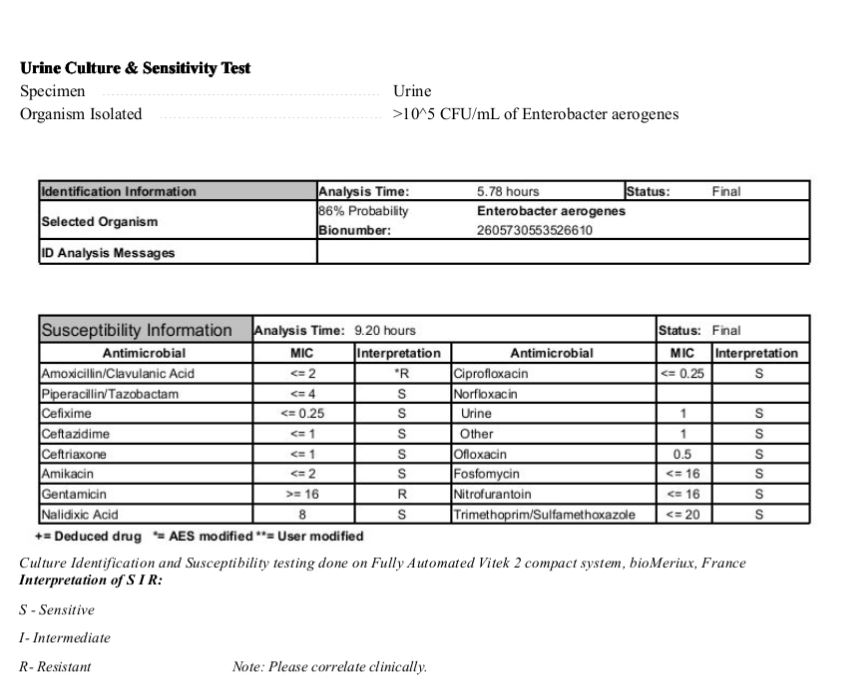
It is a ubiquitous microbe commonly found in soil, water, and the human gastrointestinal tract as normal flora. While harmless to healthy individuals, it acts as an opportunistic nosocomial pathogen, causing severe healthcare-associated infections in hospitalized or immunocompromised patients.
Pathogenicity
Klebsiella aerogenes primarily targets patients with compromised immune defenses or those undergoing invasive medical interventions.
- Clinical Manifestations: It is responsible for a variety of opportunistic infections, including:
- Urinary Tract Infections (UTIs)
- Pneumonia and lower respiratory tract infections
- Bloodstream infections (Sepsis/Bacteremia)
- Surgical site and wound infections
- Risk Factors: Prolonged hospitalization, stays in intensive care units, long courses of broad-spectrum antibiotics, and the use of invasive medical devices like intravenous catheters, urinary catheters, and mechanical ventilators.
- Transmission: It spreads predominantly through person-to-person contact (via the contaminated hands of healthcare workers) or contact with contaminated environmental surfaces and unsterilized medical devices. It does not spread through the air.
Lab Diagnosis
Definitive identification relies on standard microbiological cultures and biochemical profiling.
- Morphology: Appears as Gram-negative bacilli. Unlike most other Klebsiella species, K. aerogenes is motile.
- Culture Characteristics: Grows well on standard media (like MacConkey agar), forming lactose-fermenting colonies (acid and gas production).

- Biochemical Profile (IMViC): Typically reacts as:
- Indole: Negative (-)
- Methyl Red (MR): Negative (-)
- Voges-Proskauer (VP): Positive (+)
- Citrate Utilization: Positive (+)
- Molecular Detection: Real-time PCR (qPCR) and next-generation sequencing are increasingly utilized in modern laboratories for rapid identification and the detection of specific antibiotic resistance genes.
Treatment
Managing K. aerogenes is highly complex due to its propensity for multidrug resistance.
- Susceptibility Testing: Treatment decisions must be guided by antimicrobial susceptibility testing.
- Antibiotic Challenges: K. aerogenes carries inducible chromosomal β-lactamase enzymes (such as AmpC). Standard treatment with typical β-lactam antibiotics can trigger resistance mid-therapy, rendering first-line drugs ineffective and rapidly worsening sepsis.
- Therapeutic Options:
- Carbapenems have traditionally been highly effective, though carbapenem-resistant strains (producing carbapenemases) are steadily rising.
- Fluoroquinolones or aminoglycosides may be used if testing demonstrates susceptibility.
- Device Management: Prompt removal or replacement of infected foreign devices (e.g., central lines, venous or urinary catheters) is mandatory to eliminate the bacterial bioburden.
Prevention
Controlling the spread of K. aerogenes requires aggressive infection control within healthcare facilities.
- Hand Hygiene: Strict adherence to handwashing protocols by healthcare personnel before and after patient contact.
- Rigorous Surface Disinfection: Frequent cleaning of high-touch surfaces (bed rails, IV pumps, doorknobs) using strong hospital-grade disinfectants like diluted bleach solutions, hydrogen peroxide, or chlorine dioxide.
- Sterilization of Equipment: Meticulous maintenance, cleaning, and sterilization of respiratory and urinary devices.
- Environmental Monitoring: Routine surveillance to catch potential outbreak clusters early.
Keynotes
- The Name Change: Formerly known as Enterobacter aerogenes, it was moved to the Klebsiella genus based on advanced phylogenetic mapping.
- Extensively Drug-Resistant (XDR): It is recognized as a problematic global pathogen due to its rapid ability to develop resistance to standard treatments via inducible β-lactamases.
- High Mortality: It is linked to higher mortality rates in hospital-acquired bloodstream infections compared to other historical Enterobacter counterparts.
- Industrial Utility: Outside of clinical medicine, K. aerogenes has commercial significance; it is an outstanding producer of hydrogen gas when fermenting substrates like molasses, making it a focus of biofuel research.
Further Readings
- https://universe84a.com/klebsiella-aerogenes-introduction/
- https://pmc.ncbi.nlm.nih.gov/articles/PMC6535514/
- https://en.wikipedia.org/wiki/Klebsiella_aerogenes
- https://microchemlab.com/microorganisms/klebsiella-aerogenes/
- https://pmc.ncbi.nlm.nih.gov/articles/PMC7448666/
- https://www.cdc.gov/klebsiella/about/index.html
- https://emedicine.medscape.com/article/219907-overview