Pneumocystis: Introduction, Classification, Morphology, Pathogenicity Lab Diagnosis, Treatment, Prevention, and Keynotes

Introduction of Pneumocystis It is thought to be a protozoan, usually found in animals and occasionally in men, especially in newborns and young children. It causes typical pneumonia ( interstitial plasma cellular pneumonia) which is often fatal. The parasites appear as small round ‘ cysts’ …

Read more

Escherichia hermanii: Introduction, Classification, Pathogenecity, Lab Diagnosis, Treatment, and Keynotes

Escherichia hermanii colony morphology on MacConkey agar

Introduction of Escherichia hermanii Escherichia hermannii is a gram-negative rod. This bacterium belongs to the family of Enterobacteriaceae. It was first described in 1982. It had been previously known as enteric group 11 of Escherichia coli but was later reclassified as a distinct species in …

Read more

Cryptosporidium: Introduction, Classification, Morphology, Pathogenicity Lab Diagnosis, Treatment, Prevention, and Keynotes

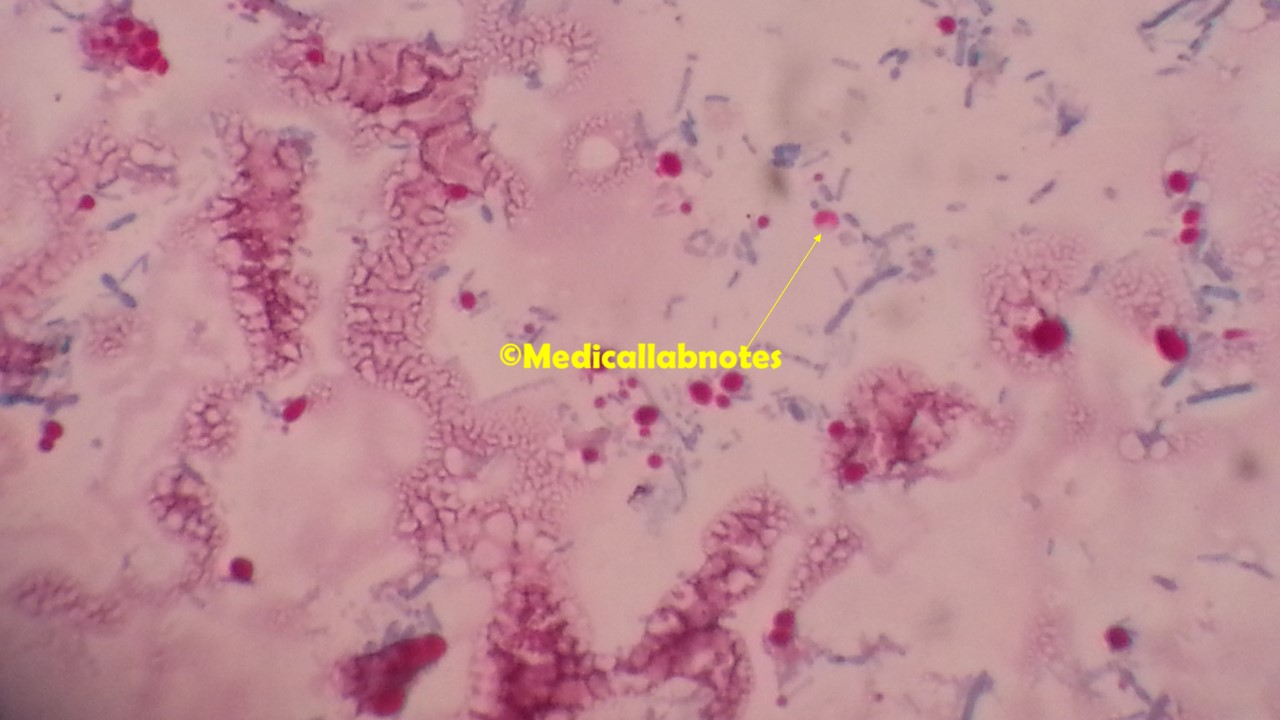
Oocyst of cryptosporidium parvum in Modified Kinyoun's acid-fast stain of stool microscopy

Introduction of Cryptosporidium Cryptosporidium is a coccidian parasite that causes diarrhea called Cryptosporidiosis. It was discovered by medical parasitologist, Ernest Edward in 1907. Human infection caused by Cryptosporidium parvum was seen in 1976. The clinically important species of this genus are C. parvum, C. mammals, …

Read more

SARS-CoV-2: Introduction, Classification, Variant, Pathogenicity, Lab Diagnosis, Treatment, and Prevention

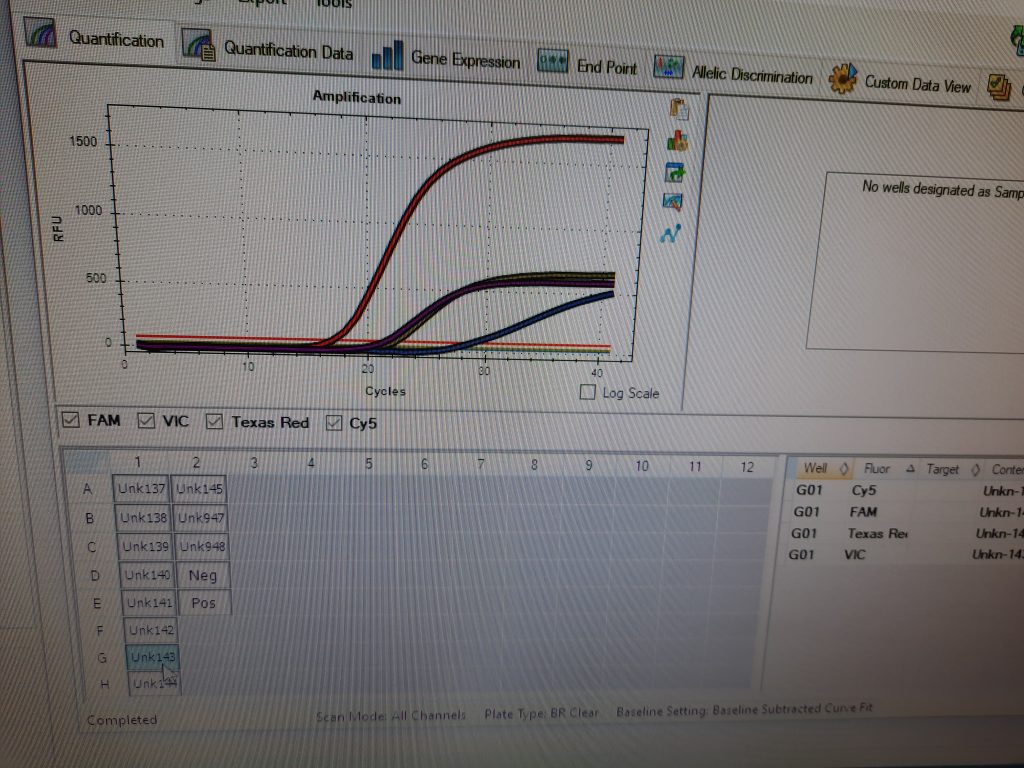
True curves of SARS CoV-2 genes in RT-PCR assay for confirmation of COVID-19

Introduction of SARS-CoV-2 SARS-CoV-2 is a positive-sense single-stranded RNA virus that causes coronavirus disease 2019 ( COVID -19). SARS-CoV-2 stands for severe acute respiratory syndrome coronavirus 2. On March 11, 2020, the World Health Organization (WHO) characterized COVID-19 as a pandemic. On March 11, 2020, …

Read more