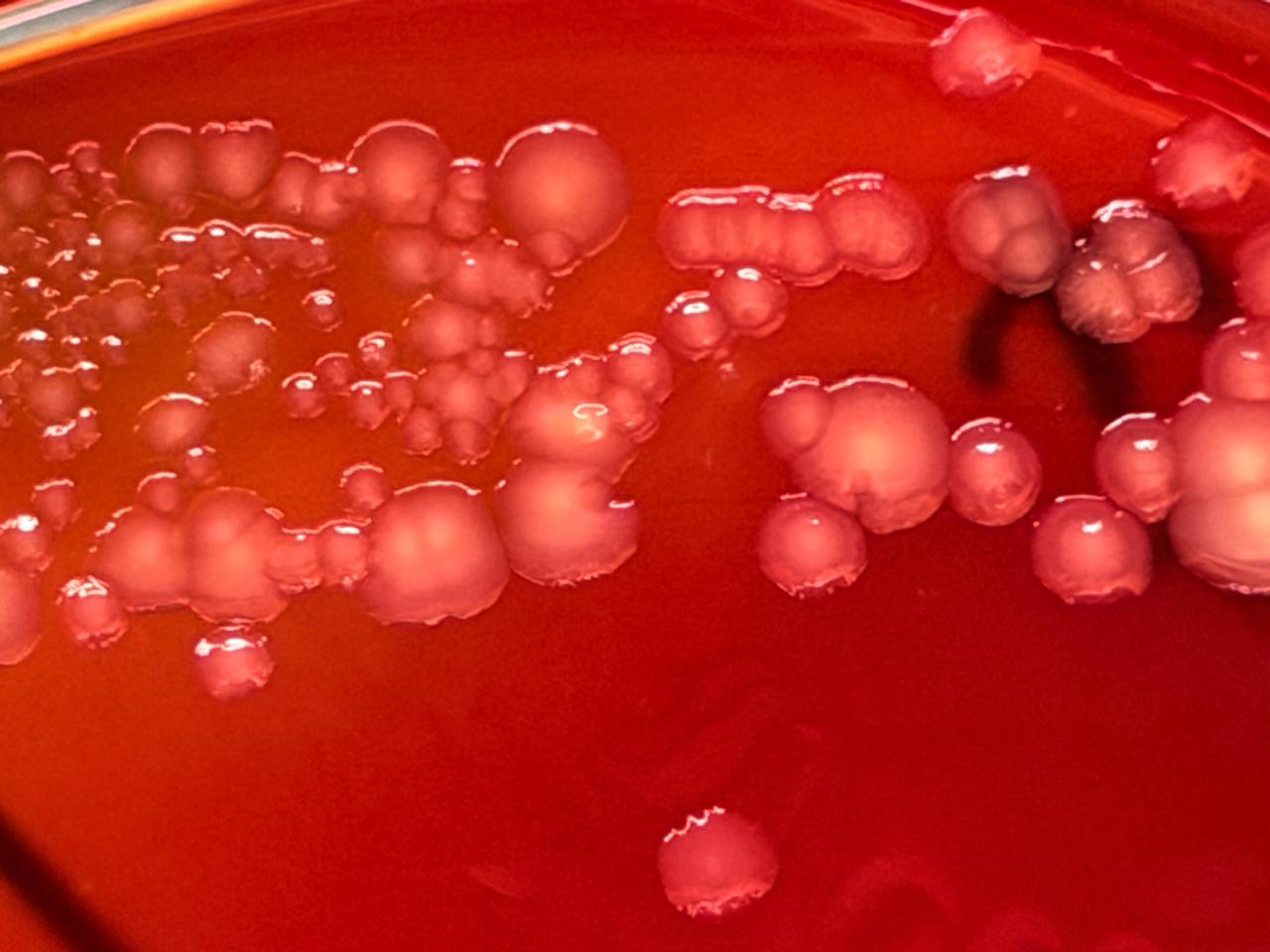
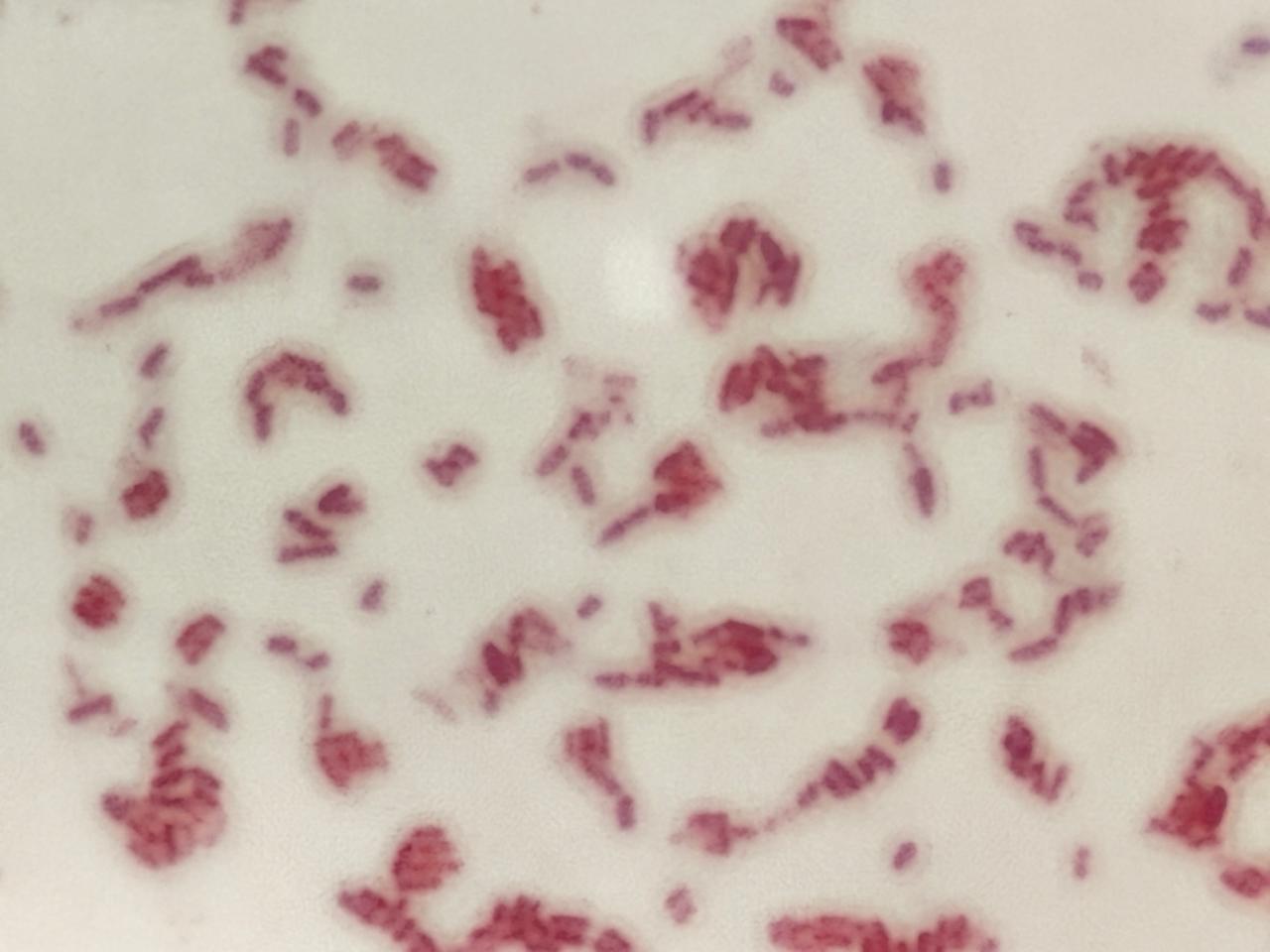
Acinetobacter ursingii: Introduction, Morphology, Pathogenicity, Lab Diagnosis, Treatment, Prevention, and Keynote

Introduction Acinetobacter ursingii is a Gram-negative, non-fermentative, opportunistic bacterium belonging to the genus Acinetobacter. It is an uncommon species compared to Acinetobacter baumannii, but it has been increasingly recognized in healthcare-associated infections (HAIs). Reported cases include bacteremia, septicemia, pneumonia, urinary tract infections, and bloodstream infections, …

Read more

Proteus hauseri-Introduction, Morphology, Pathogenicity, Lab Diagnosis, Treatment, Prevention, and Keynotes

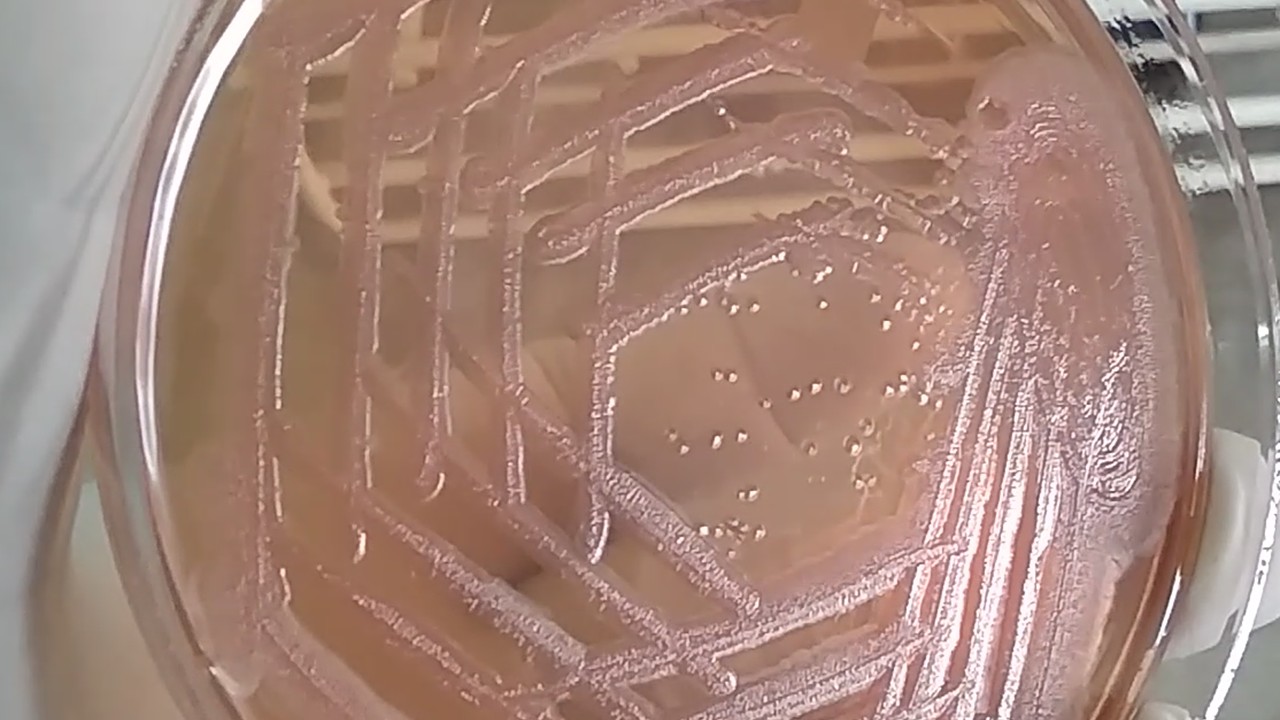
Proteus hauseri colony morphology on MacConkey agar of urine culture

Introduction Proteus hauseri is a Gram-negative, facultatively anaerobic bacillus in the Enterobacteriaceae family. It is closely related to other Proteus species and commonly found in soil, water, and the human gastrointestinal tract. Though less prevalent than P. mirabilis, P. hauseri can cause opportunistic infections—especially in …

Read more

Klebsiella pneumoniae MCQs Quiz: A Set of Questions, Options, and Answers

Introduction Here is a Klebsiella pneumoniae MCQs Quiz Set with questions, options, and answers. Klebsiella pneumoniae MCQs Quiz 1. What type of organism is Klebsiella pneumoniae? A) VirusB) Gram-positive bacteriumC) Gram-negative bacteriumD) Fungus 2. What is the typical shape of Klebsiella pneumoniae? A) CocciB) BacilliC) …

Read more

E. coli MCQs Quiz: A Set of Questions, Options, and Answers

Introduction Here is a set of Multiple Choice Questions (MCQs) on E. coli (Escherichia coli) as a quiz. E. coli MCQ Quiz 1. What is Escherichia coli (E. coli)? A) VirusB) BacteriumC) FungusD) Parasite 2. E. coli is classified under which bacterial group? A) Gram-positive …

Read more

Citrobacter werkmanii-Introduction, Morphology, Pathogenicity, Lab Diagnosis, Treatment, Prevention, and Keynote

Lactose fermenting colony of Citrobacter werkmanii

Introduction Citrobacter werkmanii is a gram-negative bacterium belonging to the genus Citrobacter. It is commonly found in the environment, including soil, water, and sewage. This bacterium is part of the normal flora of the human intestinal tract but can act as an opportunistic pathogen. C. …

Read more

Proteus penneri– Introduction, Morphology, Pathogenicity, Lab Diagnosis, Treatment, Prevention, and Keynote

Proteus penneri growth on CLED agar

Introduction Proteus penneri is a Gram-negative bacterium found in various environments, including water and soil. It belongs to the family Enterobacteriaceae, sharing characteristics with other Proteus species. However, it differs from its relatives, like Proteus mirabilis, in its biochemical properties. This species can cause infections …

Read more

Clinical Laboratory Gallery: Introduction, Contents, and Brief Description of Photos

Wet Mount Microscopy-Ready slide for observation

Introduction ‘Clinical Laboratory Gallery’ is a collection of genuine photos regarding stream of Clinical Laboratory like Stool and Urine Section (SUS), Phlebotomy, Clinical Haematology, Clinical Biochemistry, Blood Banking and Transfusion medicine, Microbiology and Immunology, Cytology and Histopathology, and Molecular Biology. Contents Collection of images are …

Read more

MacConkey Agar: Introduction, Principle, Composition, Preparation, Procedure, Colony Morphology, Uses, and Keynotes

MacConkey Agar: Introduction, Principle, Composition, Preparation, Procedure, Colony Morphology, Uses, and Keynotes

Introduction of MacConkey Agar MacConkey agar (MAC) uses for the culture of gram-negative bacteria and therefore Enterobacteriaceae belonging bacteria grow well on this medium and coliforms also enjoy this medium. MAC is a modification of Neutral Red Bile Salt Agar developed by MacConkey. It was one of the …

Read more