Rothia: Introduction, Pathogenicity, Lab Diagnosis, Treatment, Prevention, and Keynote
Introduction Pathogenicity Lab Diagnosis Treatment Prevention Keynote Further Readings

This site is fully related to medical laboratory information for public and health care professionals.
Introduction Pathogenicity Lab Diagnosis Treatment Prevention Keynote Further Readings

Introduction Acinetobacter lwoffii is a Gram-negative, strictly aerobic, non-motile, non-fermenting, and oxidase-negative bacterium. It belongs to the genus Acinetobacter within the family Moraxellaceae. Unlike its highly aggressive relative Acinetobacter baumannii, A. lwoffii is generally considered a commensal organism. It regularly lives as normal flora on …
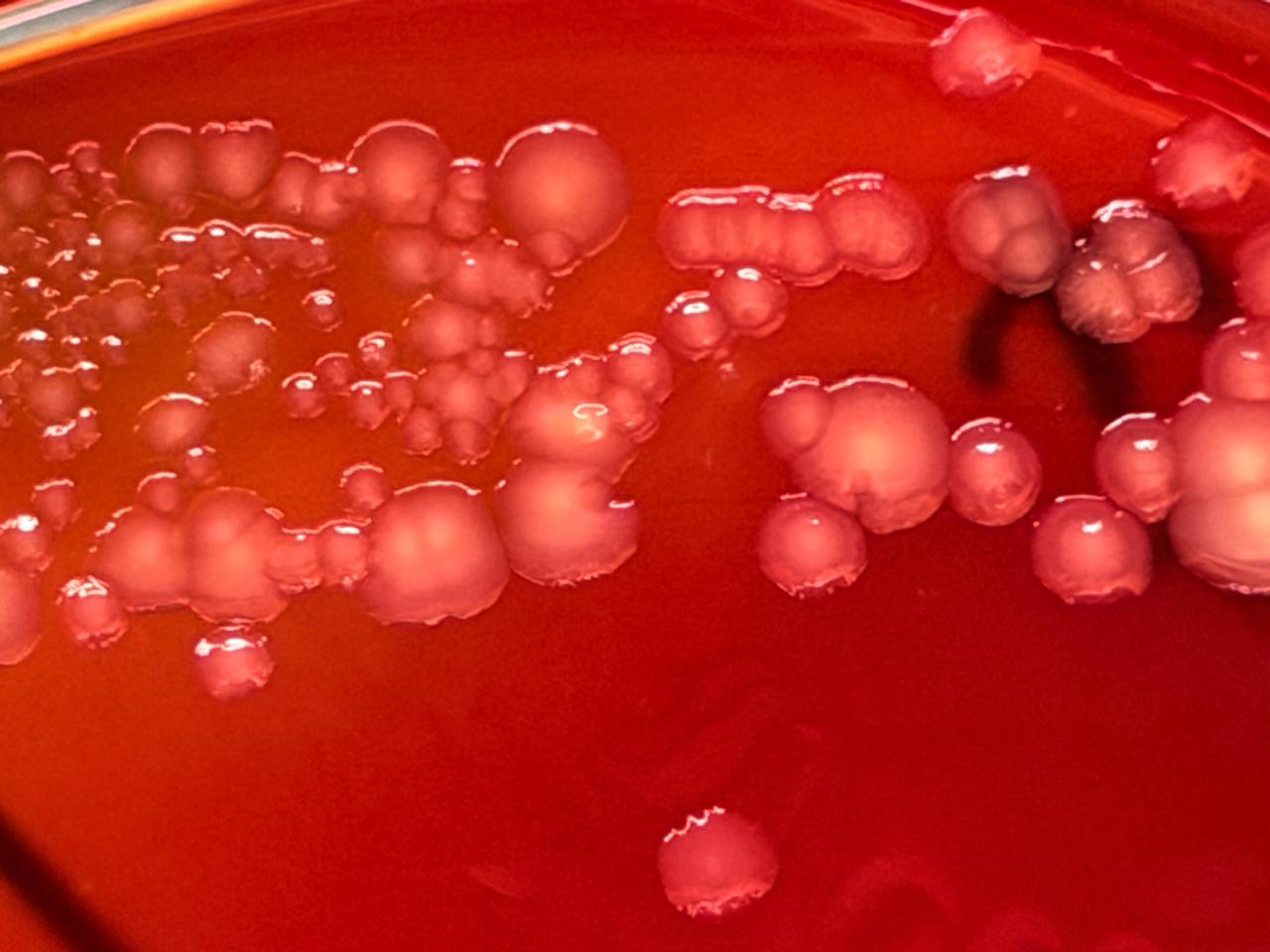
Introduction Pseudomonas putida is a versatile, Gram-negative, rod-shaped bacterium primarily known for its bioremediation capabilities but recognized as a rare opportunistic human pathogen. Found globally in soil, water, and plant roots, it thrives in diverse environments due to its unique metabolic endurance. Morphology and Characteristics …

Introduction Nakaseomyces glabratus (formerly Candida glabrata) is a highly adaptable, haploid yeast that is a common commensal of the human gastrointestinal and genitourinary tracts. It is the second or third most common cause of candidiasis worldwide and is notable for its high level of intrinsic and acquired …