Nakaseomyces glabratus: Introduction, Morphology, Pathogenicity, Lab Diagnosis, Treatment, Prevention, and Keynotes

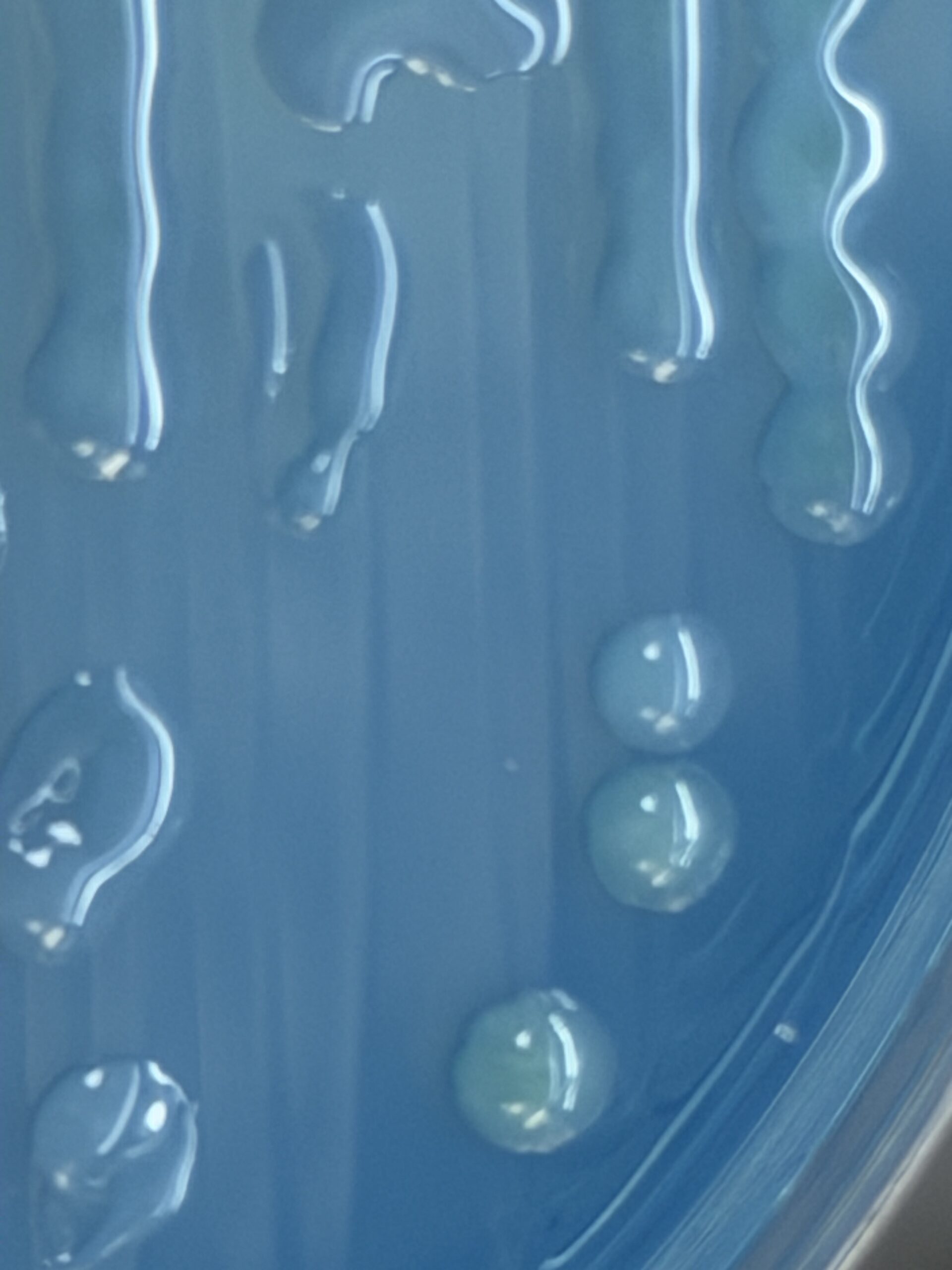
Nakaseomyces glabratus (formerly Candida glabrata) growth on HiCrome Candida Differential Agar

Introduction Nakaseomyces glabratus (formerly Candida glabrata) is a highly adaptable, haploid yeast that is a common commensal of the human gastrointestinal and genitourinary tracts. It is the second or third most common cause of candidiasis worldwide and is notable for its high level of intrinsic and acquired …

Read more

Gemella morbillorum-Introduction, Morphology, Pathogenicity, Lab Diagnosis, Treatment, Prevention, and Keynotes

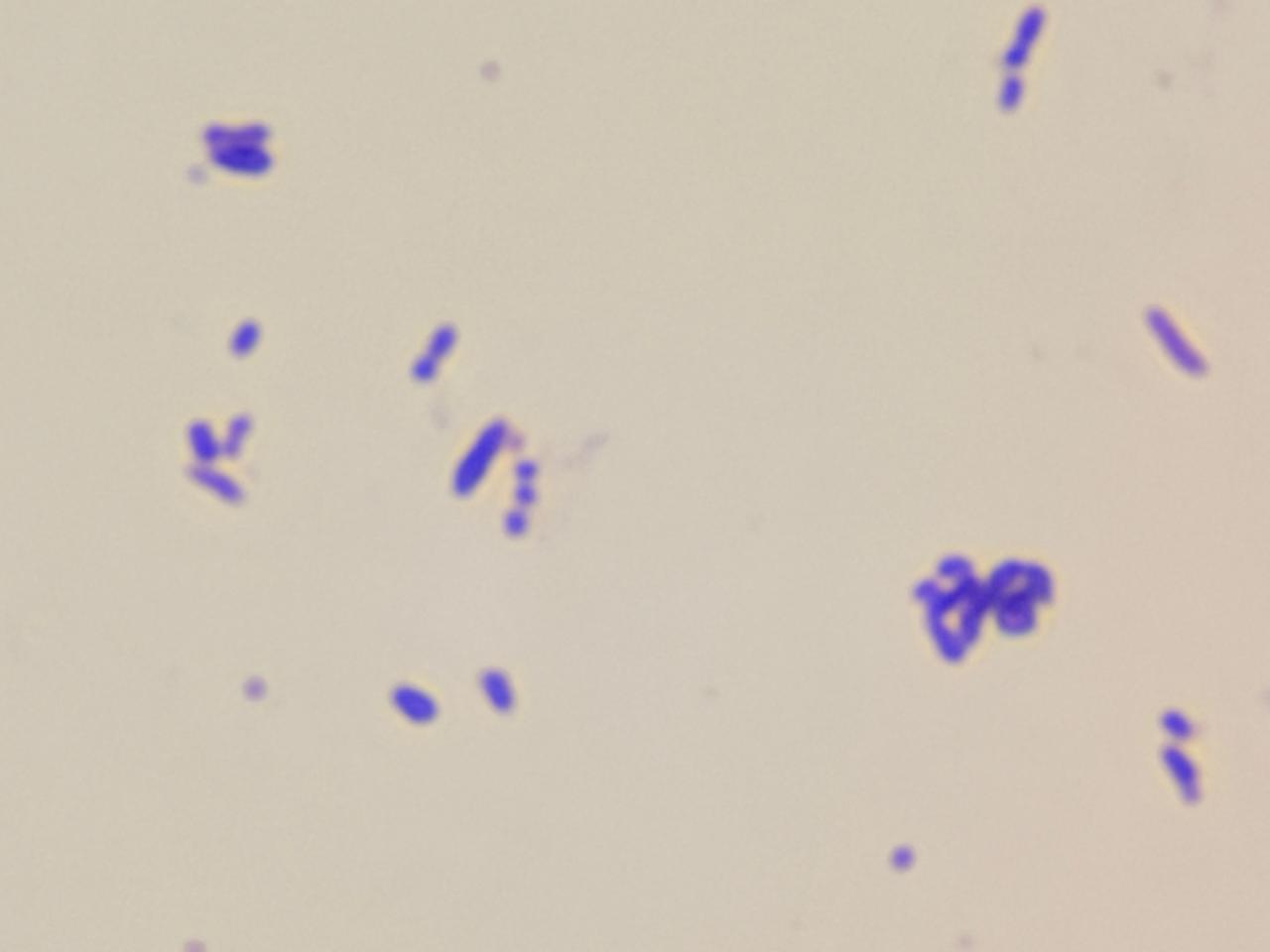
Gemella morbillorum in Gram staining of culture microscopy

Introduction Gemella morbillorum is a gram-positive bacterium, typically found in the human mouth, throat, and respiratory tract. It occasionally causes infections, particularly in immunocompromised individuals or those with underlying health conditions. Common infections include endocarditis, bacteremia, and abscesses. Notably, it can lead to serious complications …

Read more

Prevotella-Introduction, Morphology, Pathogenicity, Lab Diagnosis, Treatment, Prevention, and Keynotes

Introduction Prevotella is a genus of Gram-negative, anaerobic bacteria commonly found in the human oral and gut microbiota. These bacteria have been the focus of numerous studies due to their association with both health and disease in humans. Here’s a brief introduction: Morphology The morphology …

Read more

Moraxella catarrhalis: Introduction, Morphology, Pathogenicity, Lab Diagnosis, Treatment, Prevention, and Keynotes

Gram negative cocci in pairs (diplococci) of Moraxella catarrhalis in Gram staining of culture microscopy at a magnification

Introduction Moraxella catarrhalis is a Gram-negative, aerobic bacterium that belongs to the Moraxellaceae family. It is a non-motile, non-spore-forming bacterium, and it is typically found in the upper respiratory tract of humans as a commensal organism. Though generally considered a commensal, M. catarrhalis can also …

Read more