Nakaseomyces glabratus: Introduction, Morphology, Pathogenicity, Lab Diagnosis, Treatment, Prevention, and Keynotes
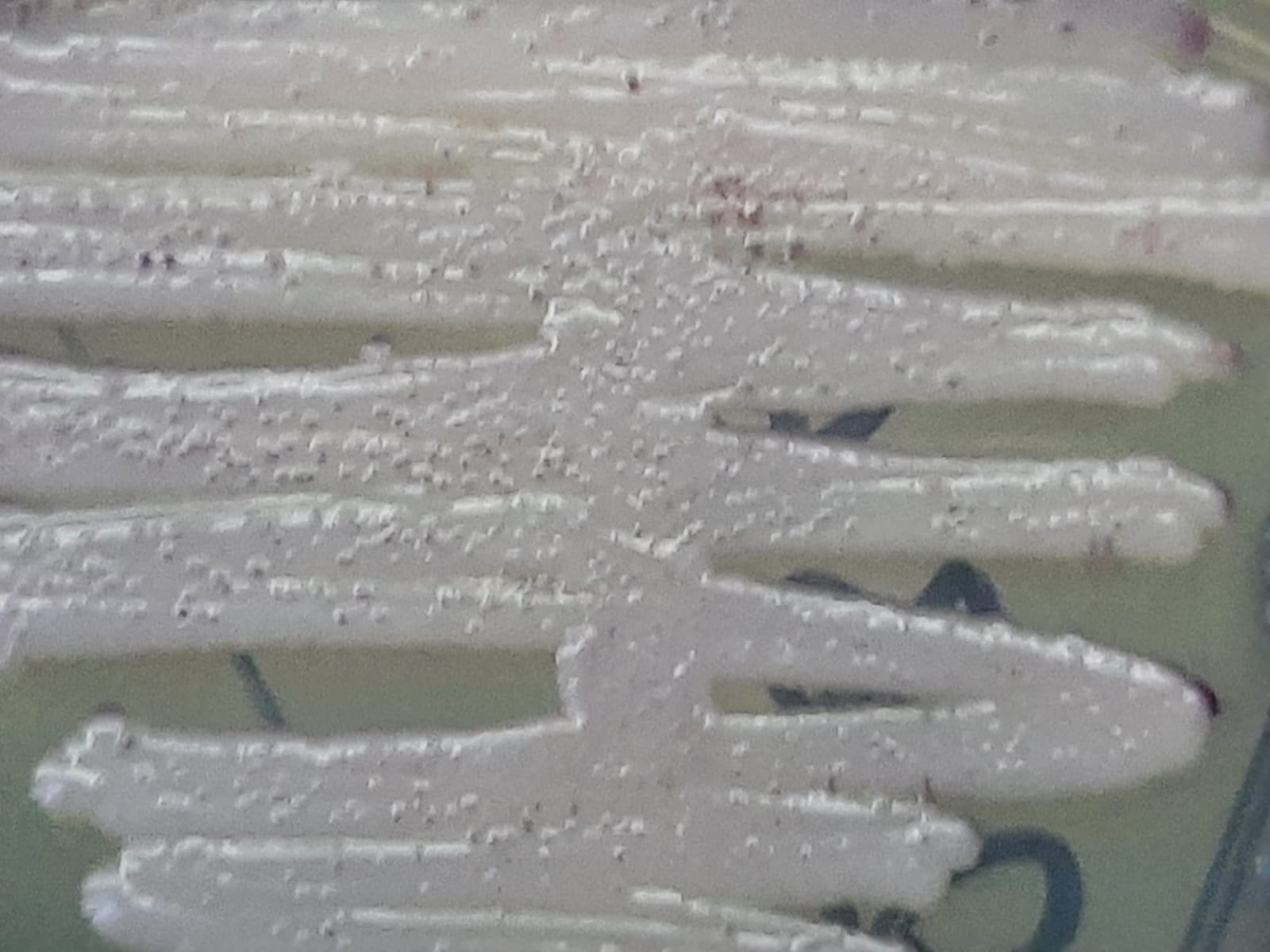
Nakaseomyces glabratus (formerly Candida glabrata) growth on HiCrome Candida Differential Agar

Introduction Nakaseomyces glabratus (formerly Candida glabrata) is a highly adaptable, haploid yeast that is a common commensal of the human gastrointestinal and genitourinary tracts. It is the second or third most common cause of candidiasis worldwide and is notable for its high level of intrinsic and acquired …

Read more

Raoultella ornithinolytica: Introduction, Morphology, Pathogenicity, Lab Diagnosis, Treatment, Prevention, and Keynotes

Routella ornithinolytica lactose fermenting colony on MacConkey agar

Introduction Raoultella ornithinolytica is a Gram-negative, encapsulated, non-motile, rod-shaped bacterium belonging to the family Enterobacteriaceae. Originally classified under the genus Klebsiella, it has been reclassified due to its distinct biochemical properties, including the ability to metabolize ornithine. This bacterium is commonly found in water, soil, …

Read more

E. aerogenes: Introduction, Morphology, Pathogenicity, Lab Diagnosis, Treatment, Prevention, and Keynotes

Enterobacter aerogenes colony morphology on CLED agar of urine culture

Introduction Enterobacter aerogenes is a bacterium belonging to the Enterobacteriaceae family, which includes several other important pathogens and opportunistic bacteria. E. aerogenes is a Gram-negative, rod-shaped bacterium that is commonly found in various environments, including soil, water, and the gastrointestinal tracts of humans and animals. …

Read more