K. oxytoca-Introduction, Morphology, Pathogenicity, Lab Diagnosis, Treatment, Prevention, and Keynotes

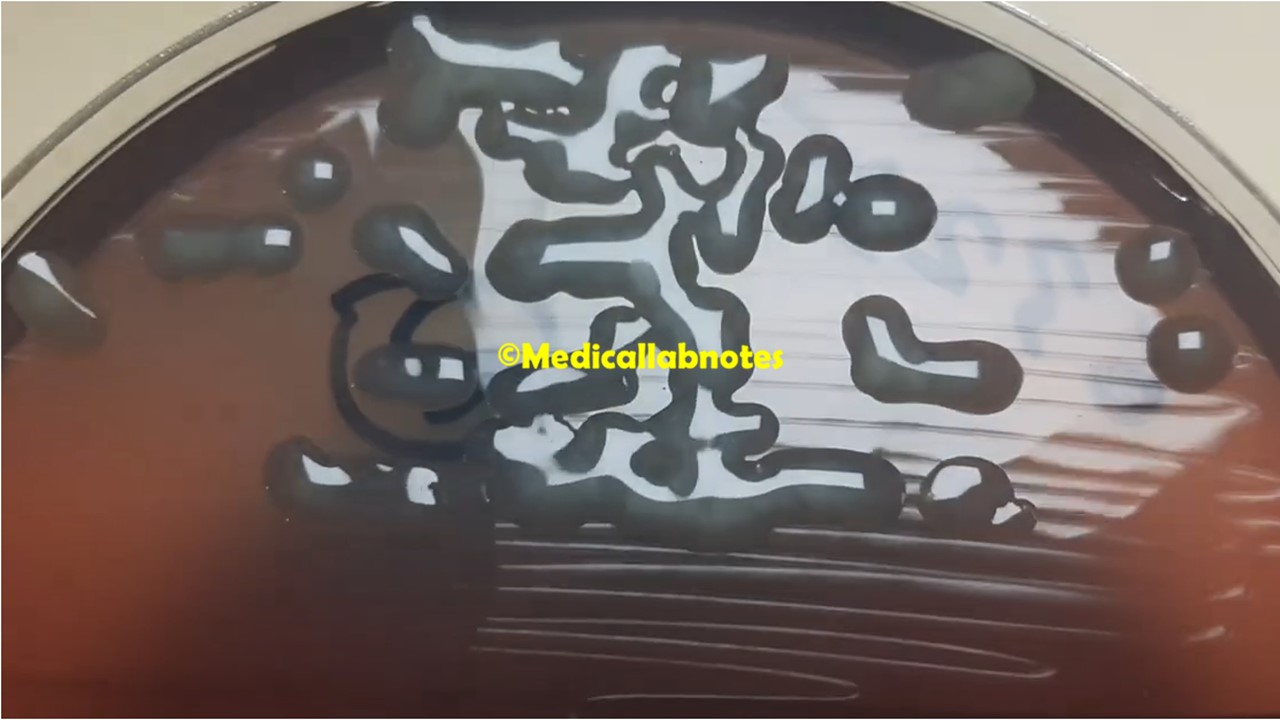
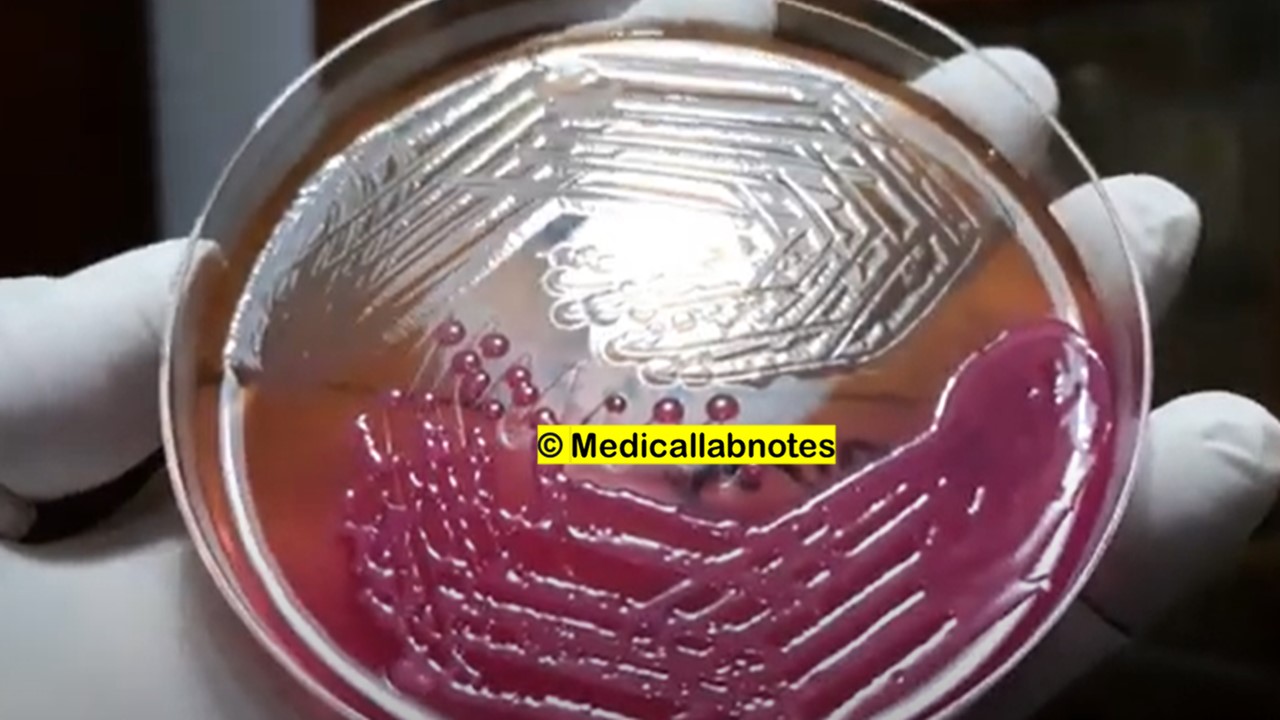
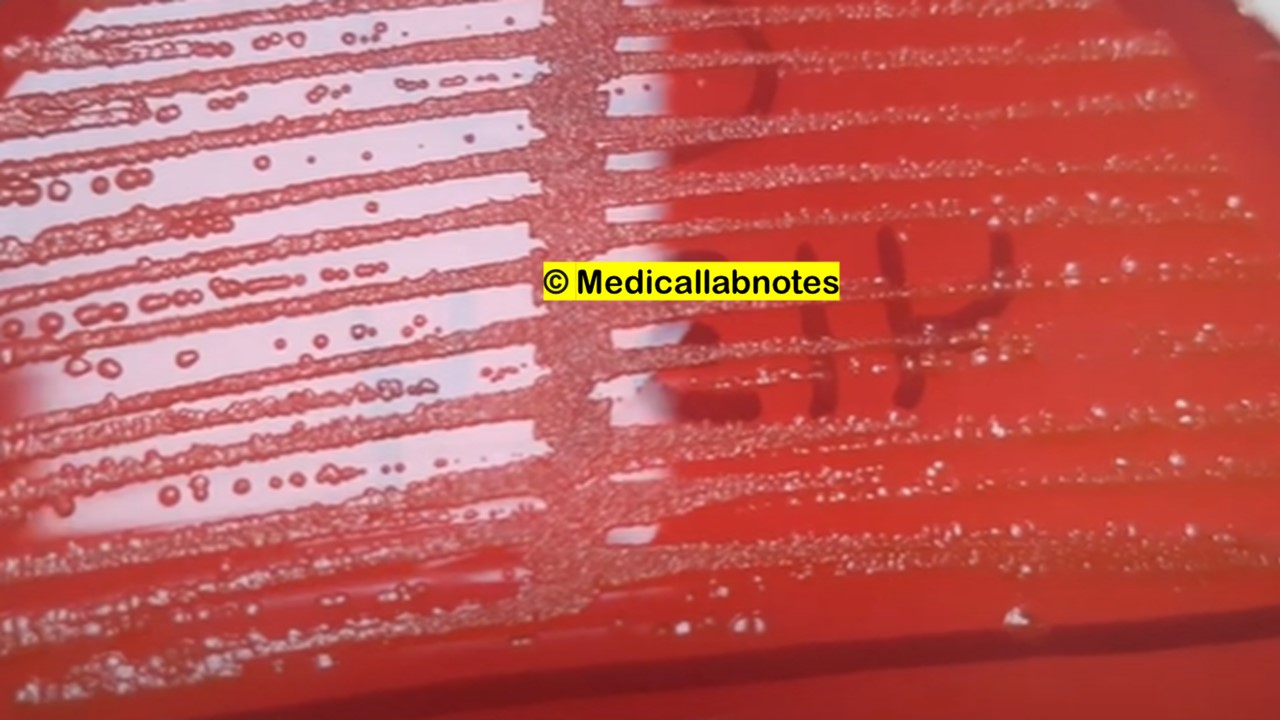
K. oxytoca growth on CLED agar

Introduction Klebsiella oxytoca, often abbreviated as K. oxytoca, is a species of gram-negative, rod-shaped bacterium belonging to the Enterobacteriaceae family. This bacterium is closely related to Klebsiella pneumoniae, another well-known member of the same genus. It is a versatile microorganism that can be found in …
Read more

Mycoplasma pneumoniae: Introduction, Morphology, Pathogenicity, Lab Diagnosis, Treatment, Prevention, and Keynotes

Introduction Mycoplasma pneumoniae is a unique type of bacteria that belongs to the class Mollicutes. What sets it apart from other bacteria is its lack of a cell wall, which is a characteristic feature of most bacterial species. This absence of a cell wall makes …

Read more

E. aerogenes: Introduction, Morphology, Pathogenicity, Lab Diagnosis, Treatment, Prevention, and Keynotes

Enterobacter aerogenes colony morphology on CLED agar of urine culture

Introduction Enterobacter aerogenes is a bacterium belonging to the Enterobacteriaceae family, which includes several other important pathogens and opportunistic bacteria. E. aerogenes is a Gram-negative, rod-shaped bacterium that is commonly found in various environments, including soil, water, and the gastrointestinal tracts of humans and animals. …

Read more

Moraxella catarrhalis: Introduction, Morphology, Pathogenicity, Lab Diagnosis, Treatment, Prevention, and Keynotes

Gram negative cocci in pairs (diplococci) of Moraxella catarrhalis in Gram staining of culture microscopy at a magnification

Introduction Moraxella catarrhalis is a Gram-negative, aerobic bacterium that belongs to the Moraxellaceae family. It is a non-motile, non-spore-forming bacterium, and it is typically found in the upper respiratory tract of humans as a commensal organism. Though generally considered a commensal, M. catarrhalis can also …

Read more

Citrobacter koseri: Introduction, Morphology, Pathogenicity, Lab Diagnosis, Treatment, Prevention, and Keynotes

Mucoid colony of Citrobacter koseri on CLED agar of urine specimen

Introduction Citrobacter koseri, formerly known as Citrobacter diversus, is a gram-negative bacterium belonging to the Enterobacteriaceae family. It is a facultative anaerobe, meaning it can grow both in the presence and absence of oxygen. The species name “koseri” is a tribute to the bacteriologist Leo …

Read more

Haemophilus influenzae: Introduction, Morphology, Pathogenicity, Lab Diagnosis, Treatment, Prevention, and Keynotes

Introduction Haemophilus influenzae is a Gram-negative bacterium that was originally believed to be the causative agent of influenza (the flu). However, it was later discovered that H. influenzae is not related to the viral infection that causes influenza. Instead, this bacterium is known for causing …

Read more

Pseudomonas aeruginosa: Introduction, Morphology, Pathogenicity, Lab Diagnosis, Treatment, Prevention, and Keynotes

Pseudomonas aeruginosa non-lactose fermenting (NLF) colony and mucoid lactose fermenting colony of Klebsiella pneumoniae on MacConkey medium

Introduction Pseudomonas aeruginosa is a Gram-negative bacterium that is widely distributed in nature and is known for its versatility and adaptability. It is an opportunistic pathogen capable of causing infections in humans, particularly in individuals with weakened immune systems or underlying medical conditions. P. aeruginosa …

Read more

Citrobacter freundii: Introduction, Morphology, Pathogenicity, Lab Diagnosis, Treatment, Prevention, and Keynotes

Citrobacter freundii growth on CLED agar of Urine Culture

Introduction Citrobacter freundii is a Gram-negative bacterium belonging to the Enterobacteriaceae family. It is commonly found in the environment, including soil, water, and the intestinal tracts of humans and animals. Citrobacter freundii is an opportunistic pathogen, meaning it can cause infections in individuals with weakened …

Read more