Staphylococcus sciuri- Introduction, Morphology, Pathogenicity, Lab Diagnosis, Treatment, Prevention, and Keynotes

Staphylococcus sciuri Gram positive cocci in singles, pairs, chains and clusters in Gram stain of culture microscopic examination

Introduction Staphylococcus sciuri belongs to the coagulase-negative staphylococci (CoNS) group. Since it thrives in diverse environments, scientists often isolate it from animals, soil, and water. Moreover, it colonizes the skin and mucosal surfaces of humans and animals. Although it usually remains harmless, it can cause …

Read more

Top 10 Bacterial Pathogens: List with short Descriptions

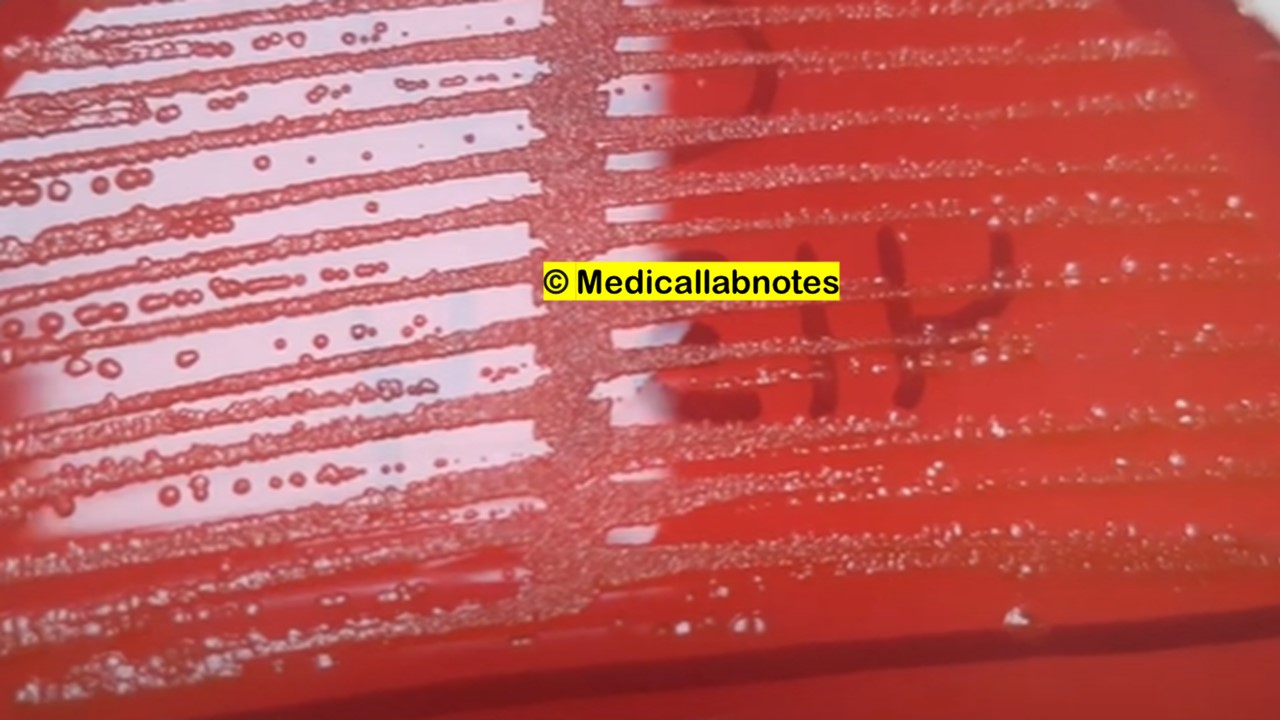
Beta-haemolytic colonies of Staphylococcus aureus on 5% sheep blood agar

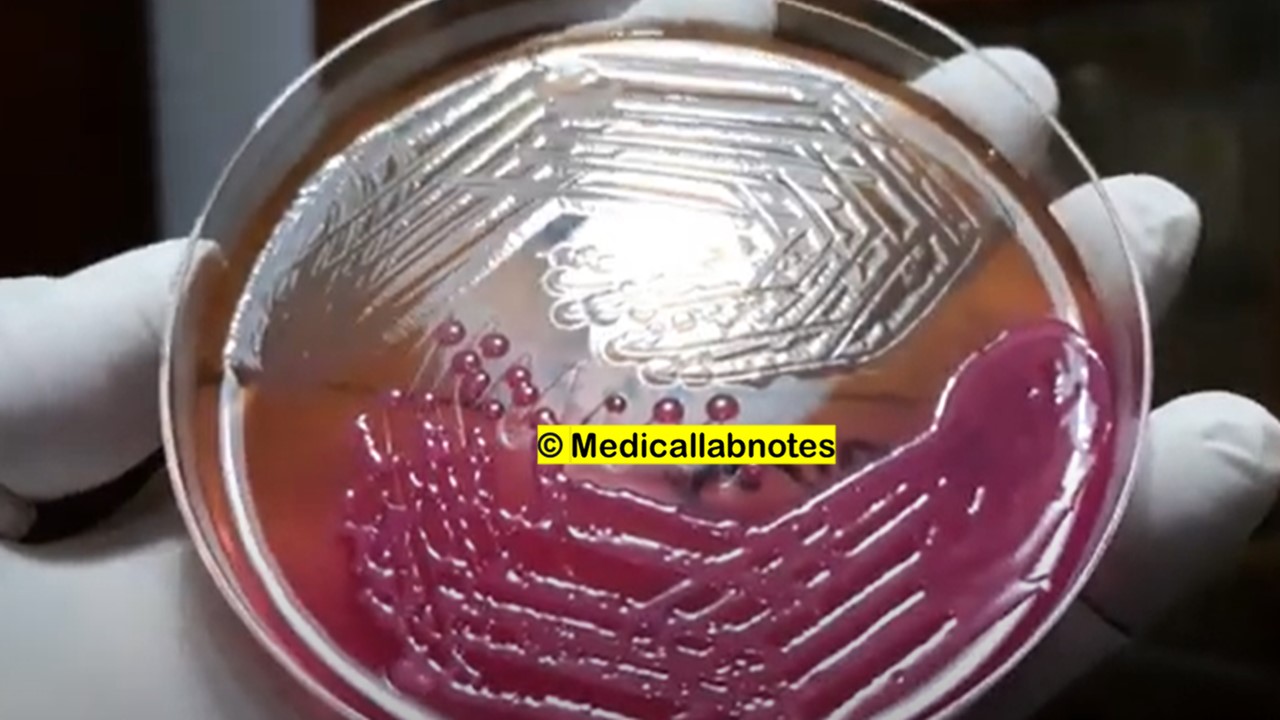
List of Top 10 Bacterial Pathogens A list of the Top 10 Bacterial Pathogens is summarized as follows- Top 10 Bacterial Pathogens Short Descriptions Footages Escherichia coli lactose fermenting colony on CLED agar of urine culture Beta-haemolytic colonies of Staphylococcus aureus on 5% sheep blood …

Read more

Pantoea agglomerans-Introduction, Morphology, Pathogenicity, Lab Diagnosis, Treatment, Prevention, and Keynote

Pantoea agglomerans in Gram staining of culture

Introduction Pantoea agglomerans, a Gram-negative, facultative anaerobic bacterium, belongs to the Enterobacteriaceae family. Moreover, it is commonly found in soil, plants, and water. Interestingly, it plays a dual role as a plant symbiont and an opportunistic human pathogen. Additionally, P. agglomerans colonizes plant tissues and …

Read more

Staphylococcus hominis: Introduction, Morphology, Pathogenicity, Lab Diagnosis, Treatment, Prevention, and Keynotes

Staphylococcus hominis colony morphology on blood agar

Introduction Staphylococcus hominis is a type of bacteria commonly found on human skin. It is part of the natural skin flora, living harmlessly in most cases. However, it can cause infections, especially in people with weakened immune systems or with implanted medical devices. These infections …

Read more

K. oxytoca-Introduction, Morphology, Pathogenicity, Lab Diagnosis, Treatment, Prevention, and Keynotes

K. oxytoca growth on CLED agar

Introduction Klebsiella oxytoca, often abbreviated as K. oxytoca, is a species of gram-negative, rod-shaped bacterium belonging to the Enterobacteriaceae family. This bacterium is closely related to Klebsiella pneumoniae, another well-known member of the same genus. It is a versatile microorganism that can be found in …

Read more

Candida tropicalis: Introduction, Morphology, Pathogenicity, Lab Diagnosis, Treatment, Prevention, and Keynotes

Various Candida species grew on Candida CHROMAgar -Candida albicans (green), Candida tropicalis (cream-colored to light pink colonies), Candida glabrata (purple to lavender-color), Candida krusei(dark blue to mauve colonies), and Candida parapsilosis (cream-colored) as shown in the figure.

Introduction Candida tropicalis is a species of yeast, belonging to the Candida genus, commonly found in the environment and on the human body as part of the normal microbial flora. Similar to other Candida species, it can exist as a commensal organism, coexisting harmlessly with …

Read more

Pseudomonas aeruginosa: Introduction, Morphology, Pathogenicity, Lab Diagnosis, Treatment, Prevention, and Keynotes

Pseudomonas aeruginosa non-lactose fermenting (NLF) colony and mucoid lactose fermenting colony of Klebsiella pneumoniae on MacConkey medium

Introduction Pseudomonas aeruginosa is a Gram-negative bacterium that is widely distributed in nature and is known for its versatility and adaptability. It is an opportunistic pathogen capable of causing infections in humans, particularly in individuals with weakened immune systems or underlying medical conditions. P. aeruginosa …

Read more

Citrobacter freundii: Introduction, Morphology, Pathogenicity, Lab Diagnosis, Treatment, Prevention, and Keynotes

Citrobacter freundii growth on CLED agar of Urine Culture

Introduction Citrobacter freundii is a Gram-negative bacterium belonging to the Enterobacteriaceae family. It is commonly found in the environment, including soil, water, and the intestinal tracts of humans and animals. Citrobacter freundii is an opportunistic pathogen, meaning it can cause infections in individuals with weakened …

Read more