Multiplex Real-Time PCR in Infectious Disease Diagnostics: A New Era of Rapid and Comprehensive Detection

The increasing burden of infectious diseases demands diagnostic solutions that are not only rapid but also highly sensitive and comprehensive. Conventional diagnostic methods often fall short due to time delays and limited pathogen coverage. In this context, multiplex real-time PCR technologies are revolutionizing infectious disease …

Read more

Multiplex PCR assay-Directly on Respiratory samples:Introduction, Principle, Clinical Significance, and Keynotes

Introduction Respiratory tract infections are caused by a wide range of pathogens, including viruses, bacteria, and fungi. Conventional diagnostic methods such as culture, microscopy, and antigen detection are time-consuming and often lack sensitivity. Multiplex polymerase chain reaction (PCR) assays, applied directly to respiratory samples (sputum, …

Read more

Pantoea agglomerans-Introduction, Morphology, Pathogenicity, Lab Diagnosis, Treatment, Prevention, and Keynote

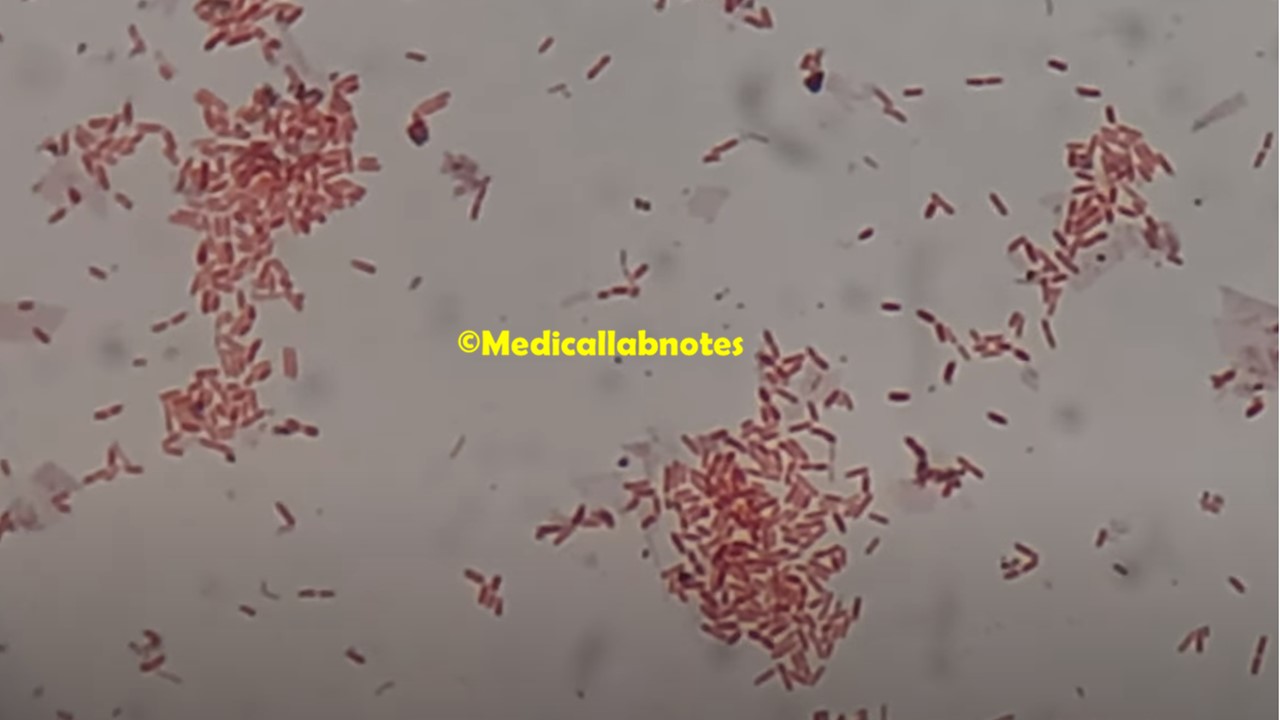
Pantoea agglomerans in Gram staining of culture

Introduction Pantoea agglomerans, a Gram-negative, facultative anaerobic bacterium, belongs to the Enterobacteriaceae family. Moreover, it is commonly found in soil, plants, and water. Interestingly, it plays a dual role as a plant symbiont and an opportunistic human pathogen. Additionally, P. agglomerans colonizes plant tissues and …

Read more

PPLO Agar- Introduction, Composition, Principle, Preparation Requirements, Test Procedure, Result -Interpretation, Uses, and Keynotes

PPLO Agar- Introduction, Composition, Principle, Preparation Requirements, Test Procedure, Result -Interpretation, Uses, and Keynotes

Introduction PPLO (Pleuropneumonia-Like Organisms) Agar is a specialized growth medium used primarily for the cultivation of Mycoplasma. Mycoplasma species are unique prokaryotes that lack a cell wall and, therefore, have specific nutritional requirements that are provided by the PPLO agar. Components of PPLO Agar: Characteristics …

Read more

Respiratory Tract Infections-Introduction, Types, Signs and Symptoms, Common Pathogens, Laboratory Diagnosis, Treatment, Prevention and Control, and Keynotes

Respiratory Tract Infections-Introduction, Types, Signs and Symptoms, Common Pathogens, Laboratory Diagnosis, Treatment, Prevention and Control, and Keynotes

Introduction Respiratory tract infections (RTIs) are a group of illnesses that affect the respiratory system, which includes the organs and structures involved in breathing. These infections can range from mild to severe and may involve various parts of the respiratory tract, including the upper and …

Read more

Thorat Swab Culture and Sensitivity: Introduction, Report, Clinical Significance, Common Pathogens, and Keynotes

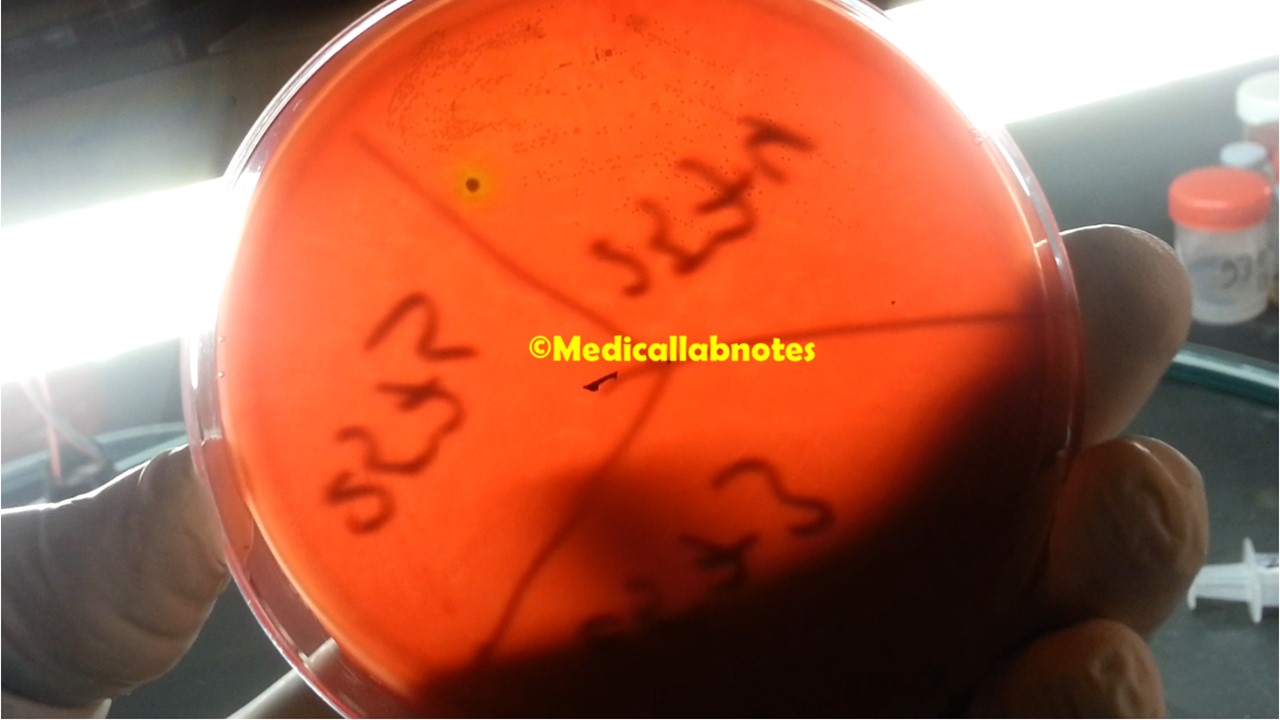
Pin point beta-haemolytic colony of Streptococcus pyogenes (group A streptococci) on blood agar of throat swab culture

Introduction of Thorat Swab Culture and Sensitivity Thorat swab culture and sensitivity is a medical diagnostic procedure used to identify the causative agents of infections in the throat and determine their sensitivity to various antibiotics. It is commonly performed when a patient presents with symptoms …

Read more

Achromobacter xylosoxidans: Introduction, Morphology, Pathogenicity, Lab Diagnosis, Treatment, Prevention, and Keynotes

Gram negative rods (GNRs) or Gram negative bacilli (GNBs)of Achromobacter xylosoxidans in Gram staining of culture microscopy

Introduction Achromobacter xylosoxidans is a gram-negative, non-fermenting bacterium that belongs to the family Alcaligenaceae. It is an aerobic, rod-shaped bacterium known for its versatile metabolic capabilities and its widespread distribution in various environments, including soil, water, and hospital settings. Originally classified as Alcaligenes xylosoxidans, the …

Read more

Sputum Culture and Sensitivity: Introduction, Report, Clinical Significance, Common Pathogens, and Keynotes

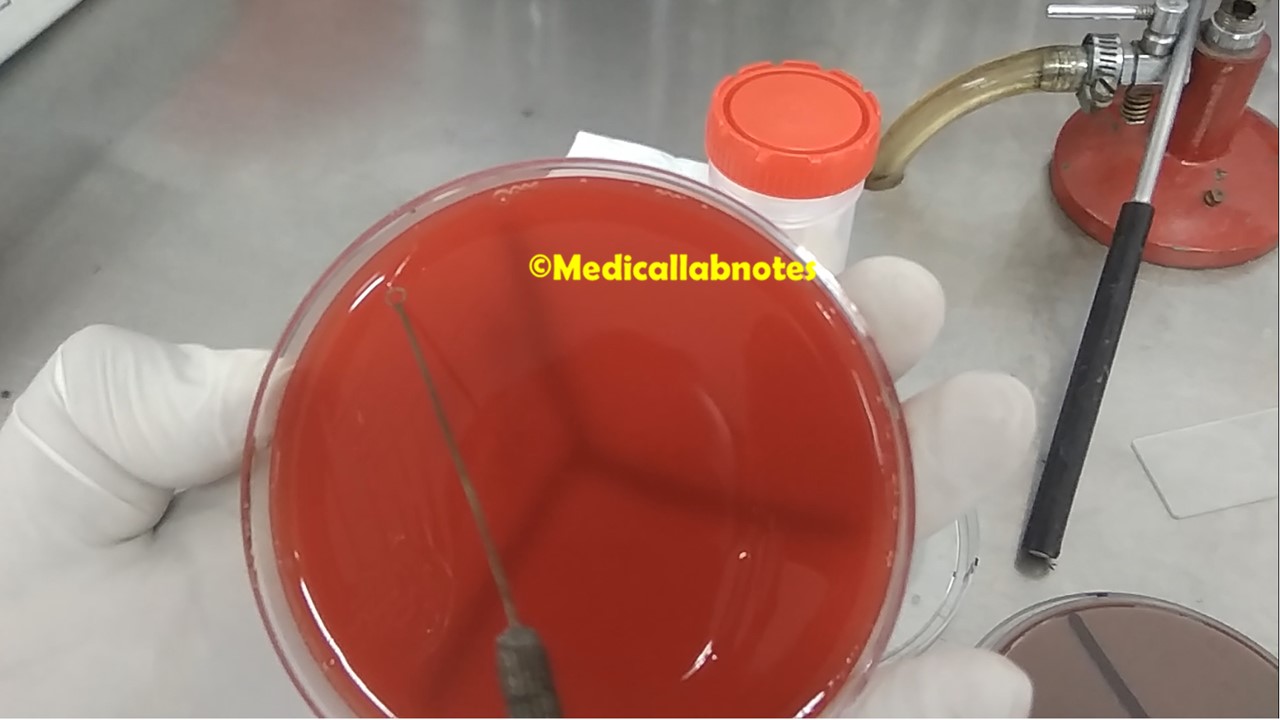
A step of sample inoculation on blood agar for Sputum Culture and Sensitivity

Introduction Sputum culture and sensitivity is a medical laboratory test used to identify and determine the susceptibility of bacteria or other microorganisms present in a patient’s sputum, a mixture of saliva and mucus coughed up from the respiratory tract. This diagnostic test is crucial in …

Read more