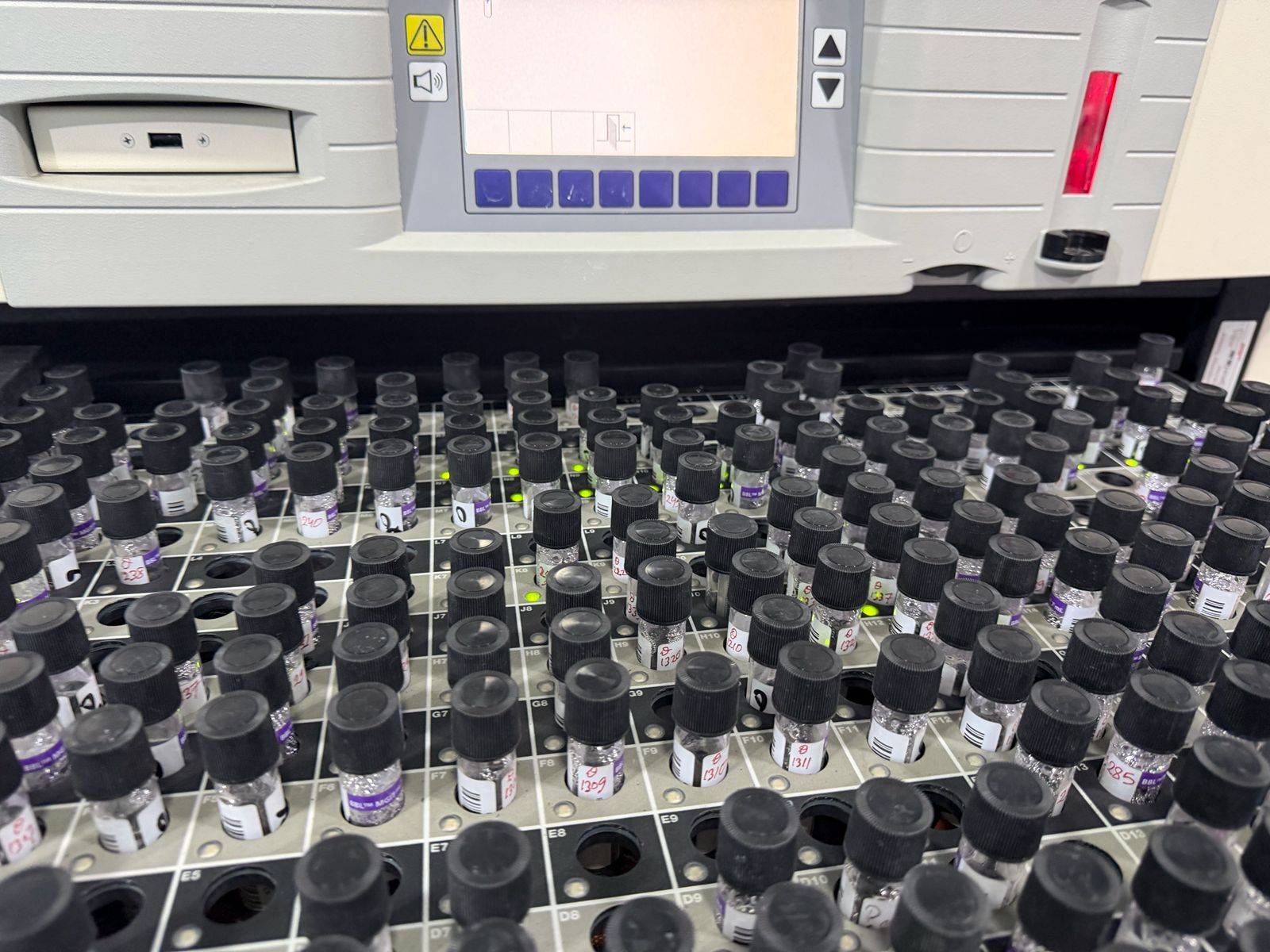
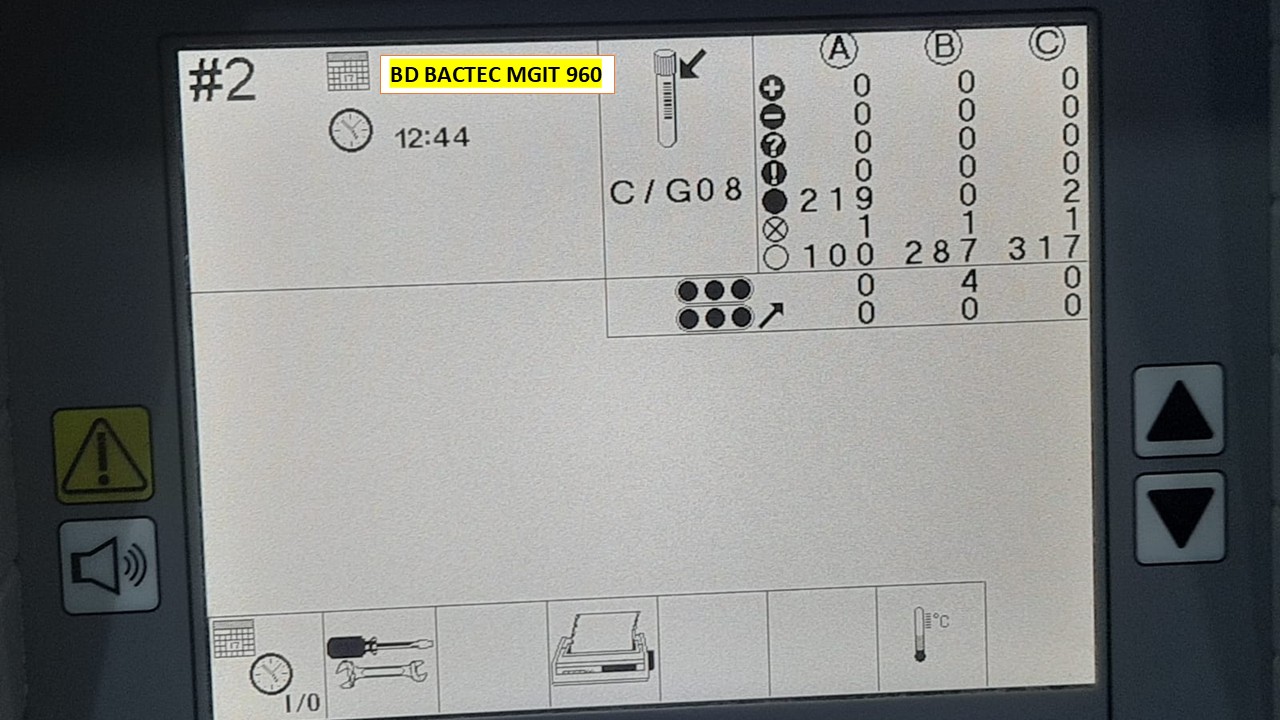
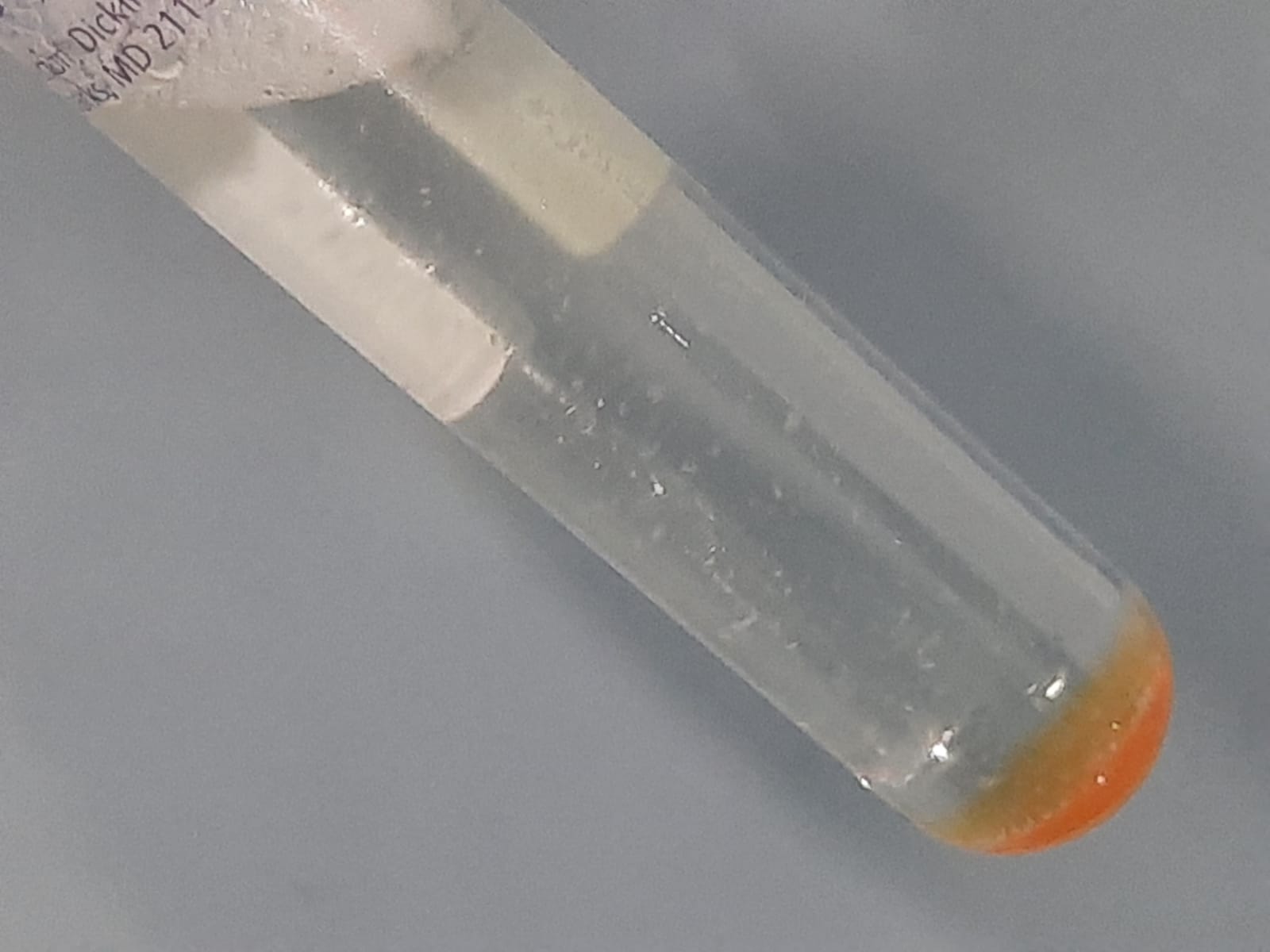
MB-Redox Medium-Introduction, Principle, Clinical Significance, Advantage, Disadvantage, and Keynotes

Introduction MB-Redox Medium (Mycobacteria-Redox Medium) is a liquid culture medium designed for the rapid growth and detection of Mycobacteria, particularly Mycobacterium tuberculosis. It incorporates redox indicators that change color based on microbial metabolic activity, providing a visual cue for bacterial growth. It is increasingly used …

Read more

Grocott’s Methenamine Silver (GMS) Staining of Mycobacteria:Introduction, Principle, Clinical Significance, Advantage, Disadvantage, and Keynotes

Introduction Grocott’s Methenamine Silver (GMS) stain is a histochemical staining method primarily used to detect fungi in tissue sections. However, it can also stain certain acid-fast organisms like Mycobacteria, especially in tissue biopsies where standard Ziehl-Neelsen or fluorescent stains may miss them. The technique enhances …

Read more

Carbol-Nachtblau Staining of Mycobacteria-Introduction, Principle, Clinical Significance, Advantage, Disadvantage, and Keynotes

Introduction Carbol-Nachtblau (Midnight Blue) staining is a modified acid-fast staining technique used for the visualization of Mycobacteria, particularly Mycobacterium tuberculosis. This method replaces the traditional counterstain (like methylene blue) with Nachtblau, producing a vivid contrast between blue background cells and bright red acid-fast bacilli (AFB), …

Read more

Immunofluorescent Detection of Mycobacteria Using Polyclonal Anti-BCG Antibody Staining: Introduction, Principle, Clinical Significance, Advantage, Disadvantage, and Keynotes

Introduction Immunofluorescent staining with polyclonal anti-BCG antibodies is a rapid and specific technique used to detect Mycobacterium species, particularly in clinical and research settings. These antibodies recognize antigenic components of Mycobacterium bovis BCG strain and cross-react with members of the M. tuberculosis complex. The method …

Read more

Mycobacterium tuberculosis MCQs Quiz-A Simple Set of Questionnaire for Examination

Introduction Below is a set of 15 multiple‐choice questions (MCQs) on Mycobacterium tuberculosis that cover key aspects—from microbiology and diagnosis to treatment and prevention. Each question is followed by four options, with the correct answer indicated afterward. You can use these questions for self‐assessment, classroom …

Read more

Top 10 Bacterial Pathogens: List with short Descriptions

Beta-haemolytic colonies of Staphylococcus aureus on 5% sheep blood agar

List of Top 10 Bacterial Pathogens A list of the Top 10 Bacterial Pathogens is summarized as follows- Top 10 Bacterial Pathogens Short Descriptions Footages Escherichia coli lactose fermenting colony on CLED agar of urine culture Beta-haemolytic colonies of Staphylococcus aureus on 5% sheep blood …

Read more

Rifampicin Resistant Indeterminate- Introduction, Result, Cause, Implication, and Summary

Rifampicin Resistant Indeterminate result of Mycobacterium tuberculosis

Introduction “Rifampicin resistant indeterminate” refers to an unclear or inconclusive result in testing for resistance to the antibiotic rifampicin, often used in the treatment of tuberculosis (TB). Here’s a breakdown of the term: Rifampicin Resistant Result and Cause Indeterminate Result: This means the test did …

Read more

Extra-Pulmonary Tuberculosis-Introduction, Types, and keynotes

Acid fast bacilli of Mycobacterium tuberculosis in urine sediment

Introduction Extra-pulmonary tuberculosis (EPTB) affects areas outside the lungs. It impacts the lymph nodes, pleura, and bones. Patients often experience varied symptoms, depending on the affected site. Lymph node TB causes swelling, while bone TB results in pain. Pleural TB leads to chest pain and …

Read more